
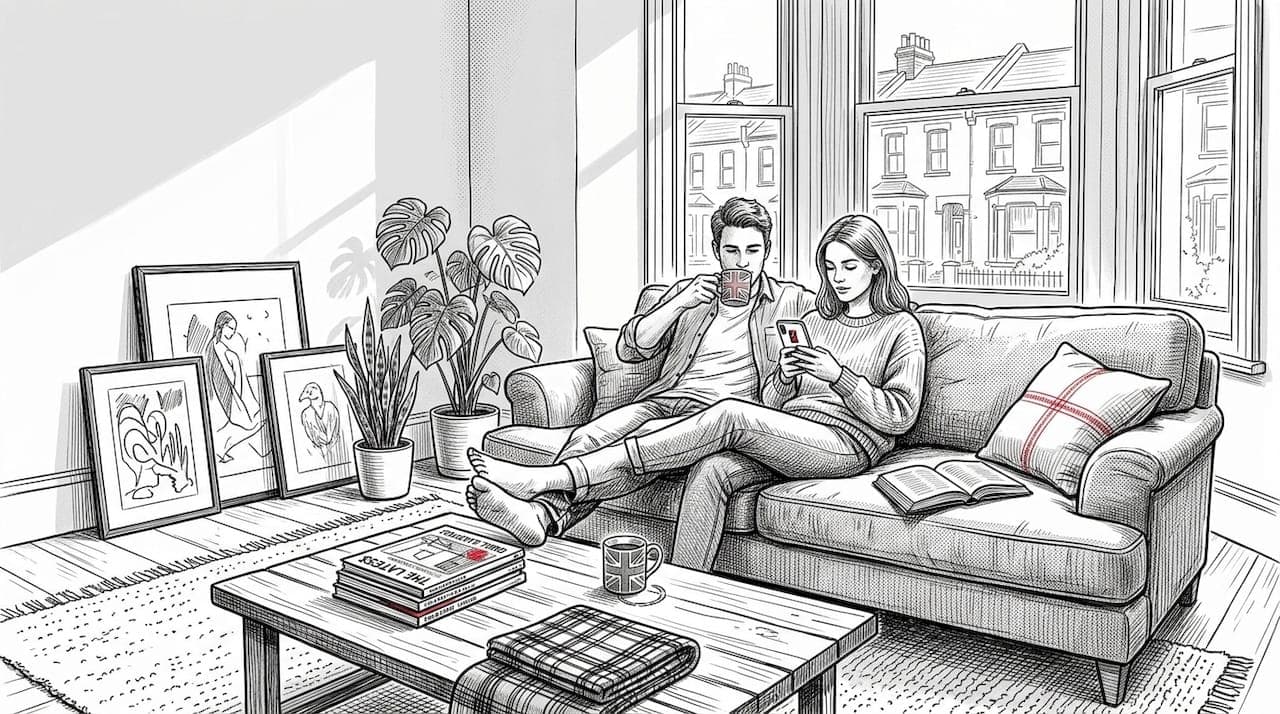
Most people assume that a truly comfortable home requires a full renovation, new furniture, or a significant budget. That belief quietly stops thousands of UK homeowners and renters from making the changes that would genuinely improve how they feel at home every single day. The truth is far more encouraging. Stylish décor choices consistently enhance perceived luxury, emotional wellbeing, and comfort, without touching a single wall or spending thousands. This guide shows you exactly how to do it.
Table of Contents
- Understanding the impact of style in home décor
- 2026 décor trends: wellness, lived-in styles, and feel-first aesthetics
- Renter-friendly strategies: personalisation without risk
- Balancing style and function: practical frameworks for UK homes
- The psychology of cosiness: how style shapes comfort and mood
- Our take: comfort, practicality and style as the new status symbol
- Explore stylish, practical décor solutions for your home
- Frequently asked questions
Key Takeaways
| Point | Details |
|---|---|
| Style enhances wellbeing | Investing in stylish décor can significantly increase comfort and emotional satisfaction at home. |
| Trends favour wellness | 2026 UK home décor trends focus on natural materials and lived-in, feel-first spaces. |
| Renter solutions are easy | Removable décor and thoughtful accessories allow UK renters to personalise without risk. |
| Balance style and function | Practical frameworks such as layered lighting and durable materials ensure homes look good but work well. |
| Cosy spaces win | Empirical studies show plants, fire ambiance, and soft lighting are key to creating inviting, restorative rooms. |
Understanding the impact of style in home décor
Style is often treated as a bonus. Something you add once the practical decisions are settled. But the evidence points in a different direction. How a room looks genuinely shapes how it feels, and how it feels shapes how you live in it.
When a space feels cohesive, intentional, and personal, your brain registers it as safe and restorative. That is not just an opinion. Stylish, personalised spaces consistently enhance perceived luxury and emotional wellbeing for UK homeowners and renters. The gap between a bare rental and a thoughtfully styled one is not measured in pounds spent, it is measured in how much you actually want to be there.
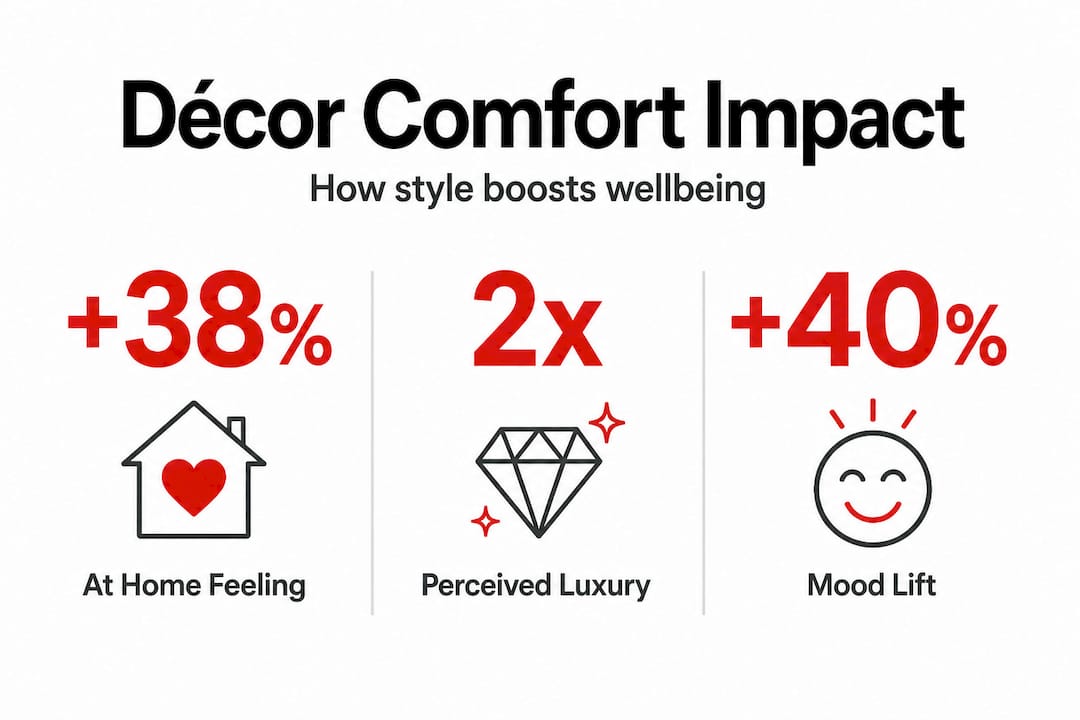
UK renters make this case clearly. On average, renters spend £700 on décor on temporary stylistic changes including removable wallpaper and accessories, and those changes push their "at home" feeling from just 22% up to 60%. That is not a small lift. That is the difference between tolerating a space and genuinely inhabiting it.
"A home that reflects your personality does not need to be expensive. It needs to be intentional."
The psychological benefits of stylish décor are well-documented and practical. Key effects include:
- Reduced stress and anxiety through visual order and personal familiarity
- Increased sense of ownership and pride, even in rented properties
- Improved focus and creativity, particularly in home working environments
- Greater motivation to maintain the space, because it feels worth caring for
If you want to explore more on this, our practical wellbeing tips cover the overlap between home environment and mental health in more depth. For a broader look at where stylistic changes add the most value, our guide on how to upgrade décor for comfort is a good next step.
| Factor | Before styling | After styling |
|---|---|---|
| "At home" feeling (renters) | 22% | 60% |
| Perceived luxury | Low | High |
| Emotional wellbeing score | Moderate | Significantly improved |
| Motivation to maintain space | Low | High |
The numbers are a useful anchor, but the lived experience is what matters most. When you walk into a room that feels right, you exhale. Style does that, not square footage.
2026 décor trends: wellness, lived-in styles, and feel-first aesthetics
The design world is having a notable shift in 2026. Minimalism, that long-dominant aesthetic of empty surfaces and neutral everything, is giving way to something warmer, more personal, and considerably more comfortable to live in.
2026 interior design trends are firmly focused on wellness-driven, lived-in styles. Natural materials like linen, rattan, reclaimed wood, and unglazed ceramics are replacing synthetic finishes. Vintage and antique furniture pieces are being championed over brand-new flat-pack alternatives. Earthy tones in warm terracotta, moss green, and ochre are replacing cold greys and stark whites. The overarching philosophy is prioritising how a room feels over how it photographs.
This is genuinely good news for anyone working with a real budget and a real life. A curated collection of meaningful objects beats a clinical showroom every time, and it is far easier to achieve.
| Old aesthetic (2020s minimalism) | 2026 wellness-first style |
|---|---|
| Stark white and cool grey | Earthy tones and warm neutrals |
| New, uniform furniture | Vintage, eclectic, and secondhand pieces |
| Synthetic materials | Natural: linen, rattan, reclaimed wood |
| Empty surfaces | Curated collections and layered textures |
| Looks-first design | Feel-first design |
Key elements driving the 2026 look include:
- Textured layering: Combining different natural materials in one room for depth without clutter
- Indoor plants and botanicals: Used as deliberate design elements rather than afterthoughts
- Warm artificial lighting: Amber and warm-white bulbs replacing cool LED strips
- Handmade and artisan pieces: Pottery, woven baskets, and hand-printed textiles
- Personal collections on display: Books, travel objects, and family pieces treated as décor
For a full breakdown of what is shaping UK interiors this year, our 2026 décor trends guide covers each category in detail. If you are specifically interested in how modern style translates into daily function, modern style features offers practical direction alongside the aesthetic.
Style note: The biggest mistake people make with current trends is wholesale adoption. Pick two or three elements that genuinely appeal to you. A rattan side table, a handful of earthy cushions, and a warm lamp can shift the entire feel of a room. You do not need to redecorate from scratch.
Renter-friendly strategies: personalisation without risk
Renting in the UK comes with real constraints. Most tenancy agreements prohibit painting walls, drilling beyond a limited number of fixings, or making any structural changes. That leaves a lot of renters feeling stuck, living in a space that looks nothing like them and doing very little about it.
The good news is that the options available now are genuinely impressive. Renter-friendly styling methods include removable wallpaper, vinyl wraps, secondhand furniture, wall art using adhesive fixings, and soft furnishings, all focused on non-permanent changes that build personality without risking your deposit.
And these approaches work. As mentioned earlier, renters who invest around £700 in temporary changes see their sense of belonging jump dramatically. That investment does not need to be spent all at once.
Here is a practical order of priority for renters looking to style their space:
- Soft furnishings first. Cushions, throws, rugs, and curtains are the fastest way to warm a space and the easiest to change. A quality rug can completely transform a bare laminate floor.
- Wall art on adhesive strips. Gallery walls using damage-free strips now support significant weight. A thoughtfully arranged wall of prints or photographs changes the entire character of a room.
- Removable wallpaper or peel-and-stick tiles. These have improved dramatically in quality and design variety. Feature walls in a rental are now entirely possible.
- Lighting upgrades. Swap harsh overhead bulbs for warm alternatives, or add plug-in lamps and LED strip lights. You can take everything with you when you leave.
- Secondhand and vintage furniture. A well-chosen vintage chair or a painted sideboard instantly adds character that flat-pack furniture never quite manages.
- Vinyl wraps for surfaces. Kitchen cupboard fronts and even bathroom tiles can be covered with peel-off vinyl wraps, dramatically updating the room without touching the original surface.
Pro Tip: Before committing to any colour scheme, buy a few removable wallpaper samples or large fabric swatches and live with them for a week. Natural and artificial light change colours significantly throughout the day, and what works in a shop can look very different in your specific room.
For more detailed ideas on making a real impact without structural changes, our practical décor ideas article is packed with specific, budget-conscious approaches. If you want a broader framework for the overall styling process, the comfort styling guide walks through each room systematically.
Balancing style and function: practical frameworks for UK homes
A beautifully styled space that does not work for daily life is just an expensive inconvenience. The best home environments look good and genuinely serve the people living in them. Getting that balance right takes a little structure.
Style and function work best together through layered lighting targeting 200 to 300 lux in high-use zones, durable materials like quartz worktops, multifunctional furniture, and practical styling choices that prioritise the spaces you actually use most.
"Design is not just what it looks like and feels like. Design is how it works." — often attributed to Steve Jobs, but it applies equally well to the kitchen table you use every morning.
Key practical frameworks to apply in any UK home:
- The 70/30 colour rule. Use your chosen palette for 70% of the room (walls, large furniture, flooring) and reserve 30% for accent tones through cushions, artwork, and accessories. This creates coherence without rigidity.
- Layered lighting. Combine ambient (overhead), task (desk or kitchen), and accent lighting (lamps, LED strips). This lets you adjust the mood of a room without changing a single piece of furniture.
- Multifunctional furniture. Ottoman storage, extending dining tables, and sofa beds serve multiple functions without doubling the floor space required.
- Durable materials in high-traffic areas. Invest in quality where wear will show. A cheap rug in a busy hallway looks tired within a year. A good one lasts a decade and improves with age.
- Asymmetrical arrangements. Symmetry feels formal and slightly stiff. Slightly offset furniture groupings, uneven numbers of objects on shelves, and varied heights feel natural and inviting.
Pro Tip: When styling shelves, use the rule of odd numbers. Groups of three or five objects with varied heights, textures, and colours look far more considered and interesting than evenly spaced pairs.
Our guide on practical living décor goes deeper into room-by-room frameworks, and if you are thinking about how your lighting choices affect daily mood, lighting for mood is worth reading alongside this section.
The psychology of cosiness: how style shapes comfort and mood
Beyond aesthetics and function, there is a deeper layer to what good styling achieves. It genuinely changes how you feel. Not in an abstract lifestyle-magazine sense, but in measurable, empirical terms.
Research published in 2025 confirms that greenery in rooms increases perceived restorativeness, fascination, and positive affect. Importantly, potted plants were preferred over integrated greenery for coherence, meaning a collection of well-placed houseplants outperforms a built-in living wall in terms of how comfortable people actually feel. This is accessible, affordable, and immediately actionable for almost any home.
The fireplace and living room data is equally telling. 83% of people identify the living room as the cosiest space in the home, and 59% specifically prefer fire ambiance over central heating for mood and comfort. This points to something important. Warmth is not just thermal. It is visual and atmospheric. A candle cluster, a warm lamp, or even a well-placed fireplace print can evoke the same emotional response as an actual fire.
The elements that consistently create psychological cosiness include:
- Warm, layered lighting at lower intensities in the evening, signalling rest and relaxation
- Natural textures like wool, cotton, and wood, which trigger tactile comfort associations
- Personal objects and memories on display, creating a sense of belonging and identity
- Plants and organic shapes, which reduce mental fatigue and increase restorative feelings
- Enclosed nooks and reading corners, which create a sense of shelter and calm within a larger space
"Cosiness is not a design trend. It is a deeply human need for shelter, warmth, and belonging. Good styling simply makes space for that need."
If the hygge-influenced approach to cosiness appeals to you, our cosy UK décor guide explores this philosophy in detail, with practical examples rooted in UK homes and climate.
Our take: comfort, practicality and style as the new status symbol
There is a broader shift worth naming directly. For years, the aspirational home in the UK was defined by expense and display. Open-plan everything, expensive marble, statement pieces chosen to impress visitors rather than support the people living there.
That era is ending. What we see emerging, reflected in the data, the trends, and frankly in the conversations people are having about their homes, is a decisive move toward spaces that serve comfort first and impress second. The style meets function approach is not a compromise. It is the ambition.
We would go further. We think chasing trends is genuinely risky, especially for renters. A completely on-trend room in 2026 looks dated by 2028 and costs money to refresh. The smarter investment is in timeless essentials: quality textiles, considered lighting, a few meaningful objects, and a colour palette you genuinely love rather than one that was trending when you made the decision.
The homes we find most inspiring are not the ones that look like show homes. They are the ones that look lived in, in the best sense. Books slightly out of order, a rug that shows it has been sat on, plants at various stages of growth. These are not flaws. They are evidence that someone actually inhabits the space and enjoys it.
Comfort, practicality, and personal style together represent a more sophisticated form of status than any expensive renovation. And the evidence bears that out.
Explore stylish, practical décor solutions for your home
You have read about the psychology, the trends, and the practical frameworks. Now comes the enjoyable part: actually finding pieces that work for your space and your life.

At IW1T, we have built our home and lifestyle range with exactly this in mind. As a UK-based, family-run business, we stock curated stylish products that blend comfort, function, and genuine aesthetic appeal, from home décor and wellness accessories to practical everyday essentials. Everything is chosen to help you build a space that feels like yours, whether you own your home or rent it. Browse our collection and discover pieces that make a real difference to how your home looks and feels every day.
Frequently asked questions
How much do UK renters typically spend on home décor?
UK renters spend an average of £700 on temporary stylistic changes to personalise their spaces, with those changes boosting their sense of feeling at home from 22% to 60%.
What are the top 2026 home décor trends in the UK?
Natural materials, vintage furniture, earthy tones, and wellness-driven, lived-in styles define UK home décor in 2026, with an emphasis on how a room feels rather than how it looks in photographs.
How can renters personalise their décor without risking deposits?
Removable wallpaper, vinyl wraps, soft furnishings, and secondhand furniture are all renter-friendly ways to style a space with full personality and no permanent changes to the property.
Does greenery actually improve mood and comfort in the home?
Yes. Studies confirm that greenery increases restorativeness, fascination, and positive affect, with potted plants specifically preferred over integrated options for how coherent and comfortable they make a space feel.
What lighting levels balance style and function?
Layered lighting targeting 200 to 300 lux in high-use zones is the recommended benchmark for balancing practical visibility with a comfortable, mood-enhancing atmosphere.