
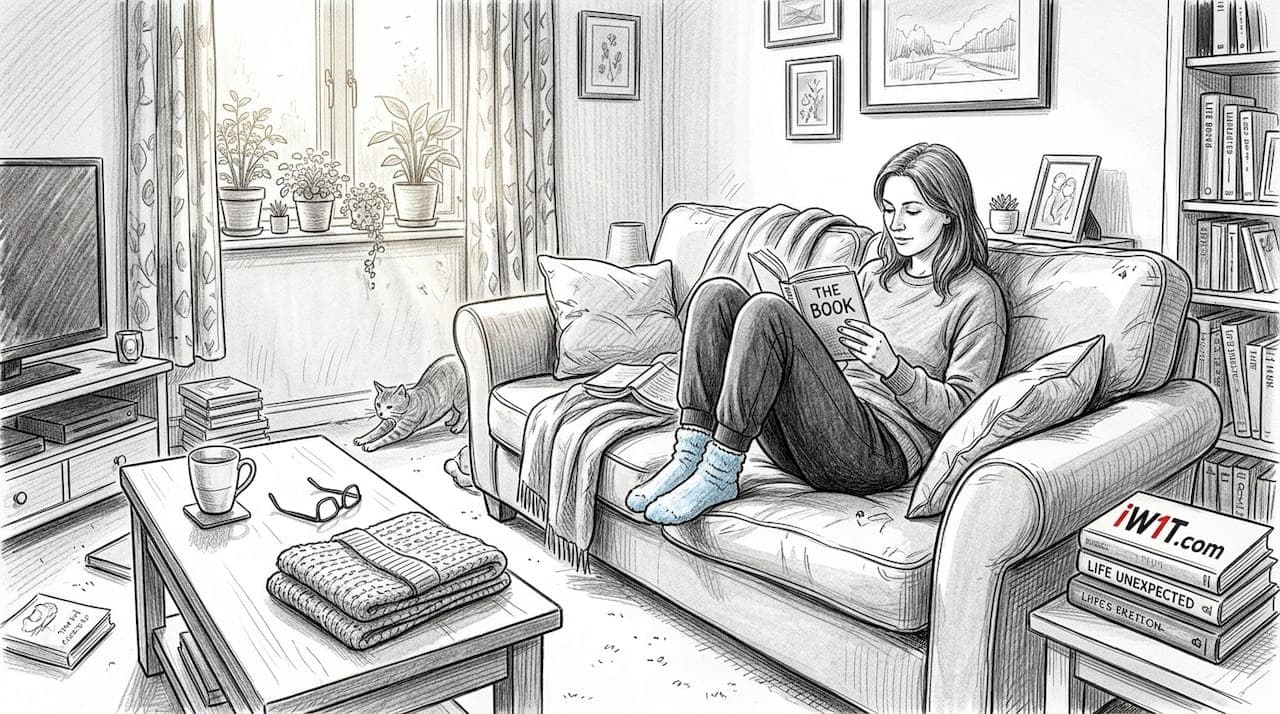
Three quarters of UK adults report struggling with health and wellbeing challenges tied directly to their home environment, yet most of us still treat comfort as an afterthought, something to address once the walls are painted and the sofa looks right. That thinking gets it backwards. Comfort at home is not a luxury or a finishing touch. It is a foundation. Whether you rent a flat in Manchester or own a semi-detached in Surrey, the way your home feels physically and emotionally shapes your mood, your sleep, your health, and your relationships. This guide cuts through the noise and gives you evidence-backed, actionable steps to genuinely improve comfort in your living space.
Table of Contents
- The science behind comfort and home wellbeing
- Practical upgrades: Tips for homeowners and renters
- Cosy design and sensory comfort: Layering textures, lighting and nature
- Addressing comfort for diverse needs: Vulnerable groups, edge cases and energy efficiency
- Why comfort deserves priority over style: Fresh perspectives for UK homes
- Practical products for comfortable, inviting homes
- Frequently asked questions
Key Takeaways
| Point | Details |
|---|---|
| Comfort enhances wellbeing | Prioritising comfort at home directly improves mental health and overall satisfaction. |
| Practical upgrades matter | Affordable insulation, heating, and renter-friendly solutions boost comfort and reduce bills. |
| Cosy design is functional | Layered textures, warm lighting, and biophilic elements promote lasting comfort and healthier living. |
| Address diverse needs | Energy efficiency and accessible tips benefit vulnerable groups and create healthier environments for all. |
| Function over style | For long-term satisfaction, focus first on comfort rather than style or luxury. |
The science behind comfort and home wellbeing
Comfort at home is not just about a nice throw on the sofa. It is a measurable, physical and psychological state that your surroundings either support or undermine every single day. Research into the mechanics of home comfort shows that factors like temperature regulation, lighting quality, air movement, and sensory stimulation all trigger real physiological responses in the body.
One of the most compelling areas of evidence concerns thermal comfort. Thermal upgrades improve health outcomes, with studies showing that home thermal improvements raise indoor temperatures, reduce healthcare costs, and deliver measurably better mental health scores for residents. That is not a small finding. It means that fixing a draughty window or adding proper insulation can have the same category of impact as a medical intervention.
Housing quality also connects directly to mental health. Poor housing conditions are strongly linked to depressive symptoms, particularly among UK women. Damp walls, mould, cramped layouts, and unreliable heating are not just inconveniences. They accumulate into chronic stress, disrupted sleep, and reduced life satisfaction.
| Comfort factor | Impact on wellbeing | Recommended solution |
|---|---|---|
| Thermal warmth | Reduces anxiety, lowers healthcare use | Insulation, draught-proofing |
| Lighting quality | Affects mood and sleep cycles | Warm-toned bulbs, dimmers |
| Air quality | Linked to cognitive function | Ventilation, houseplants |
| Noise levels | Disrupts sleep and concentration | Rugs, heavy curtains |
"The home is not merely a backdrop to life. It is an active participant in how we feel, think, and recover."
Comfort is achieved through several overlapping strategies. Good insulation keeps temperatures stable. Layered textures absorb sound and create a sense of warmth. Thoughtful lighting shifts your nervous system from alert to relaxed. Biophilic design, meaning the intentional inclusion of natural elements like plants, wood, or water features, reduces cortisol and supports recovery from stress. You can explore retail solutions for home wellbeing that address all of these layers in practical, affordable ways.
- Insulation and draught-proofing for thermal stability
- Warm lighting in the 2700 to 3000K colour temperature range
- Natural textures such as wool, cotton, and linen
- Houseplants for air quality and psychological calm
- Noise-dampening elements like rugs and curtains
Pro Tip: Start with your bedroom. It is the room most directly tied to sleep quality, which underpins every other aspect of your health. Even small changes there deliver outsized results.
Practical upgrades: Tips for homeowners and renters
Now that the science is clear, the practical question is what you can actually do about it. The good news is that both homeowners and renters have more options than they often realise.
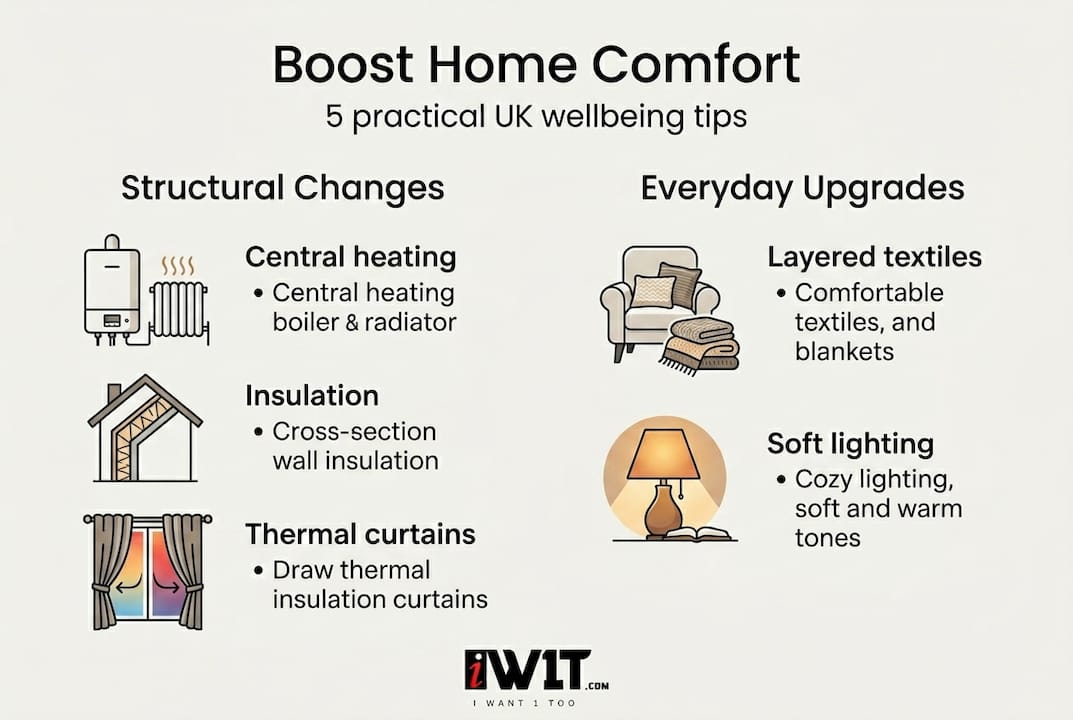
For homeowners, the highest-impact investments are structural. Installing central heating in fuel-poor homes measurably improves both thermal comfort and mental wellbeing, making it one of the most justified home investments available. Cavity wall insulation, loft insulation, and double-glazing all pay back their upfront cost through lower bills and better health outcomes over time.
Renters face real constraints. You cannot knock through walls or replace the boiler. But the range of deposit-safe, reversible upgrades has expanded enormously. Renter-friendly hacks now include peel-and-stick wallpaper, command strips for artwork, tension rods, thermal curtains, and draught snakes that you simply remove when you leave.
| Upgrade type | Best for | Approximate cost | Reversible? |
|---|---|---|---|
| Thermal curtains | Renters and owners | £20 to £80 | Yes |
| Draught excluders | Renters and owners | £5 to £25 | Yes |
| Loft insulation | Homeowners | £300 to £600 | No |
| Smart thermostat | Homeowners | £100 to £250 | Partial |
| Peel-and-stick tiles | Renters | £15 to £50 | Yes |
Comfort and style insights consistently recommend layering practical solutions: begin with insulation and temperature control, add ergonomic furniture to reduce physical strain, then layer in textiles and lighting. The sequence matters because structural comfort amplifies everything you add on top.
- Identify your biggest discomfort trigger (cold, noise, poor light, clutter)
- Address it with the most reversible solution available to you
- Layer in textiles and sensory elements once temperature is stable
- Add wellness products such as ergonomic cushions or air purifiers
- Review every season and adjust as your needs change
Pro Tip: Thermal curtains do double duty. They block heat loss in winter and keep rooms cooler in summer. Pairing them with a draught excluder at the door costs under £30 and makes a noticeable difference within days. Browse quality home products that combine function and style without stretching your budget.
Cosy design and sensory comfort: Layering textures, lighting and nature
Practical upgrades set the foundation, but sensory comfort is what turns a functional room into a space you genuinely want to be in. The difference between a house and a home is almost entirely sensory.
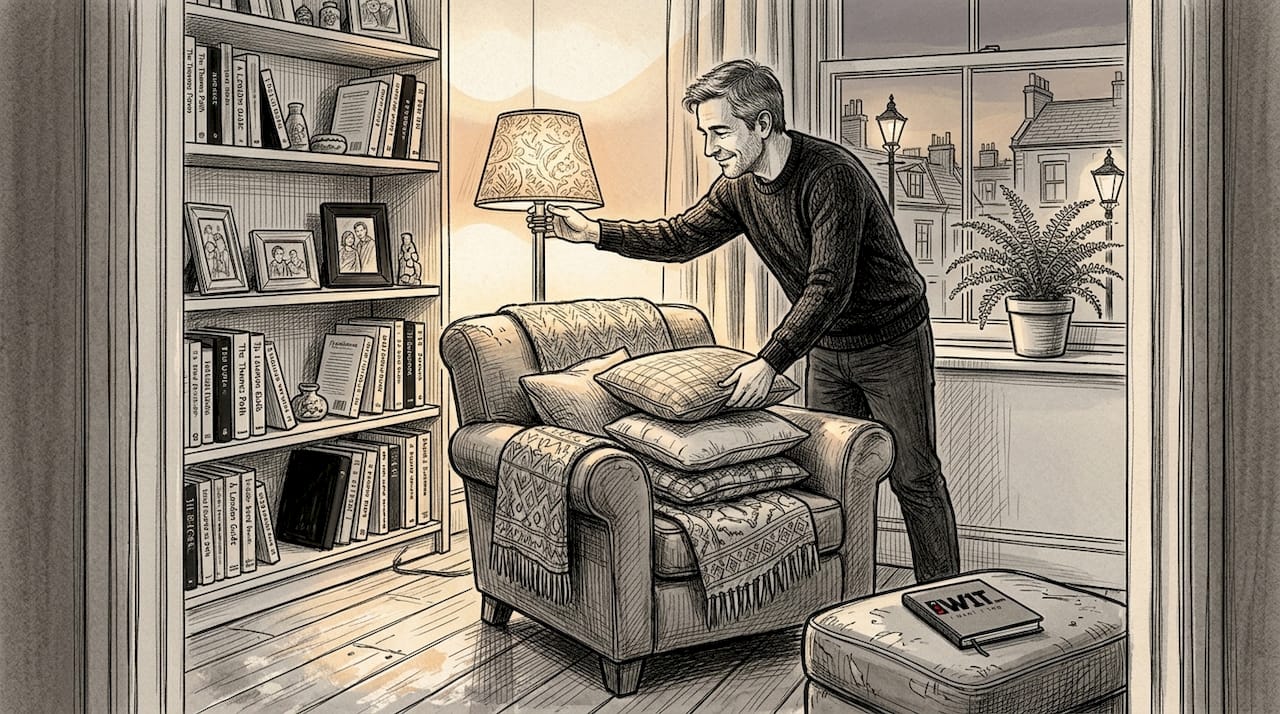
Lighting is probably the single most underrated comfort tool available. Warm-toned lighting in the 2700 to 3000K range signals to your brain that it is time to rest, which lowers cortisol and eases the transition from work to relaxation. Harsh overhead lighting, particularly blue-toned strips, does the opposite. Switching to warm bulbs, adding a floor lamp, or using dimmer switches are all low-cost changes with high sensory impact.
Textures work on a similar principle. Layering a wool throw over a cotton sofa, adding a jute rug over a laminate floor, or placing a velvet cushion against a linen cushion creates what designers call "tactile warmth." It signals safety and comfort to your nervous system even before you consciously notice it. You can find inspiration for vintage soft furnishings that add character and cosiness without a major spend.
Statistic: Biophilic design featuring plants and natural materials can reduce physiological stress markers by a meaningful margin, with nature exposure at home shown to modulate the autonomic nervous system toward recovery and calm.
Biophilic design is the third pillar. Plants are the obvious entry point, and they genuinely earn their place. Beyond aesthetics, they filter indoor air, regulate humidity slightly, and provide a focus point that draws the eye toward something living and dynamic rather than static.
- Use trailing plants like pothos or ivy to soften hard wall edges
- Group plants at different heights to create a layered, natural feel
- Choose wooden furniture or accessories over plastic for tactile warmth
- Include at least one natural fibre textile in every main room
- Use candles or warm lamps in the evening to shift your body toward rest
The goal is not to create a showroom. It is to create a space that feels genuinely restorative. Pair inviting soft furnishings with a few well-chosen plants, and you have a sensory environment that actively works in your favour every time you walk through the door.
Addressing comfort for diverse needs: Vulnerable groups, edge cases and energy efficiency
Cosy design advice is genuinely helpful, but it can feel disconnected from reality for households facing fuel poverty, poor-quality social housing, or the compounding pressures of deprivation. It is worth addressing these situations directly.
Energy efficiency is not an abstract environmental concern for vulnerable households. It is a daily health issue. Fuel poverty affects 34% of European households and has a measurable impact on physical and mental health outcomes. Social renters in particular often live in older, less efficient properties where they have little control over insulation or heating systems.
| Group | Key comfort challenge | Practical solution |
|---|---|---|
| Social renters | Poor insulation, no heating control | Draught-proofing, thermal curtains |
| Ethnic minority households | Higher indoor air pollution exposure | Air purifiers, ventilation habits |
| Fuel-poor households | Unaffordable heating | Energy-saving plugs, heated throws |
| Older adults | Temperature sensitivity, fall risk | Non-slip rugs, heated blankets |
Indoor air quality is a concern that disproportionately affects households in deprived areas and those belonging to ethnic minority communities. Older housing stock, lack of ventilation, and proximity to busy roads combine to create indoor environments that can affect cognition and respiratory health. Simple solutions like opening windows for cross-ventilation, using extractor fans during cooking, and placing air-purifying plants in key rooms make a real difference.
- Use a heated throw instead of raising the thermostat for the whole house
- Seal gaps around letter boxes and skirting boards with draught tape
- Switch to LED bulbs to cut lighting energy costs by up to 80%
- Use a slow cooker instead of the oven to reduce kitchen energy use
- Check eligibility for government insulation grants via the Great British Insulation Scheme
Pro Tip: A heated electric throw uses roughly 80 to 100 watts, compared to 1500 to 2000 watts for a small electric heater. For one person, it is dramatically cheaper and just as effective. Find practical energy-saving products that help you stay warm without the high running costs.
For a broader look at how comfort is reshaping everyday priorities across the UK, comfort lifestyle trends show this shift is accelerating across all demographics.
Why comfort deserves priority over style: Fresh perspectives for UK homes
Here is an opinion you will not hear from most interior design accounts: the prettiest room in the house is often the least comfortable one. We have been sold a version of home design that prioritises visual impact over lived experience, and a lot of people are quietly miserable in stylish spaces that are cold, draughty, or acoustically awful.
The evidence backs a different approach. Comfort over style for long-term functionality means getting your insulation and layout right before you spend a single pound on cushions or wall art. It also means recognising that comfort is relational. How your partner or children experience the thermal and sensory environment shapes how you all behave and connect at home. A cold living room does not just make you physically uncomfortable. It makes everyone retreat to separate rooms, which chips away at family life quietly but persistently.
Imperfect cosiness, a worn armchair, mismatched throws, plants at various stages of growth, beats curated perfection for one simple reason: you actually live in it. We encourage you to explore wellbeing-driven design solutions that serve your real, daily life rather than an aspirational photograph.
Practical products for comfortable, inviting homes
Ready to take the next step? The practical insights throughout this guide point toward one consistent truth: small, well-chosen products deliver genuine comfort gains when you pick the right ones for your specific situation.

At IW1T, we have curated a range of home, wellness, and lifestyle products specifically chosen to address real comfort needs for UK households. From soft furnishings and shop comfort-enhancing products to energy-saving solutions and discreet personal wellness items, everything ships in plain, private packaging. It is also worth exploring how comfort footwear fits into a broader everyday wellness routine. Comfort is not a single product. It is a collection of thoughtful choices, and we are here to help you make them.
Frequently asked questions
What are the quickest inexpensive changes I can make for better comfort at home?
Layered textiles, warm-toned lighting, draught excluders, and affordable comfort hacks like peel-and-stick decor deliver immediate improvement for under £30. Focus on your bedroom first for the fastest impact on sleep and mood.
Can comfort upgrades actually reduce my energy bills?
Yes. Thermal upgrades reduce healthcare costs and lower heating bills, while central heating installation in fuel-poor homes improves both comfort and financial wellbeing. Draught-proofing alone can cut heat loss significantly at minimal cost.
How does poor housing affect mental health?
Poor housing quality is strongly linked to depressive symptoms, particularly among UK women, with damp, mould, and inadequate heating among the primary contributing factors.
Are there deposit-safe comfort upgrades for renters?
Absolutely. Reversible renter upgrades such as peel-and-stick tiles, command strips, tension rods, thermal curtains, and draught snakes all improve comfort without risking your deposit when removed carefully.
Do plants and natural elements really help with mental wellbeing?
Yes. Biophilic design reduces stress by modulating the autonomic nervous system, with nature exposure at home shown to support recovery and calm through measurable physiological changes.