
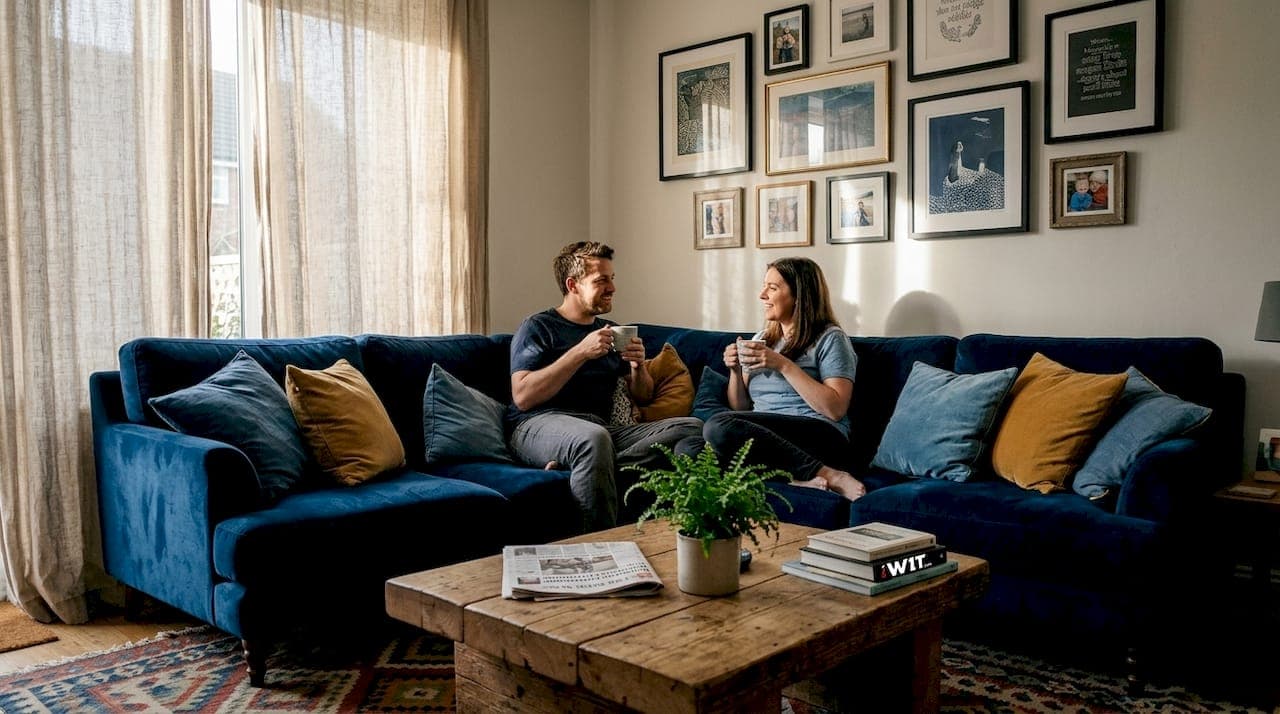
Most trends fade by the time you've acted on them. But 2026 is different. This year's home décor movement is rooted in something far more lasting than aesthetics alone: wellbeing, sustainability, and the very real human need for spaces that feel genuinely comforting. Blue shades dominate 2026 palettes according to Dulux and multiple UK forecasters, but the story runs much deeper than colour. Whether you own your home or rent it, this guide walks you through the key shifts in colour, materials, personalisation, and renter-friendly styling so you can make 2026 your most inspiring year at home yet.
Table of Contents
- Why 2026 is a turning point for home décor
- The colours defining UK homes in 2026
- Sustainable and tactile: 2026's must-have materials
- Personalisation and character: moving beyond perfection
- Renter-friendly updates: trend-proofing your space
- A fresh take: why meaningful style beats chasing trends
- Find stylish pieces for your 2026-inspired home
- Frequently asked questions
Key Takeaways
| Point | Details |
|---|---|
| Blues take centre stage | From pastels to deep indigo, blue is 2026’s top UK home colour trend. |
| Comfort is crucial | Design shifts towards wellbeing, tactile materials, and slow living. |
| Layer up for impact | Layered colours, natural wood tones, and maximalist styles are in, with all-white and neutral looks falling out of favour. |
| Embrace imperfection | Personal, collected, and lived-in spaces are valued over perfection. |
| Renters can join in | Painted floors, clever zoning, and freestanding pieces help even renters realise 2026 trends. |
Why 2026 is a turning point for home décor
Something has quietly shifted in how we think about home. It's no longer simply about making rooms look good in photographs. The spaces we live in are being asked to do a lot more: to restore us after long days, to support focus and creativity, and to offer a genuine break from the constant noise of digital life.
"The home is no longer just a backdrop to life — it's increasingly the stage, the sanctuary, and the solution all at once."
This shift has real momentum behind it. The comfort and slow living focus of 2026 décor is backed by consumer behaviour research, with tactile natural materials like washed linen — named Etsy's Texture of the Year — rising sharply in demand. Designers and retailers across the UK are reporting that shoppers are prioritising feel and mood over sharp minimalism.
Digital fatigue is a genuine design force. Screens dominate so much of daily life that homes are being deliberately styled to offer sensory relief: rougher textures, warmer tones, and fewer cold, reflective surfaces. The result is spaces that feel unplugged even when they're fully connected.
Here's what's driving the 2026 turn in home décor:
- Emotional wellbeing is now a core design priority, not an afterthought
- Slow living principles influence layout choices, with rooms designed for pause rather than performance
- Tactile materials replace sleek, smooth surfaces as comfort takes the lead
- Multi-purpose spaces are styled to feel restorative, not just functional
- Digital fatigue pushes interiors away from cold whites and harsh lighting
For anyone curious about practical products for emotional wellbeing, this shift in design direction makes it easier than ever to align your home environment with how you actually want to feel. The trend is no longer just visual. It's deeply personal.
With the tone set, let's break down the specific colours and palettes defining 2026 interiors.
The colours defining UK homes in 2026
Colour in 2026 is bold, layered, and very much alive. The era of playing it safe with beige and off-white is drawing to a close, replaced by palettes that communicate mood and personality with confidence.
Blue leads the charge. Blue shades dominate 2026 across the spectrum, from airy misty pastels that evoke a calm seaside morning to deep indigos that anchor a room with drama and depth. Dulux's global trend research confirms blue as the defining hue of the year, and it translates beautifully across living rooms, bedrooms, and even kitchens.
Maximalism is making a genuine comeback, too.
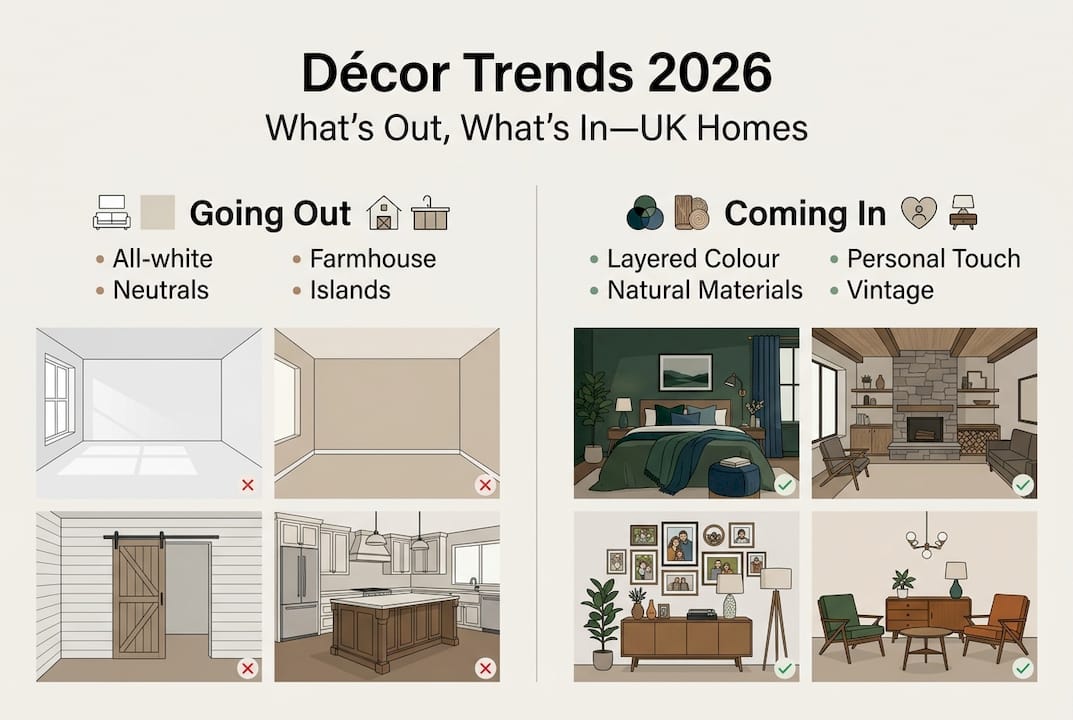
all-white kitchens, the modern farmhouse look, all-neutral rooms, and waterfall islands, replaced by layered colour palettes, mixed wood tones, and rooms that tell a story rather than present a blank canvas.| Going out in 2026 | Coming in for 2026 |
|---|---|
| All-white kitchens | Rich, layered colour schemes |
| All-neutral rooms | Bold blues and warm earth tones |
| Modern farmhouse style | Eclectic and expressive spaces |
| Waterfall kitchen islands | Mixed wood tones and character pieces |
| Flat, uniform palettes | Maximalist, curated layering |
For layered colours inspiration, think about combining a deep teal sofa with terracotta cushions and a warm timber coffee table. The contrast creates depth without feeling chaotic.
Here are some practical ways to embrace 2026 colour trends:
- Start with one bold anchor piece, such as a painted wardrobe or statement sofa
- Layer in two or three complementary tones rather than committing to a single hue throughout
- Use warm wood tones to ground bolder colours and prevent a space from feeling overwhelming
- Test paint swatches in different lights before committing, especially in north-facing UK rooms
Pro Tip: If committing to a fully bold palette feels daunting, paint a single alcove or chimney breast in a deep blue or forest green. It creates significant impact without overwhelming the room, and it's far more achievable on a weekend.
Now that colour trends are clear, let's look at the materials creating sensory, sustainable interiors.
Sustainable and tactile: 2026's must-have materials
Colour sets the mood, but materials determine how a room feels. In 2026, the materials leading UK interiors are natural, imperfect, and deeply satisfying to touch.
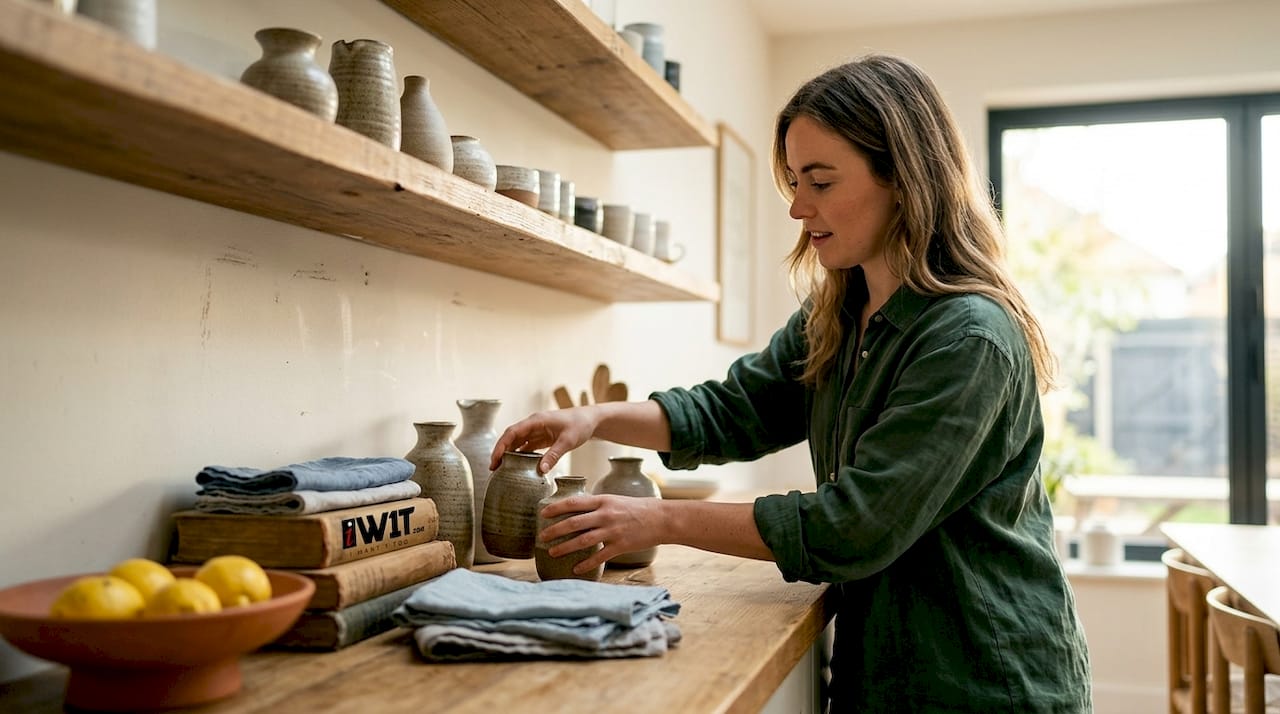
Natural textures and materials are firmly at the forefront, with washed linen, terracotta, timber, and ceramics all growing in popularity. Designers are actively moving away from the smooth, synthetic surfaces that dominated the 2010s, embracing instead the warmth and character of materials that show their age with grace.
| Material | Why it works in 2026 | Best used in |
|---|---|---|
| Washed linen | Soft, breathable, naturally textured | Cushions, curtains, bedding |
| Terracotta | Earthy warmth, versatile tone | Pots, tiles, accent pieces |
| Dark timber | Richness, depth, natural imperfection | Flooring, furniture, shelving |
| Handmade ceramics | Unique, artisan character | Tableware, vases, decorative pieces |
Here's how to bring these materials into your home in a practical, budget-conscious way:
- Swap synthetic cushion covers for washed linen alternatives in earthy or blue tones
- Introduce a ceramic lamp base or vase for instant artisan character
- Layer a natural jute or wool rug over existing flooring to add warmth and texture
- Source one reclaimed or antique timber piece, such as a side table or bookshelf, to anchor the room sustainably
Antiques and reclaimed pieces deserve special mention. They're not just aesthetically compelling; they represent a genuinely sustainable approach to furnishing your home. Buying second-hand extends the life of existing materials and reduces demand for new production. If you're browsing for stylish sustainable pieces, look for items with visible grain, hand-finishing, or signs of a life well-lived.
Pro Tip: Darker woods like walnut and smoked oak are having a significant moment in 2026. If full furniture replacement isn't in your budget, try a dark wood tray, picture frame, or small shelf to introduce the trend subtly.
Having explored materials, let's talk about the trend towards spaces with soul, championing personal collections and character.
Personalisation and character: moving beyond perfection
For years, the aspirational home was a pristine, catalogue-ready space. Everything matched. Nothing was out of place. And crucially, very little of it said anything about the person who actually lived there.
2026 pushes back on that firmly. Personalisation and lived-in aesthetics are central to this year's design movement, celebrating collections, vintage finds, and the kind of imperfection that only comes from a space that's genuinely inhabited and loved.
"A home that looks too perfect often feels too empty. The rooms people truly love tend to have a little dust in the corners and a lot of stories on the shelves."
This trend is liberating for most homeowners and renters. It means you don't need to start from scratch or invest in a completely new look. Your mismatched bookshelf, your grandmother's side table, and the artwork you picked up at a local market are all valid, valued design choices in 2026.
Here's what the personalisation movement celebrates:
- Mixing vintage and modern pieces to create rooms that feel curated rather than purchased as a set
- Displaying collections such as pottery, books, or travel souvenirs as intentional décor rather than clutter
- Embracing imperfection: chips in ceramics, worn leather, faded textiles all add authenticity
- Personal memorabilia as wall art, styling shelves, or grounding a reading corner
- Avoiding sterile, matching furniture sets in favour of pieces chosen for meaning and feel
The practical takeaway here is significant. You likely already have many of the ingredients for a characterful 2026 interior. The shift required is often one of mindset rather than budget.
With the big trends defined, practical tips for renters deserve attention, helping everyone embrace 2026 style.
Renter-friendly updates: trend-proofing your space
Renting shouldn't mean sacrificing style. The good news is that many of 2026's strongest trends are perfectly suited to temporary living situations, requiring no drilling, painting over existing décor, or risking your deposit.
Painted floors, rugs for zoning, and freestanding furniture are highlighted as the key renter-friendly tools for 2026, and each one carries genuine design weight when applied thoughtfully.
- Painted floors: A feature floor in a muted terracotta or warm grey can transform a tired room. Use specialist floor paint that can be returned to neutral without permanent damage, and always check your tenancy agreement first.
- Rugs for zoning: In open-plan spaces or studio flats, a well-placed rug defines different areas without any structural work. A large jute rug under a dining table or a soft wool rug anchoring a reading chair brings warmth and clear intention to a layout.
- Freestanding furniture: Shelving units, clothing rails, and freestanding kitchen storage offer a designer look without wall fixings. They're easily moved when the time comes, and they often look better than built-in alternatives in rental properties.
- Peel-and-stick wallpaper: High-quality removable wallpaper has improved dramatically and now offers genuinely convincing patterns. It's ideal for creating a feature wall in deep blues or botanical prints.
- Swap light fittings temporarily: Many landlords allow you to change light shades without issue. A simple pendant swap from bare bulb to a rattan or ceramic shade makes an immediate difference.
Pro Tip: Invest in a few large-format prints in the trending colour palette and frame them with simple clip frames. They're inexpensive, removable, and add enormous personality to an otherwise neutral rental space.
Having addressed both owners' and renters' needs, let's reflect on the bigger picture and what really matters in home décor.
A fresh take: why meaningful style beats chasing trends
Here's the honest truth about annual décor trends: the ones worth following aren't really about fashion at all. They're about how you want to feel inside your own four walls.
2026's design direction towards comfort, sustainability, and personalisation isn't a temporary fad. It reflects something genuinely important about how people are reassessing their relationship with their homes. After years of curating for Instagram rather than living, there's a real desire for spaces that serve real life.
We'd encourage you to treat this year's trends as a framework, not a prescription. If deep indigo walls fill you with dread, a single blue ceramic vase achieves the same conversation without the commitment. If maximalism feels overwhelming, one characterful vintage piece can shift the entire energy of a room.
The spaces that age best aren't the ones that perfectly captured 2026. They're the ones that captured you, layered with pieces that carry genuine meaning and arranged for genuine comfort. Trends give you permission and inspiration. What you do with them is entirely your own.
Find stylish pieces for your 2026-inspired home
Ready to bring some of these ideas to life? You don't need to overhaul everything at once. The best approach is finding a few well-chosen pieces that reflect your style and lift the spaces you love most.
At IW1T, we've curated a selection of home and lifestyle pieces that complement exactly the kind of thoughtful, character-led interiors 2026 is calling for. From tactile textiles to practical home accessories, you'll find options that suit a range of budgets and living situations. Browse curated home décor at I Want 1 Too and discover pieces chosen with both style and liveability in mind. Whether you're a homeowner planning a full refresh or a renter looking for that one brilliant piece, there's something to help you make your space feel genuinely like yours.
Frequently asked questions
Which colour is predicted to be most popular in UK homes for 2026?
Blue shades dominate 2026 palettes, from soft pastels to deep indigo, making blue the standout hue for UK homes this year across all room types.
How can renters update their spaces without breaking their tenancy agreement?
Painted floors, rugs for zoning, and freestanding furniture are on-trend ways to refresh a rented space meaningfully without making permanent changes or risking your deposit.
What home décor trends are going out in 2026?
Out trends include all-white kitchens, modern farmhouse aesthetics, all-neutral rooms, and waterfall islands, as bolder and more characterful styles take over.
Why is sustainability important in 2026 home décor?
Sustainability via antiques and reclaimed pieces is reshaping décor choices by reducing waste and creating timeless, liveable interiors that carry genuine character and history.