
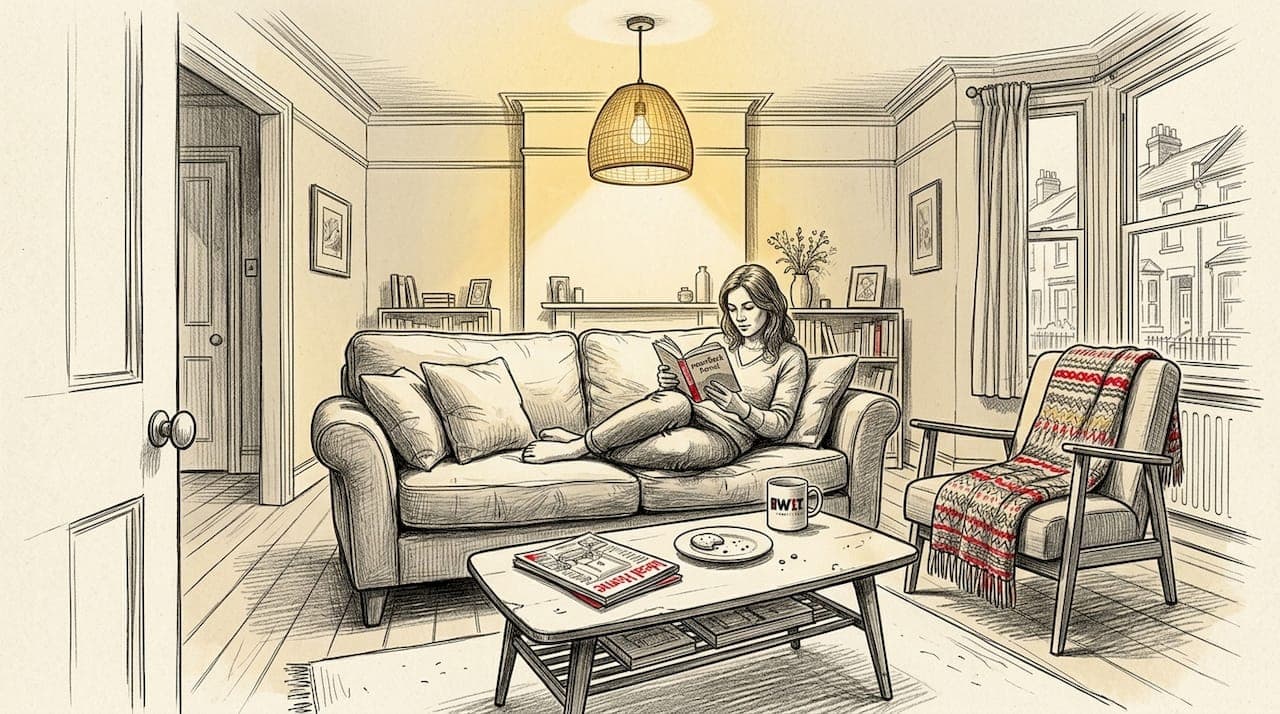
Hygge (pronounced "hoo-gah") is not simply a collection of candles on a shelf or a chunky knit blanket draped over a sofa arm. Most UK homes that attempt it stop right there, and then wonder why the room still feels cold. Research into Danish neurolighting shows that warm, low-Kelvin lighting genuinely reduces cortisol and mimics the relaxing effect of sunset, while small, enclosed spaces score higher for psychological restoration than open-plan layouts. In other words, hygge is backed by science, and this guide will show you exactly how to bring that science into a real British home.
Table of Contents
- Understanding hygge décor: beyond candles and cosiness
- The five-layer formula: building the hygge look in UK homes
- Colour, light and texture: setting the mood for year-round comfort
- Practical UK tweaks: from small flats to bold statements
- Hygge for wellbeing: how design choices boost happiness
- Real hygge in the UK: mindset, not just mood lighting
- Explore more options for cosy living
- Frequently asked questions
Key Takeaways
| Point | Details |
|---|---|
| Intentional layers matter | True hygge décor is about combining layers of comfort, texture, and personal touch rather than just adding props. |
| Lighting impacts wellbeing | Warm, low-Kelvin lighting is a cornerstone of hygge and promotes relaxation and happiness. |
| Adapt for UK homes | Practical tweaks like large rugs, floating furniture, and moody palettes work even in small or modern flats. |
| Authenticity over trend | Hygge’s real value comes from shared experiences and everyday comfort, not just following a design fad. |
Understanding hygge décor: beyond candles and cosiness
The Danish word "hygge" does not translate neatly into English. The closest you get is "a feeling of warm togetherness and intentional comfort," but even that misses the social layer entirely. True hygge is about who you share a space with and how that space makes everyone feel safe, present, and at ease. It is not a product you buy.
"Authentic Danish hygge is everyday social and spatial enjoyment, not a commodified trend. British interpretations often stage it with props — candles, blankets — as a form of middle-class lifestyle nostalgia, echoing Scandi design myths rather than the actual cultural practice."
That quote comes directly from academic research into how hygge translates across cultures, and it is worth sitting with. Many UK homeowners have been sold a visual version of hygge that prioritises appearance over feeling. The Instagram-ready flat lay of pillar candles and a steaming mug is lovely, but it is essentially set dressing.
What actually matters in hygge décor:
- Intentional comfort: Every item earns its place because it genuinely serves comfort, not because it photographs well
- Social warmth: Spaces that invite gathering, lingering, and conversation rather than performing
- Emotional continuity: Personal objects, family pieces, and items with stories rather than brand-new, perfectly matched sets
- Sensory layering: Textures, light, scent, and sound working together rather than just visual aesthetics
If you want to explore some stylish UK décor ideas that genuinely combine comfort with style, it is worth going further than surface-level trend pieces. Real hygge asks you to design for how a room feels, not how it looks in a photograph.
The five-layer formula: building the hygge look in UK homes
Once you understand what hygge actually means, you can build it methodically. A practical five-layer hygge formula gives you a sequence that works in almost any UK room, from a terraced Victorian living room in Manchester to a modern open-plan flat in London.
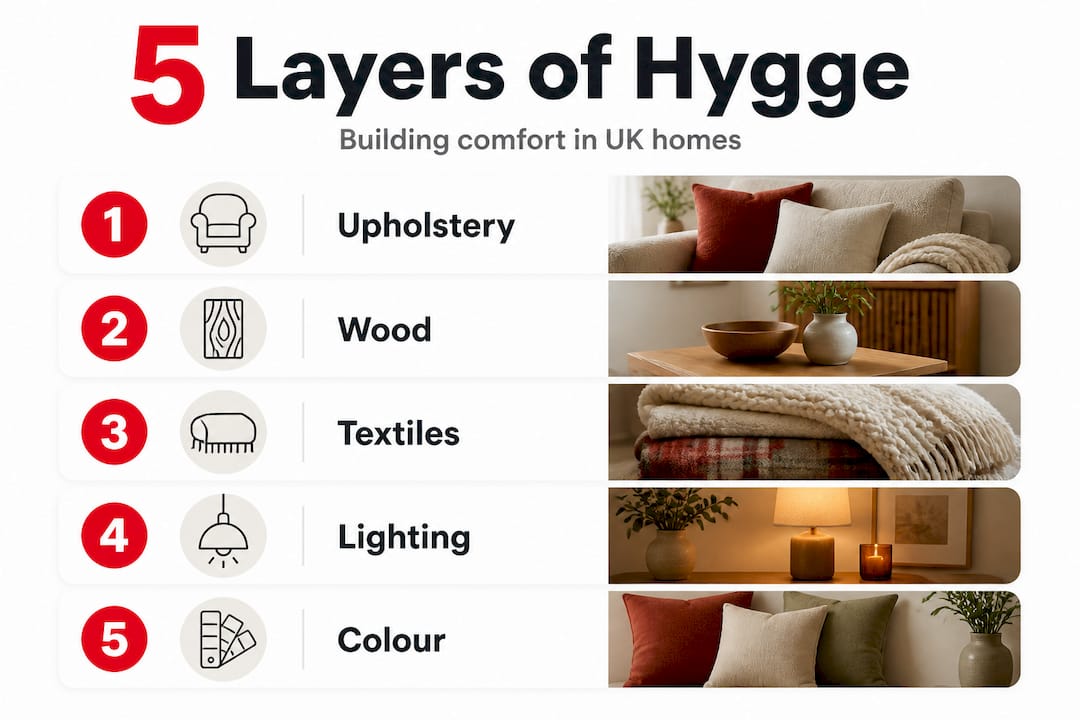
| Layer | Element | UK example |
|---|---|---|
| 1. Upholstery | Deep, inviting seating | Large linen or velvet sofa from a UK high street |
| 2. Wood | Natural warmth underfoot or overhead | Oak flooring, pine shelving, reclaimed timber |
| 3. Textiles | Layered throws, cushions, rugs | Wool blanket from a Scottish mill, jute rug |
| 4. Accents | Personal objects, plants, candles | Family photos, a trailing pothos, beeswax candles |
| 5. Colour | Warm, grounding palette | Caramel, burnt sienna, forest green, soft cream |
Each layer adds a distinct sensory quality. Upholstery draws people in physically. Wood grounds the room with organic warmth. Textiles create tactile depth by mixing rough and smooth surfaces, such as a chunky wool throw laid over a smooth leather cushion. Accents tell your personal story. Colour holds it all together emotionally.
The order matters, too. If you start with colour and add textiles later, you often end up with a mismatched room that feels busy rather than cosy. Start with your largest upholstered piece, build your natural wood elements around it, then layer inward with textiles and outward with accents. Colour should inform every decision from the beginning, not be added as an afterthought.
Pro Tip: Resist the urge to match everything. Hygge thrives on gentle contrast. A rough linen cushion against a smooth velvet sofa, or a woven jute rug on polished oak floorboards, creates the kind of tactile interest that makes a room genuinely inviting rather than showroom-perfect. For more guidance on choosing accessories for comfort, it is worth prioritising function alongside aesthetics.
Furniture placement matters just as much as the furniture itself. Deep sofas should face each other or angle inward to encourage conversation. Avoid lining chairs against walls, which creates a waiting-room effect that is the opposite of hygge. Pull pieces toward the centre, create a clear focal point, and leave deliberate "breathing room" rather than filling every corner.
Colour, light and texture: setting the mood for year-round comfort
Lighting is arguably the single most powerful tool in hygge décor, and it is the one most UK homeowners get wrong. Standard ceiling bulbs in most British homes emit light around 4000 to 6500 Kelvin, which is cool, bluish, and clinically energising. That is fine for a kitchen workspace. It is completely wrong for a living room you want to feel like a sanctuary.
Warm lighting around 1800K closely mimics candlelight and the late-afternoon sun. It slows your nervous system, signals to your body that the day is winding down, and reduces cortisol. In Denmark, this principle is so embedded that it has its own term: neurolighting. You do not need to renovate your electrics to achieve it.
| Lighting type | Kelvin range | Hygge effect |
|---|---|---|
| Candlelight | 1800K | Maximum relaxation, deeply cosy |
| Warm white bulb | 2700K | Excellent for layered lamps |
| Soft white bulb | 3000K | Acceptable in combination |
| Cool white bulb | 4000K+ | Avoid in living and bedroom spaces |
Colour choices interact with light in important ways. Rich tones such as caramels, burnt oranges, and deep forest greens absorb and reflect warm light beautifully, creating a room that glows rather than glares. Pale Scandinavian whites, by contrast, can look clinical under UK grey skies, which often means rooms need additional layering to compensate.
Key texture and colour principles for UK homes:
- Go darker than you think: A deep sage or charcoal wall feels dramatically cosier than magnolia once you add warm lighting
- Layer your lamps: One overhead light is never enough. Use floor lamps, table lamps, and candles to create multiple light sources at different heights
- Use wall-to-wall curtains: Hanging curtains from ceiling to floor makes any room feel taller and more enclosed, which research links to higher psychological restoration
- Add fairy lights deliberately: In corners, behind furniture, or threaded through a bookshelf, not strung across a window like a student bedroom
Understanding the impact of indoor lighting on your comfort and mood goes well beyond aesthetics. It is genuinely physiological. And if you want to understand where hygge fits within broader 2026 décor trends, the direction is firmly toward warmer, more personalised interiors that prioritise wellbeing.
Practical UK tweaks: from small flats to bold statements
The UK housing stock presents specific challenges. Victorian terraces have small rooms with high ceilings. Modern new-builds have open-plan layouts that actively resist cosiness. Studio flats in cities need to serve as living room, bedroom, and dining room simultaneously. None of these are impossible to hygge, but each requires a slightly different approach.
Here is a practical sequence for transforming a space that is not working:
- Assess your light sources first: If your only light is overhead, buy two floor lamps before you do anything else
- Add a large rug: In smaller rooms, a rug of around 9x12 feet anchors furniture and creates a defined cosy zone within a larger space
- Float your furniture: Pull sofas and chairs roughly 18 inches from the walls. This counter-intuitive move makes rooms feel larger and more intimate simultaneously
- Choose low-profile pieces: Furniture under 18 inches high keeps sightlines open in small spaces and makes ceilings feel taller
- Install a dimmer switch: One of the cheapest and most transformative upgrades you can make, costing as little as £15 at most UK DIY stores
- Layer your textiles: One throw, two cushion textures minimum. Do not stop at a single decorative pillow
Pro Tip: For moody hygge palettes using deep forest green or charcoal, the secret is counterbalancing with warm amber lighting and plenty of natural wood tones. Without those counterweights, dark colours simply feel oppressive rather than intimate. If in doubt, add a lamp before you consider repainting.
UK-specific sourcing is worth thinking about carefully. Furniture Choice offers solid wood pieces at reasonable price points. John Lewis and Next carry wool-mix blankets and cushions that hold up well. For genuinely beautiful textiles, Scottish wool mills often sell direct, and their quality is exceptional. Charity shops and antique markets remain one of the best places to find personal, story-rich objects that make a hygge space feel lived-in rather than staged.
A well-researched DIY décor guide can help you make confident, cost-effective decisions, while functional décor tips ensure your choices serve real everyday living rather than just looking good on a Pinterest board. For stylish ideas in small spaces specifically, the principles of hygge translate particularly well to compact UK rooms when applied thoughtfully.
Hygge for wellbeing: how design choices boost happiness
The link between hygge-style design and genuine mental health improvement is not anecdotal. Small enclosed spaces promote higher psychological restoration than open-plan layouts, which partly explains why Denmark consistently ranks among the world's happiest nations despite long, dark winters. The design philosophy compensates for the environment rather than fighting it.
"Warm, low-Kelvin lighting does not just look nicer. It actively mimics the physiological effect of sunset, reducing cortisol and triggering the body's relaxation response. This is design with measurable biological impact."
Beyond lighting, tactile comfort plays a significant role. Soft textures, particularly wool and cotton against skin, stimulate the same gentle sensory pathways as physical touch. For people living alone, which applies to a large and growing proportion of UK households, this kind of sensory richness in a home environment provides genuine comfort that goes far beyond aesthetics.
Practical ways to deepen hygge's wellbeing impact:
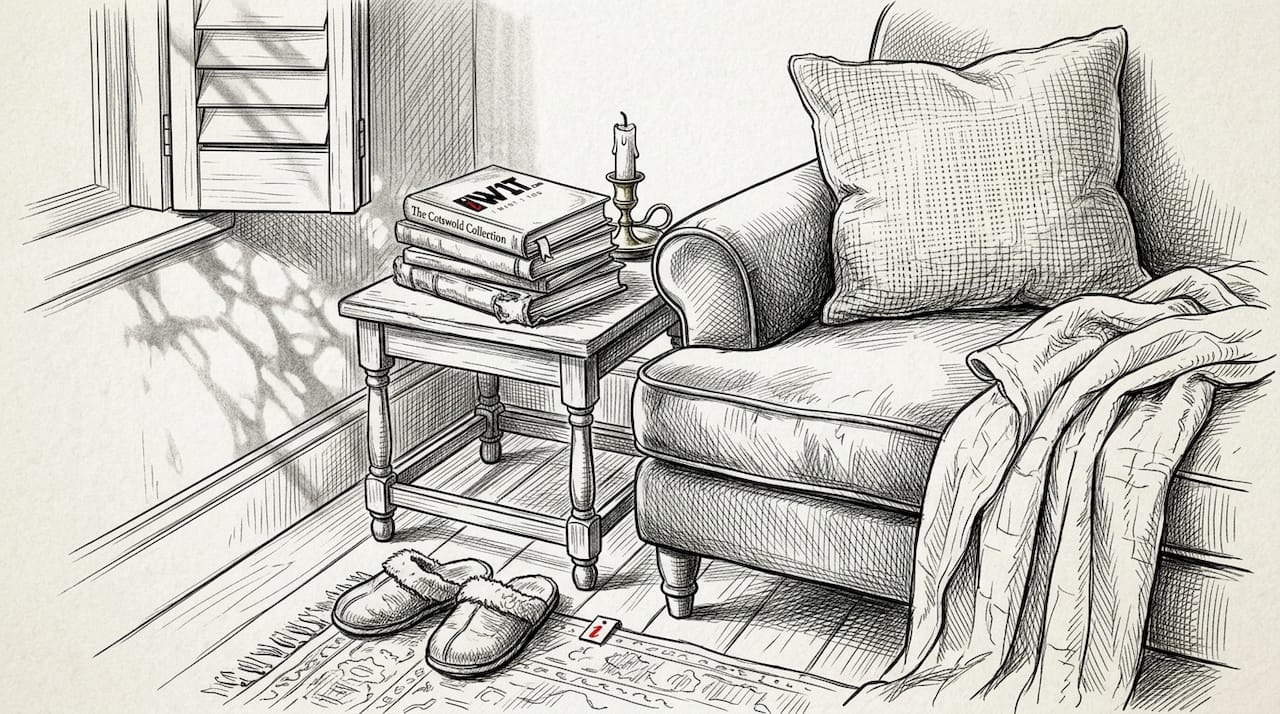
- Create a tech-free corner: A single armchair, a good lamp, and a side table for a book or a cup of tea. No screens, no notifications
- Establish small rituals: Lighting a candle at the same time each evening, or making a particular tea on a Friday night, grounds hygge in behaviour rather than just furniture
- Bring in living plants: Biophilic design, the use of natural elements indoors, consistently reduces anxiety and improves air quality. A trailing pothos or a snake plant requires minimal maintenance but adds significant warmth
- Prioritise shared spaces: If you live with others, design your most inviting seating around conversation rather than around a television
For deeper guidance, practical wellbeing tips can help you connect your home environment to your wider health, and exploring how décor shapes your wellbeing provides strong context for the choices you make in every room.
Real hygge in the UK: mindset, not just mood lighting
Here is the uncomfortable truth: you can buy every item on a hygge checklist and still end up with a room that feels hollow. We have seen it happen repeatedly. Beautiful candles, perfect throws, warm lighting, and yet something is missing. That something is almost always intention.
Academic research confirms that British hygge tends to get staged rather than lived. It becomes a lifestyle performance rather than a daily practice. This happens because we approach it as an interior design project rather than a social and emotional one. The Danes do not create a hygge room and then visit it. They create hygge by being present with people they care about, in a space that supports that presence.
What this means practically is that the most important thing you can do is decide what your home is for. Is it for impressing guests? Feeling restored after a difficult week? Having unhurried evenings with your family? Once that is clear, every design decision becomes much easier and more coherent.
The second shift is accepting imperfection. Hygge-authentic spaces are characterised by the mix of old and new, inherited and chosen, expensive and cheap. A family member's old armchair that you have reupholstered is more hygge than a brand-new sofa from a design catalogue, because it carries a story. Stories are what make spaces feel inhabited rather than assembled.
Our honest recommendation: start with one room, one corner even, and make it genuinely yours before expanding outward. Do not redecorate everything at once. Hygge, at its core, is about slowing down.
Explore more options for cosy living
If this guide has sparked ideas and you are ready to start making real changes at home, we have done some of the searching for you. At IW1T, we carefully select products that support genuine comfort, wellbeing, and everyday living, not just items that look good in a flat lay.

From home accessories that add warmth and character to wellness items that support a more restful home life, our range has been chosen with exactly this kind of intentional living in mind. Whether you are creating your first hygge corner or refining a space you have been working on for a while, browsing our carefully curated home products is a practical next step. We are a family-run UK business, so we understand what it means to want a home that truly feels like one.
Frequently asked questions
What makes décor 'hygge' instead of just cosy?
Hygge décor combines intentional comfort, social warmth, and personal storytelling. As academic research confirms, simply staging a room with props misses the everyday social and emotional essence that defines authentic hygge.
Can you create hygge in a small UK flat?
Yes, absolutely. Use low-profile furniture under 18 inches high, float pieces away from walls, anchor the space with a large rug, and layer warm lighting to maximise cosiness in limited square footage.
Does lighting really matter for hygge?
It matters enormously. Warm lighting around 1800K closely mimics candlelight, actively reducing cortisol and triggering your body's relaxation response, which makes it one of the most impactful changes you can make.
Where can I buy hygge-style items in the UK?
UK retailers such as Furniture Choice offer solid wood furniture and wool blankets, and House Beautiful recommends rich tones, wall-to-wall curtains, and layered lamps as starting points for a hygge-inspired home.