

Picture walking through your front door after a long day and instantly feeling the tension leave your shoulders. That's not luck — it's good decorating. Yet so many UK homes fall into the trap of looking stylish in photographs whilst feeling cold and unwelcoming to actually live in. Whether you're a homeowner with full creative freedom or a renter working within strict tenancy rules, the right approach can genuinely transform how your space feels. This guide walks you through every stage, from assessing your needs to making sustainable choices, so your home becomes a place you genuinely love being in.
Table of Contents
- How to prepare: assess your needs and gather essentials
- Step-by-step: creating comfortable spaces in any home
- Common mistakes and how to avoid them
- Sustainable comfort: characterful, eco-friendly choices
- A fresh perspective: the underestimated power of small changes
- Ready to transform your space with comfort in mind?
- Frequently asked questions
Key Takeaways
| Point | Details |
|---|---|
| Plan with purpose | Assess your comfort priorities and gather the right materials before decorating. |
| Layer warmth and texture | Use colour, textiles, and furniture placement to create a welcoming, comfortable atmosphere. |
| Avoid common pitfalls | Steer clear of harsh lighting, clutter, and poor layout for stress-free comfort. |
| Opt for sustainable choices | Choosing vintage or salvaged décor adds character and helps the environment. |
| Small steps matter | Minor updates like lighting and accessories can make a big comfort difference. |
How to prepare: assess your needs and gather essentials
Now that you know what this guide offers, let's start with a bit of planning before any decorating begins. Jumping straight into buying cushions or repainting walls without a clear direction is one of the most common ways people waste money and end up dissatisfied. A few focused questions early on will save you considerable time and effort.
Start by identifying your comfort priorities. Ask yourself whether you want the room to feel cosy and intimate, flexible for different uses, or visually striking. These goals aren't mutually exclusive, but knowing which matters most helps you make better decisions when faced with choices. A bedroom optimised for rest needs different treatment than a living room that doubles as a home office.
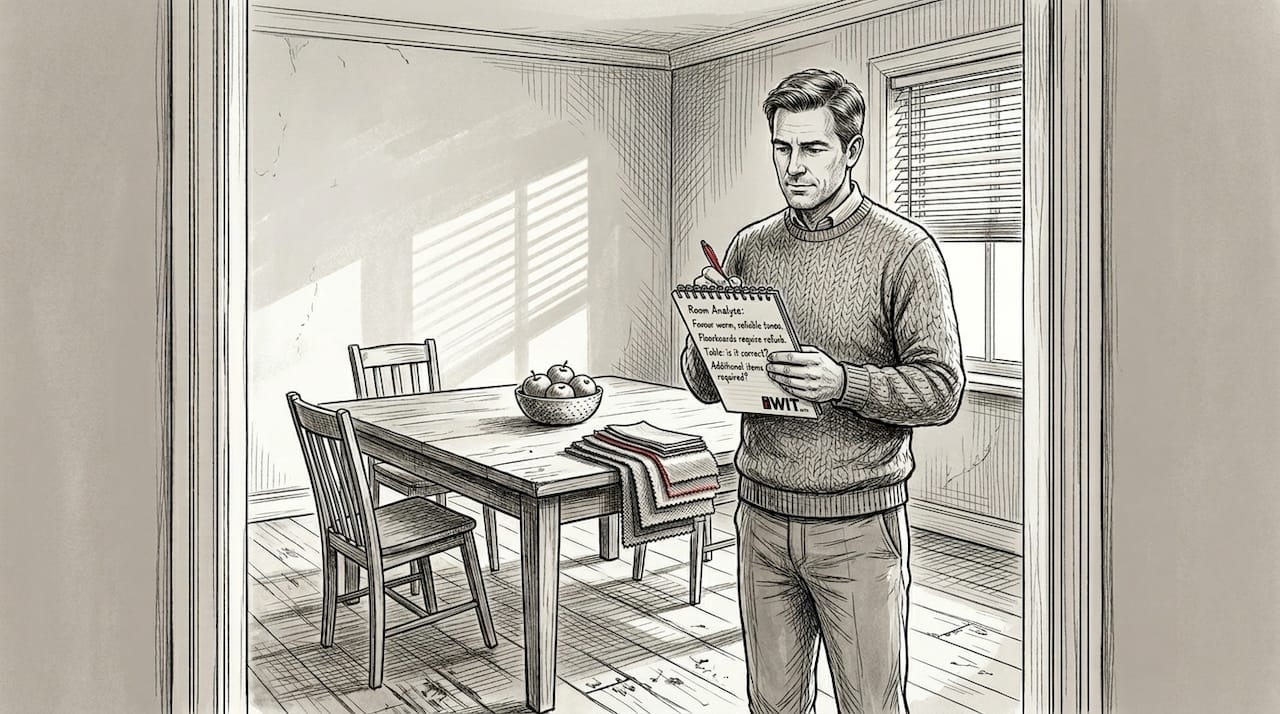
Next, think honestly about your constraints. Renters, in particular, face challenges that homeowners don't. Fortunately, there are excellent practical home décor solutions that work brilliantly within rental rules. According to guidance for renters, removable solutions such as peel-and-stick wallpaper, command strips, removable decals, temporary wall panels, and no-drill hooks are all excellent ways to personalise your space without risking your deposit.
Here's a quick comparison of what renters versus homeowners typically have available:
| Approach | Renters | Homeowners |
|---|---|---|
| Wall changes | Removable wallpaper, decals | Paint, plaster, permanent paper |
| Fixtures | No-drill hooks, tension rods | Drilled shelving, fixed brackets |
| Flooring | Layered rugs | Underlays, new flooring |
| Structural | None | Full renovation possible |
Before you buy a single item, run through this checklist:
- Define the mood you want each room to create
- Measure your space so furniture and rugs fit correctly
- Set a realistic budget per room and stick to it
- Audit what you already own before purchasing anything new
- Research current décor trends to ensure longevity in your choices
If you're looking for inspiration on where to start, the current décor trends for 2026 lean heavily into warmth, natural materials, and layered textures — all of which align naturally with comfort-led decorating.
Pro Tip: Before shopping, take photographs of each room in natural light. You'll often notice things you've stopped seeing, like awkward furniture layouts or underused corners that could become cosy reading nooks.
For those who love hands-on projects, the DIY décor guide is packed with achievable ideas for making meaningful changes without professional help.
Step-by-step: creating comfortable spaces in any home
With your essentials ready, let's begin transforming individual rooms using practical, research-backed actions.
Step 1: Choose your colour palette deliberately. Colour is one of the most powerful tools you have, and it costs nothing to plan carefully before buying a single tin of paint or roll of wallpaper. Warm, earthy palettes such as caramels, browns, sage greens, and warm neutrals create a psychologically grounding atmosphere that encourages relaxation. If you prefer something more energetic, bold contrasts inspired by hygge or Dopamine décor principles can also produce feelings of joy and security.
Step 2: Sort out your lighting before anything else. This is the single most overlooked step in home comfort. Most UK homes rely far too heavily on harsh overhead lighting. Understanding the importance of indoor lighting will genuinely change how you approach a room. Layer your sources: use floor lamps, table lamps, and candles alongside any overhead fitting. This creates visual warmth and gives you control over atmosphere throughout the day.
Step 3: Position furniture to create cosy zones. Rather than pushing all furniture against the walls (a very common British habit), try floating pieces inward to create defined zones. A sofa with a rug underneath and a small side table creates a distinct seating area that feels intentional and inviting rather than sparse.
Step 4: Layer textiles generously. Throws, cushions, curtains, and rugs all contribute to how a room feels underfoot and on the skin. Mix textures: a linen cushion next to a velvet one, a chunky knit throw over a smooth sofa. This tactile variety is what makes a room feel genuinely lived-in and welcoming. For detailed advice on accessories, selecting accessories for comfort is an excellent reference.
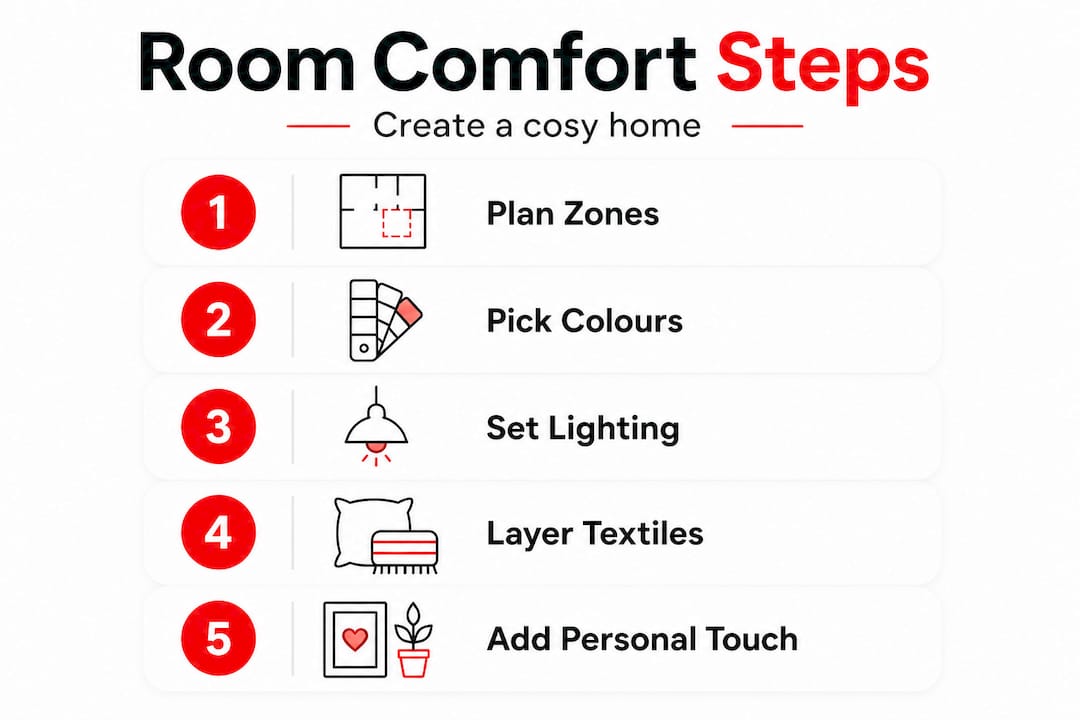
Step 5: Consider the Dopamine décor approach. This trend, which has gathered significant attention in the UK, encourages bold, joyful colour choices that prioritise how a home makes you feel rather than how it photographs. Read more about Dopamine décor considerations to decide whether it suits your personality and space.
Here's a useful comparison of the two dominant comfort design philosophies:
| Style | Cosy cocoon | Open-plan living |
|---|---|---|
| Best for | Bedrooms, reading nooks, small flats | Family areas, entertaining spaces |
| Key textures | Heavy drapes, thick rugs, layered soft furnishings | Lightweight fabrics, smooth surfaces |
| Lighting | Warm, low-level, layered | Natural light, diffused overhead |
| Colour | Deep, warm, saturated tones | Light, airy, neutral |
| Psychological effect | Restoration, security, intimacy | Social energy, openness |
Pro Tip: Try moving your sofa away from the wall by just 30 centimetres. It sounds counterintuitive in smaller rooms, but it creates a sense of defined space that actually makes the room feel more purposeful and comfortable.
Common mistakes and how to avoid them
The path to a more comfortable home isn't without bumps — here's how to sidestep common decorating errors.
The most frequent mistake people make is overcluttering surfaces in the name of personality. There is a genuine difference between layered, characterful spaces and rooms that simply have too much in them. Clutter raises cortisol levels and makes it harder to relax, even when the individual items are beautiful. The solution is curation: choose a few meaningful pieces and give them room to breathe.
Here are the most common comfort mistakes UK homeowners and renters make:
- Using a single overhead light source instead of layering warm light at different levels
- Blocking natural walking paths with poorly positioned furniture
- Ignoring small, enclosed corners that could serve as restorative reading nooks or quiet retreats
- Choosing decorative cushions over functional ones, leaving sofas that look good but feel uncomfortable
- Neglecting window treatments, which significantly affect both temperature and light quality
Choosing the right lighting deserves its own focus because it affects every other decorating decision. Research on comfort-led design consistently shows that
lighting dramatically improves the sense of cosiness in a space. Cool, bright lighting signals alertness and productivity — the opposite of what you want in a living room or bedroom."Low ceilings and enclosed spaces can actually enhance the feeling of comfort and psychological restoration. Paired with warm-toned lighting and considered furniture placement, they create a sanctuary effect that open-plan rooms rarely achieve."
The Scandinavian approach to interior design makes this point clearly: smaller, purposeful rooms with deliberate lighting are not limitations. They are assets. UK renters who have a small living room should resist the urge to fight the proportions and instead lean into them.
Another mistake often overlooked is neglecting seating variety. A room with only one sofa limits how people can sit, rest, and feel comfortable. Adding a floor cushion, an armchair, or even a window seat creates options, and options equal comfort. Check out the broader tips for UK comfort for more on how small interventions add up to significant improvements in how a home feels day to day.
Sustainable comfort: characterful, eco-friendly choices
Comfort extends beyond immediate feel — let's explore how you can create a welcoming home while being mindful of sustainability.
There is a growing awareness among UK homeowners and renters that the way we furnish our homes has a direct environmental impact. The UK dumps 670,000 tonnes of furniture every single year. That figure is staggering when you consider how much of it could be repaired, repurposed, or simply passed on to someone else. Choosing salvaged and vintage pieces is not only better for the planet — it also tends to produce rooms with far more character and warmth than spaces filled with flat-pack alternatives.
Practical sustainable choices for UK homes:
- Vintage and second-hand furniture from charity shops, online marketplaces, and local auctions often offer superior quality at lower prices
- Natural materials such as solid wood, linen, wool, and cotton biodegrade properly and tend to wear far better than synthetic alternatives
- Reclaimed items, including old doors repurposed as shelving or factory lights used as pendants, add genuinely unique focal points
- Reupholstering existing pieces rather than replacing them extends the life of good quality frames significantly
- Buying British-made where possible reduces transport emissions and supports local craft traditions
Sustainability stat: The UK discards approximately 670,000 tonnes of furniture annually. Choosing one salvaged or vintage piece per room is a small decision with a meaningful collective impact.
Sustainable choices also tend to age better aesthetically. A reclaimed oak sideboard will look more comfortable and characterful in ten years than most new alternatives. That ideas for sustainable décor are increasingly mainstream in 2026 means you won't struggle to find inspiration or stock. The 2026 décor trends strongly favour natural textures, warm tones, and pieces with provenance — all hallmarks of sustainable sourcing done well.
A fresh perspective: the underestimated power of small changes
Having explored the practicalities, it's worth rethinking what true comfort means in your home.
Most people approach home comfort as a project requiring significant investment: a new sofa, fresh flooring, a complete repaint. We've seen enough British homes to know that this is rarely where the real transformation happens. The rooms that feel most genuinely comfortable are almost never the most expensively decorated. They are the ones where someone has paid close attention to the mood of the space and responded with small, thoughtful interventions.
Swapping a cool white bulb for a warm amber one costs less than two pounds and changes the entire atmosphere of a room within seconds. Repositioning a lamp from a corner to a side table completely alters how the space reads in the evening. Adding a single layered rug creates both visual warmth and acoustic softness — two factors that profoundly affect how comfortable a room feels to sit in.
The uncomfortable truth is that many of us delay creating genuinely comfortable homes because we're waiting for the "right" moment: the renovation, the bigger budget, the house purchase. Meanwhile, we live every day in spaces that don't support our wellbeing. Understanding how decor and wellbeing are directly connected is the shift that unlocks real change.
The most impactful thing you can do is stop treating your home as a fixed backdrop and start treating it as a responsive environment. Move things around. Try a throw in a new spot. Take down the art that no longer speaks to you. Comfort is not a destination — it's an ongoing, evolving conversation with the space you live in. And the people who understand that tend to live in far more enjoyable homes, regardless of their budget.
Ready to transform your space with comfort in mind?
Inspired to take action? Here's how you can bring these ideas to life with carefully chosen products.
At IW1T, we've put together a carefully curated range of home and lifestyle products designed specifically for UK homes — whether you rent or own, whether your style leans towards calm minimalism or layered cosiness. We understand that comfort isn't one-size-fits-all, which is why our collection spans practical tools, décor accessories, lighting solutions, and wellness items, all thoughtfully selected with everyday British living in mind.

Every product we stock is chosen with the same criteria: does it actually improve how your space feels to live in? If the answer isn't a clear yes, it doesn't make the cut. From textiles and lighting to home accessories that add personality without clutter, you'll find products that genuinely earn their place in your home. Discover comfort-driven décor and browse our full range — all delivered in discreet, unobtrusive packaging, direct to your door.
Frequently asked questions
Which paint colours make a living room feel most comfortable?
Warm, earthy palettes such as caramels, sage greens, warm browns, and neutrals create a psychologically comforting atmosphere, while hygge-inspired bold contrasts can inject joyful energy into a space.
How can renters decorate without risking damage?
Removable solutions such as peel-and-stick wallpaper, command strips, removable decals, and no-drill hooks let you personalise your rental freely without risking your deposit or breaching your tenancy agreement.
Do smaller rooms actually feel more relaxing than open-plan spaces?
Research suggests that small, enclosed spaces typically provide higher psychological restoration than open-plan designs, particularly when paired with warm lighting and thoughtful furniture placement.
Is sustainable furniture actually a practical option in the UK?
Absolutely. The UK discards 670,000 tonnes of furniture every year, meaning the second-hand and salvage market is rich with quality pieces that add character and comfort whilst reducing waste.
What lighting works best for cosiness?
Warm-toned lighting at multiple levels, such as floor lamps, table lamps, and candles, creates a far more relaxing and inviting atmosphere than cool, bright overhead lighting.