
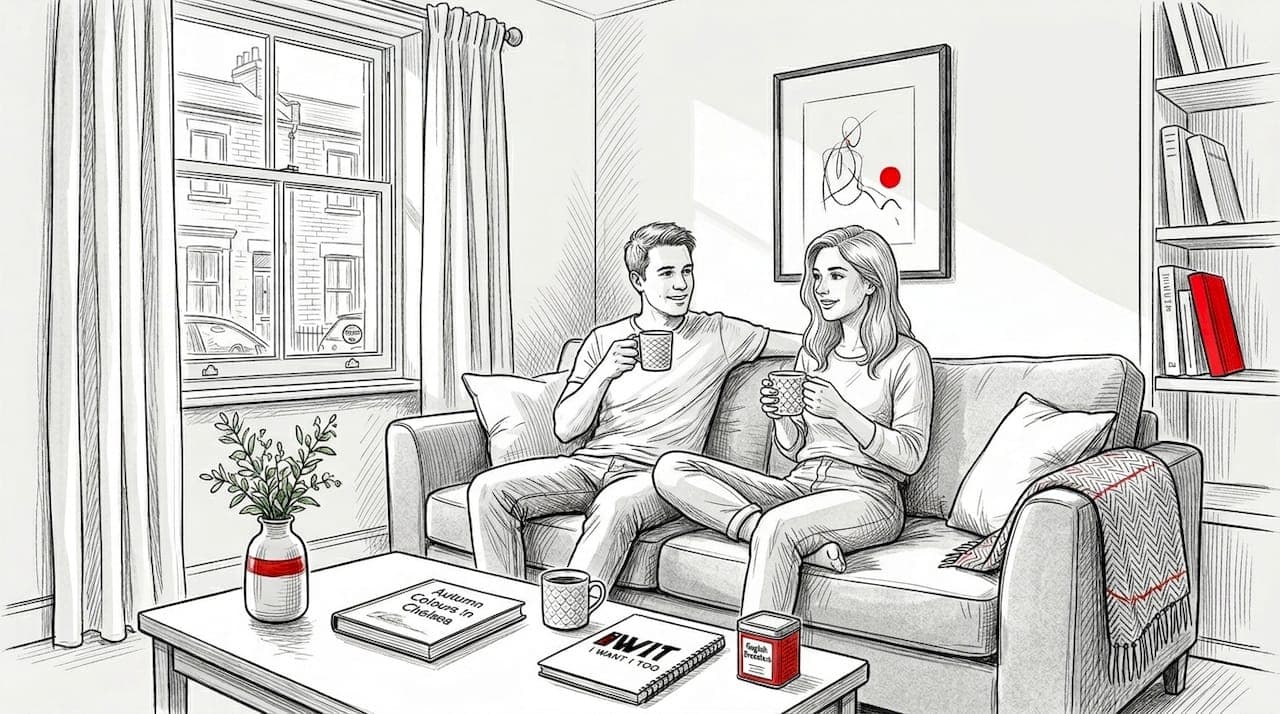
Most of us assume that a home filled with things feels warmer, cosier, and more personal. Yet simplicity in interior spaces can directly reduce stress and restore mental clarity, according to scientific research. That challenges everything we've been told about decorating. This guide walks you through exactly what minimalism décor is, why it works so well for your wellbeing, and how to bring it into your own home without losing warmth or personality. Whether you rent a one-bed flat in Manchester or own a family home in Surrey, less really can become so much more.
Table of Contents
- Defining minimalism décor: What it is (and is not)
- The science behind simplicity: Why minimalism improves wellbeing
- Core features of minimalism décor in UK homes
- Practical steps to achieve minimalism décor at home
- Minimalism décor trends: What's popular in 2026
- Our perspective: What most guides miss about minimalism décor
- Find carefully curated décor essentials for your minimalist home
- Frequently asked questions
Key Takeaways
| Point | Details |
|---|---|
| Minimalism creates calm | Removing clutter lowers stress and helps you relax at home. |
| Core features matter most | Neutral colours, simple shapes and purposeful items define minimalist décor. |
| Practical steps for anyone | Start decluttering one room at a time, focusing on function and joy. |
| Science-backed benefits | Minimalist design is proven to reduce cognitive overload and promote well-being. |
| Trends adapt minimalism | Personalised and eco-friendly choices ensure minimalism keeps its appeal. |
Defining minimalism décor: What it is (and is not)
Now that you know why a calmer space matters, let's break down the essence of minimalism décor and what actually sets it apart from other approaches.
Minimalism décor is the practice of selecting only the items that serve a genuine function or bring real beauty into your home. It is not about stripping rooms bare or living with cold, clinical interiors. Personality, warmth, and comfort are absolutely part of the picture. The difference is that every item earns its place. Nothing sits on a shelf purely out of habit or because you haven't got round to moving it.
A common misconception is that minimalism means white walls, zero ornaments, and furniture that looks uncomfortable. In reality, a minimalist living room might include a deep, cosy sofa, a handful of carefully chosen cushions, a single piece of art on the wall, and a wooden side table. What it won't have is three mismatched throws, a pile of old magazines, and a shelf covered in forgotten knick-knacks. Research confirms that uncluttered design reduces stress markers and supports restoration, which means the approach has genuine benefits beyond just looking tidy.
Understanding how minimalism differs from other styles helps you make better decisions about your own home. Here is a quick comparison:
| Feature | Minimalism | Maximalism | Traditional |
|---|---|---|---|
| Colour palette | Neutral, soft tones | Bold, layered hues | Rich, varied |
| Accessories | Few, purposeful | Many, expressive | Moderate, ornate |
| Furniture | Simple lines, multifunctional | Statement, eclectic | Classic, detailed |
| Focal point | Space itself | Objects and art | Symmetry and pattern |
| Feeling | Calm, open | Energetic, stimulating | Comfortable, familiar |
The key characteristics that define minimalism include:
- Intentionality: Every item is chosen deliberately, not accumulated passively
- Functionality: Furniture and accessories serve a purpose beyond looking nice
- Restraint: Less is placed on show, allowing each piece to breathe
- Quality over quantity: Fewer, better things rather than more, cheaper ones
- Negative space: Empty areas are treated as a design feature, not a mistake
Reading more about how décor and wellbeing are connected can sharpen your instincts for which items truly deserve space in your home.
The science behind simplicity: Why minimalism improves wellbeing
With a clear definition in mind, let's explore the proven benefits of less clutter, starting with the science behind simplicity.
Visual noise is the term designers use to describe the overwhelming effect of too many competing objects in one space. When your eyes have nowhere to rest, your brain stays on low-level alert, consuming mental energy even when you're trying to relax. Minimalist spaces eliminate this problem by giving your vision clear, simple paths to follow.
Attention Restoration Theory, developed by psychologists Rachel and Stephen Kaplan, explains that environments with low stimulation allow the brain to recover from mental fatigue. Calm, ordered spaces trigger this restorative state far more effectively than busy, cluttered ones. This is why sitting in a tidy room often feels genuinely refreshing, not just superficially pleasant.
The numbers back this up. Minimalist design can reduce cognitive overload by up to 22%, supporting mental clarity in everyday life. For anyone working from home, parenting young children, or managing a busy schedule, that reduction is significant and measurable.
| Wellbeing benefit | What it means for your home |
|---|---|
| Lower stress markers | Fewer items on display means less visual processing |
| Improved focus | Clear surfaces support concentration during work |
| Better sleep | Uncluttered bedrooms promote relaxation at night |
| Sense of control | Ordered spaces reduce feelings of being overwhelmed |
| Faster cleaning | Less stuff means your home stays tidy with less effort |
"A room that feels calm to the eye translates directly into a mind that feels calmer too. The environment you live in shapes how you think and feel every single day."
Investing in comfort and style value doesn't require spending more. Sometimes it means spending less but more wisely. And understanding practical home styling principles helps you see that calm and beautiful are not mutually exclusive goals.
Core features of minimalism décor in UK homes
Knowing the benefits, let's identify the key characteristics that define minimalist décor, especially for modern UK homes.
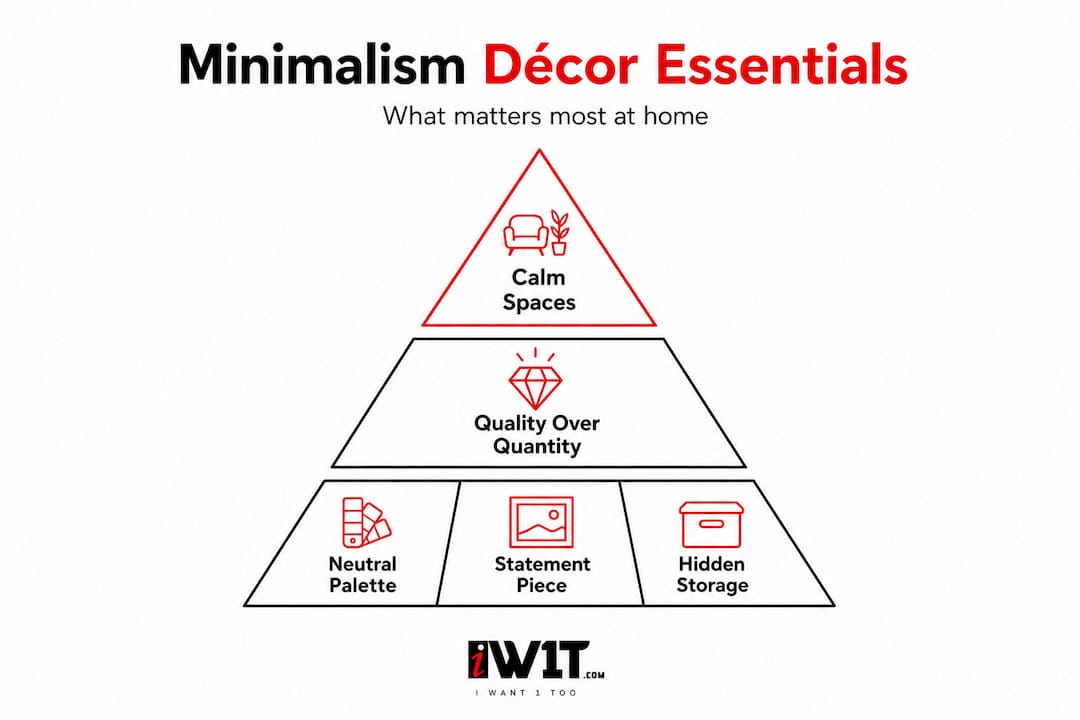
British homes come in all shapes and sizes, from Victorian terraces with high ceilings to new-build flats with compact layouts. Minimalism adapts to all of them. Minimalist décor principles align closely with Zen and transcultural design philosophies, focusing on mental clarity and calmness, which means they carry universal appeal regardless of your floor plan.
Here are the core features to look for and apply:
- Neutral colour palettes: Think warm whites, soft greys, stone, and natural linen tones. These shades make rooms feel larger and more restful without feeling cold. Adding a single accent colour, such as a deep sage green or terracotta, can bring warmth without visual chaos.
- Natural light: Minimalist spaces prioritise daylight. Swap heavy curtains for sheer linen panels. Position mirrors opposite windows to bounce light deeper into the room. Light is a design feature, not just a utility.
- Clean lines in furniture: Choose pieces with simple, geometric shapes. A solid oak dining table with straight legs reads as both functional and beautiful. Avoid ornate detailing that competes for attention.
- Clever storage: Built-in shelving, under-bed drawers, and cabinet storage keep everyday essentials out of sight. A tidy surface is one of the fastest visual wins in any room.
- Purposeful accessories: Choose two or three meaningful items rather than a collection of many. A single sculptural vase, one framed photograph, a well-designed lamp. Each one stands out because it has room to do so.
- Negative space as a design tool: The empty wall, the clear coffee table, the uncluttered windowsill. These are not failures to decorate. They are deliberate choices that give the eye somewhere to rest.
Pro Tip: Stick to one or two statement pieces per room for maximum effect. A large piece of art or a striking light fitting does more for a minimalist room than six smaller items scattered across surfaces.
Exploring ideas for stylish décor for comfort can help you identify the pieces worth investing in. And if you want to understand how form and function work together, looking into practical living décor gives you a strong foundation.
Practical steps to achieve minimalism décor at home
With the main features understood, let's move to the practical steps to bring minimalism décor into your own flat or house.
The first mistake most people make is trying to transform the entire home at once. It's overwhelming, and the result is usually a half-finished project that makes the space feel worse, not better. Step-by-step decluttering is supported by design research for optimal focus and restorative effects. Start small and build momentum.
Follow these steps in order:
- Choose one high-traffic room to start. Your living room or bedroom will have the biggest impact on daily wellbeing. Focus there first before tackling storage rooms or spare bedrooms.
- Declutter before you redecorate. Remove everything from surfaces and shelves. Place items into three piles: keep, donate, and discard. Be honest. If something hasn't been used or noticed in six months, it probably doesn't belong.
- Edit your furniture ruthlessly. Does your room actually need that extra armchair, the second side table, or the decorative chest? Each piece of furniture takes up both physical and visual space. Keep only what earns its place.
- Address storage first. Invest in storage solutions that hide clutter rather than display it. Baskets with lids, ottomans with internal storage, and wall-mounted shelves with a small number of curated objects all help enormously.
- Reintroduce items slowly. Don't put everything back. Return only the pieces you identified as meaningful or functional. Place them thoughtfully rather than filling every surface.
- Maintain the discipline. The real work of minimalism is ongoing. When something new comes in, something old should leave.
Pro Tip: Set a three-item-per-surface rule. No windowsill, shelf, or table should hold more than three objects at any one time. It's a simple rule that prevents slow accumulation of clutter over weeks and months.
For more inspiration on how these steps come together, browsing home décor ideas tailored to UK spaces is a great starting point. Learning to select accessories for comfort means every item you keep will actively contribute to the room. And exploring curated home décor options gives you ready-made guidance on what works in British interiors.
Minimalism décor trends: What's popular in 2026
Once you've begun simplifying your living space, it helps to tune in to the latest trends in minimalist décor for UK homes.
Minimalism is never static. It evolves with cultural shifts and new ideas about how we want to live. Minimalism décor remains influential, with new trends in 2026 focusing on sustainable materials and soft textures that add depth without adding clutter.
Here are the trends shaping minimalist homes right now:
- Biophilic design: Bringing the outside in remains one of the strongest influences in minimalist spaces. A single statement plant, a vase of dried grasses, a wooden bowl, or a stone ornament connects your home to the natural world without adding visual noise. This trend prioritises authenticity over artificiality.
- Personalised minimalism: The idea that minimalism must look identical in every home is fading fast. People are mixing heritage pieces with modern furniture, combining a grandmother's ceramic with a sleek contemporary shelf. Individual character is welcomed, so long as it is deliberate.
- Tactile and soft furnishings: Where early minimalism favoured hard surfaces and stark lines, 2026 embraces texture. Boucle cushions, chunky knit throws, linen curtains, and ribbed ceramics all add warmth and interest without cluttering the eye.
- Sustainable and eco-conscious choices: British homeowners are increasingly choosing pieces made from reclaimed wood, recycled glass, organic cotton, and natural stone. Sustainability and minimalism are natural allies. Buying fewer, better things from ethical sources is good for both your home and the planet.
- Warm neutrals replacing stark whites: The cold white minimalist look is giving way to warmer shades, including sand, warm taupe, clay, and soft terracotta. These tones feel more inviting and work better in UK homes where natural light is often limited.
Keeping up with décor trends for 2026 ensures your minimalist choices feel fresh and well-considered, not dated or overly severe.
Our perspective: What most guides miss about minimalism décor
Most articles about minimalism focus almost entirely on the visual side. Remove this, swap that, buy a matching set. But the hardest part of creating a truly minimalist home has nothing to do with shopping or tidying. It is the emotional work.
Many guides overlook the emotional aspect of letting go of possessions. Objects carry memory, identity, and sentiment. The coffee mug from your first flat, the ornament a relative brought back from holiday, the bookcase you've owned since university. Letting these go can feel like erasing part of yourself. That's why so many people start a declutter enthusiastically and stop halfway through.
We believe the most honest approach to minimalism acknowledges this tension directly. You don't need to throw out everything with sentimental value. What you do need to do is ask a more precise question: does this item actively enrich my daily life, or am I keeping it out of guilt, habit, or fear? There is a real difference between the two.
A truly minimalist home also adapts over time. Your life changes. You move, have children, change jobs, discover new hobbies. A minimalist interior should flex to match that reality, not remain frozen as a replica of a magazine shoot. The purpose of décor is to support how you actually live, not to perform a lifestyle for other people's approval.
Our genuine tip is this: prioritise pieces that serve a clear purpose or bring you joy on an ordinary Tuesday morning, not just when guests come round. Even if those pieces are worn, imperfect, or unconventional, they have more right to be in a minimalist home than a dozen pristine objects you feel nothing for.
Find carefully curated décor essentials for your minimalist home
Ready to bring these principles into your own space with a little extra help? At IW1T, we handpick décor that balances style, function, and simplicity, designed with real UK homes in mind.

Browse our curated collection to find accessories, storage solutions, and statement pieces that complement a minimalist approach without compromising on warmth or personality. As a family-run business, we understand that your home should work for you every single day. Whether you're looking for a single well-chosen accent piece or practical storage that keeps surfaces clear, IW1T offers thoughtfully selected options delivered with care and discretion. Explore our range and find the essentials that make your minimalist home feel genuinely yours.
Frequently asked questions
What is the main goal of minimalism décor?
Minimalism décor aims to create calm, functional spaces by using only essential and beautiful objects, reducing clutter and visual noise. Simplicity and uncluttered design are directly linked to stress reduction and restorative effects.
Is minimalism décor suitable for family homes?
Yes, minimalism décor works very well for families by focusing on clever storage and easy-to-maintain spaces, supporting both comfort and organisation. Minimalism and storage support clarity and comfort across a wide range of living situations.
How do I start making my home more minimalist?
Begin by decluttering one area at a time, keeping only useful or meaningful pieces, and gradually adopting clean lines and clear surfaces. Step-by-step decluttering is supported by design research for the best and most sustainable results.
Are minimalist interiors always white and empty?
No, minimalist spaces can use soft colours, texture, personal items, and warmth. It is about intentionality and uncluttered design, not sterility, and there is plenty of room for individuality within the approach.
Does minimalist décor go out of style?
Minimalism endures because it adapts to new trends and personal tastes, remaining timeless by prioritising quality and function. Minimalism remains influential and continues to evolve alongside changing cultural and design priorities.