
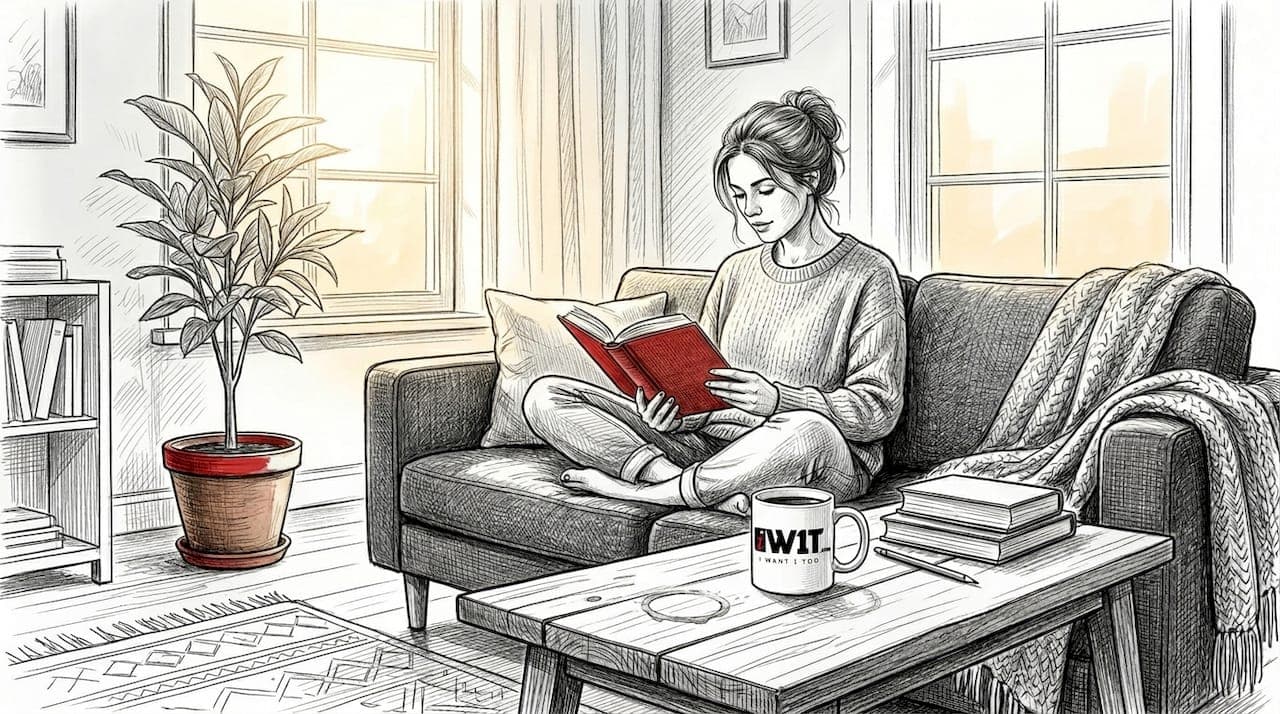
Walk into a room where everything has been chosen with care and you feel it immediately. The atmosphere settles around you. Nothing jars, nothing looks out of place, and the space just works. For many UK homeowners and renters, that feeling remains frustratingly out of reach, not because good taste is rare, but because the market is flooded with cheap, poorly made options that look appealing in photographs and disappoint within months. Understanding the real advantages of quality home décor changes how you shop, how you spend, and ultimately how you live.
Table of Contents
- How quality home décor makes a measurable difference
- Durable furniture: investing in long-lasting pieces
- Eco-friendly quality décor: health and environmental benefits
- How quality décor enhances comfort and style
- Comparing quality and low-cost décor: cost-effectiveness and wellbeing
- Our honest view on quality versus fast furnishing
- Upgrade your space with IW1T
- Frequently asked questions
Key Takeaways
| Point | Details |
|---|---|
| Durability matters | Quality home décor lasts longer, reducing replacement frequency and overall costs. |
| Health benefits | Low-VOC and natural materials improve indoor air quality and support wellbeing. |
| Style with restraint | Fewer, well-chosen pieces create a more elegant and comfortable atmosphere. |
| Cost-effectiveness | Investing upfront in quality pays off over time with better value and satisfaction. |
How quality home décor makes a measurable difference
Before investing in anything, it helps to know what you're actually looking for. Quality in home décor is not simply a matter of price. Expensive does not always mean well made, and affordable does not always mean poor. The difference lies in materials, construction, and finishes.
When assessing furniture and furnishings, prioritise these factors:
- Material honesty: Solid wood, particularly hardwoods like oak or beech, outperforms engineered board in structural integrity and lifespan. Look for pieces described as solid rather than veneered or composite.
- Joinery method: Screwed or dowelled joints hold far longer than stapled or glued-only construction. Turn a chair upside down and examine how the legs connect to the frame.
- Upholstery density: High-resilience foam rated above 1.8 lbs per cubic foot maintains its shape far longer than low-density alternatives. Ask retailers for foam density specifications if they're not listed.
- Surface finishes: Low-VOC solid wood furniture reduces chemical exposure, particularly relevant in bedrooms where you spend roughly a third of your life.
- Weight as a signal: Genuinely well-built pieces feel substantial. Lightweight furniture almost always signals shortcuts in material or construction.
Pro Tip: Bring a small magnet when shopping for metal décor or hardware. Real wrought iron and solid brass will respond differently to plated or hollow alternatives, helping you spot quality instantly.
These criteria also connect to your practical home styling choices. Once you know how to identify quality, you start finding it at a range of price points, and you stop wasting money on items that look fine on day one but age badly. Explore some practical home styling tips to put these principles into action from the start.
Durable furniture: investing in long-lasting pieces
Quality criteria are only useful if they lead you to better decisions. So what does choosing durability actually look like in practice?
Here are the key steps to building a durable furniture investment:
- Start with anchor pieces. Prioritise the sofa, dining table, and bed frame. These items absorb the most daily use and are the most expensive to replace frequently.
- Choose solid oak or hardwood for case furniture. Solid oak furniture lasts 50 to 100 years or more, whereas composite or laminate pieces typically need replacing every decade, making oak five times more cost-effective across its lifetime.
- Invest in a hardwood-frame sofa. Hardwood-frame sofas last 8 to 15 years or more, significantly outlasting cheaper models that may need replacing every 3 to 5 years.
- Verify the cushion filling. High-resilience foam or a down-and-fibre blend maintains comfort far longer than standard polyurethane foam, which sags and flattens within a few years.
- Consider repairability. Quality pieces can often be reupholstered, refinished, or repaired rather than discarded. This matters both financially and environmentally.
| Furniture type | Quality option | Typical lifespan | Budget option | Typical lifespan |
|---|---|---|---|---|
| Dining table | Solid oak | 50 to 100+ years | Laminate/MDF | 5 to 10 years |
| Sofa | Hardwood frame | 8 to 15+ years | Softwood/metal frame | 3 to 5 years |
| Bed frame | Solid hardwood | 20 to 30+ years | Particleboard | 5 to 8 years |
| Bookcase | Solid wood | 25+ years | Flat-pack laminate | 5 to 10 years |
Pro Tip: When buying a sofa, sit in it for at least five minutes in-store. Budget models often feel fine initially but lack the structural support that becomes obvious only after extended sitting. Quality frames do not flex or creak under normal body weight.
Beyond the financial argument, there is an environmental one. Replacing a cheap sofa twice in a decade generates far more landfill waste than maintaining a single well-built piece. Durable furniture is, quietly, one of the most sustainable choices you can make. Read more about home décor comfort and value and how durability fits into a longer-term approach to your living space.
Eco-friendly quality décor: health and environmental benefits
Beyond durability, the materials inside your home directly affect the air you breathe. Many people are surprised to discover that indoor air quality can be significantly worse than outdoor air, largely because of volatile organic compounds (VOCs) released by synthetic materials, MDF board, and low-grade paints.
Choosing quality, eco-conscious décor addresses this directly:
- Natural fibre rugs made from wool, jute, or sisal release no synthetic chemicals and last 20 years or more, compared to synthetic alternatives which typically last 5 to 7 years. The same source notes that LED lighting uses 90% less energy than incandescent bulbs and lasts 25 times longer.
- Solid wood furniture with low-VOC finishes is particularly important in sleeping environments. Low-VOC furniture improves indoor air quality and directly benefits those with allergies or respiratory sensitivities.
- Beeswax or plant-based polishes for wood furniture replace petroleum-based products that off-gas over time.
- Linen and organic cotton soft furnishings avoid the chemical treatments applied to conventionally grown synthetic textiles.
- LED lighting throughout reduces energy bills substantially. In a typical UK home, switching entirely to LED reduces lighting energy consumption by up to 80%.
"The most meaningful upgrades to a home often go unseen. Cleaner air, better sleep, and fewer headaches are invisible until you notice their absence." This is why the importance of quality décor extends well beyond appearances.
The eco-conscious home décor ideas available to UK shoppers have expanded considerably in recent years, making it easier than ever to align aesthetics with health and environmental responsibility simultaneously.
How quality décor enhances comfort and style
Health and sustainability matter, but let's be honest: most of us also simply want our homes to feel beautiful. The good news is that quality and style reinforce each other. The principles that make a piece durable also tend to make it more visually satisfying.
Consider how the following choices contribute to both comfort and aesthetics:
- Soft, neutral colour palettes on walls and large furniture pieces open up a room, reflect natural light, and create a calming atmosphere. Muted tones like warm stone, chalk white, and soft sage tend to age far better than trend-led colours.
- Fewer, larger pieces outperform clusters of small, cheap items. One well-proportioned sofa in a quality fabric looks more considered than three mismatched budget options.
- Texture layering adds depth without visual noise. Combine wood, linen, ceramics, and brushed metal to create warmth that feels organic rather than deliberate.
- Warm, layered lighting transforms a room's atmosphere more than almost any other single change. A combination of floor lamps, table lamps, and dimmable ceiling lighting gives you far more control over mood than a single overhead fitting.
- Restraint in decoration is itself a quality signal. Luxury in home décor lies in using muted tones and fewer, well-crafted pieces to create a composed, elegant feel.
Pro Tip: Before adding anything new to a room, remove something first. Living with slightly less for a week often reveals which pieces genuinely earn their place and which are simply occupying space.
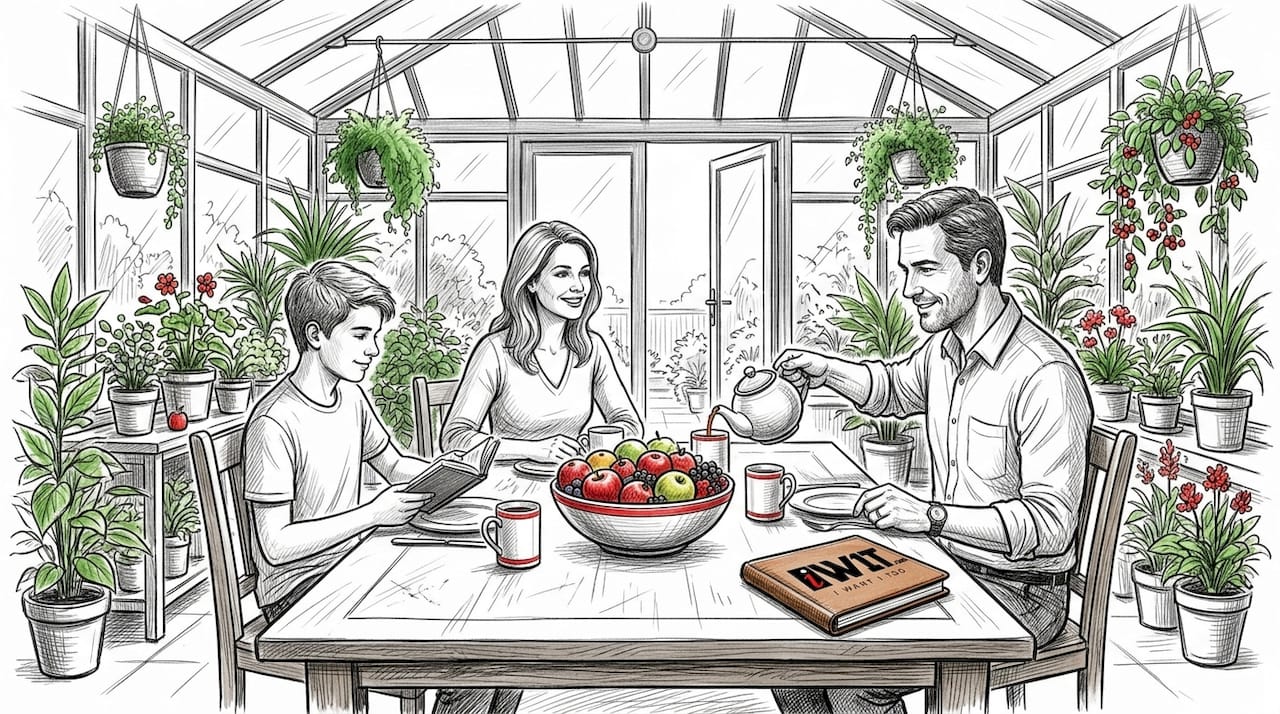
The impact of décor on mood is well documented in interior design research. Rooms with natural light, warm tones, and tactile materials consistently score higher for occupant wellbeing and perceived comfort. This is why the advantages of good interior design go beyond aesthetics; they shape how rested, productive, and happy you feel at home. For more on creating rooms that genuinely work for you, see stylish décor for comfort.
Comparing quality and low-cost décor: cost-effectiveness and wellbeing
To bring everything together, here is a direct comparison across the dimensions that matter most to UK homeowners and renters.
| Factor | Quality décor | Low-cost décor |
|---|---|---|
| Initial cost | Higher upfront | Lower upfront |
| Lifespan | 15 to 100+ years | 3 to 10 years |
| Annual cost | Lower over time | Higher when replacements factored in |
| VOC exposure | Low (natural or low-VOC materials) | Higher (synthetics, MDF, cheap paint) |
| Repairability | Often repairable or refinished | Usually disposable |
| Environmental impact | Lower waste, sustainable materials | Higher landfill contribution |
| Style longevity | Timeless; ages well | Trend-dependent; dates quickly |
| Comfort | Higher (better foam, joinery, material) | Declines faster |
The numbers are clear. Solid oak furniture offers five times the cost-effectiveness of laminated alternatives across a full lifetime of use. And well-built sofas lasting 8 to 15 years versus 3 to 5 years for budget versions represent a direct reduction in both annual cost and the inconvenience of repeated replacement.
The wellbeing argument is equally compelling. Low-VOC materials, natural fibres, and quality lighting are not indulgences. They are choices that reduce daily chemical exposure, improve sleep, and make your home a genuinely restorative place to be.
- Quality décor rewards patience. The best pieces often require saving for, but they stop requiring replacement.
- Natural materials age gracefully. A solid oak table looks better at twenty years than a laminate one does at two.
- Quality and home value are linked. Well-presented, durable interiors photograph better and make stronger impressions when it comes to selling or letting a property.
Explore the fuller home wellbeing benefits of investing thoughtfully in your living environment.
Our honest view on quality versus fast furnishing
The furniture and décor industry has a vested interest in you replacing things often. Fast-furnishing brands have made disposability feel normal, even sensible. We disagree, and not simply because the maths favour quality.
There is something genuinely important lost when your home is filled with items you never quite believed in. Objects that were chosen reluctantly because the good version cost more. Rooms that look fine in photographs but feel thin and temporary in person. That feeling accumulates. It is the opposite of the sense of care and permanence that quality décor creates.
The uncomfortable truth is that buying cheap usually costs more in the long run, in money, in environmental waste, and in the quiet dissatisfaction of living with things that were never quite right. The value of quality home styling is not abstract. It is present every morning when you wake up in a room that works, every evening when your sofa still supports you the way it did a decade ago, and every time a guest walks in and the space speaks for itself.
We are not saying you need to spend a fortune. We are saying spend intentionally. One excellent piece purchased with conviction will always beat five mediocre ones purchased out of compromise. Does quality décor improve lifestyle? Every piece of evidence, practical and emotional, says yes.
Upgrade your space with IW1T
At IW1T, we understand that building a home you genuinely love takes both inspiration and the right products. As a family-run UK business, we have carefully curated our home décor and lifestyle range to prioritise quality, comfort, and style that lasts.

Whether you are starting from scratch or refreshing an existing room, our home décor collection includes pieces chosen for their durability, aesthetic value, and practical function. From lighting and textiles to home improvement essentials, each item is selected with the same standards outlined in this article: materials that last, finishes that are safe, and designs that feel considered rather than throwaway. Browse our range at IW1T and find the pieces that will genuinely work for your home.
Frequently asked questions
What makes home décor 'quality' versus low-cost options?
Quality décor uses durable materials like solid wood, features superior craftsmanship such as robust joinery, and employs low-VOC finishes that reduce chemical exposure, particularly in bedrooms, making it longer lasting and healthier to live with indoors.
How much longer does solid oak furniture last compared to cheaper materials?
Solid oak lasts 50 to 100 years or more, whereas cheaper composite or laminate pieces often need replacement every decade, making oak around five times more cost-effective across a full lifetime of use.
Does investing in eco-friendly décor really improve indoor air quality?
Yes. Choosing low-VOC and natural materials like solid wood and natural fibre rugs significantly reduces toxic chemical exposure, and low-VOC furniture in particular benefits allergy sufferers and those with respiratory sensitivities by improving the air they breathe daily.
Can quality décor make my home look more stylish without expensive spending?
Absolutely. Focusing on fewer well-made pieces, muted tones and well-crafted items alongside layered textures and warm lighting creates a luxurious, composed feel that does not require an outsized budget to achieve.