
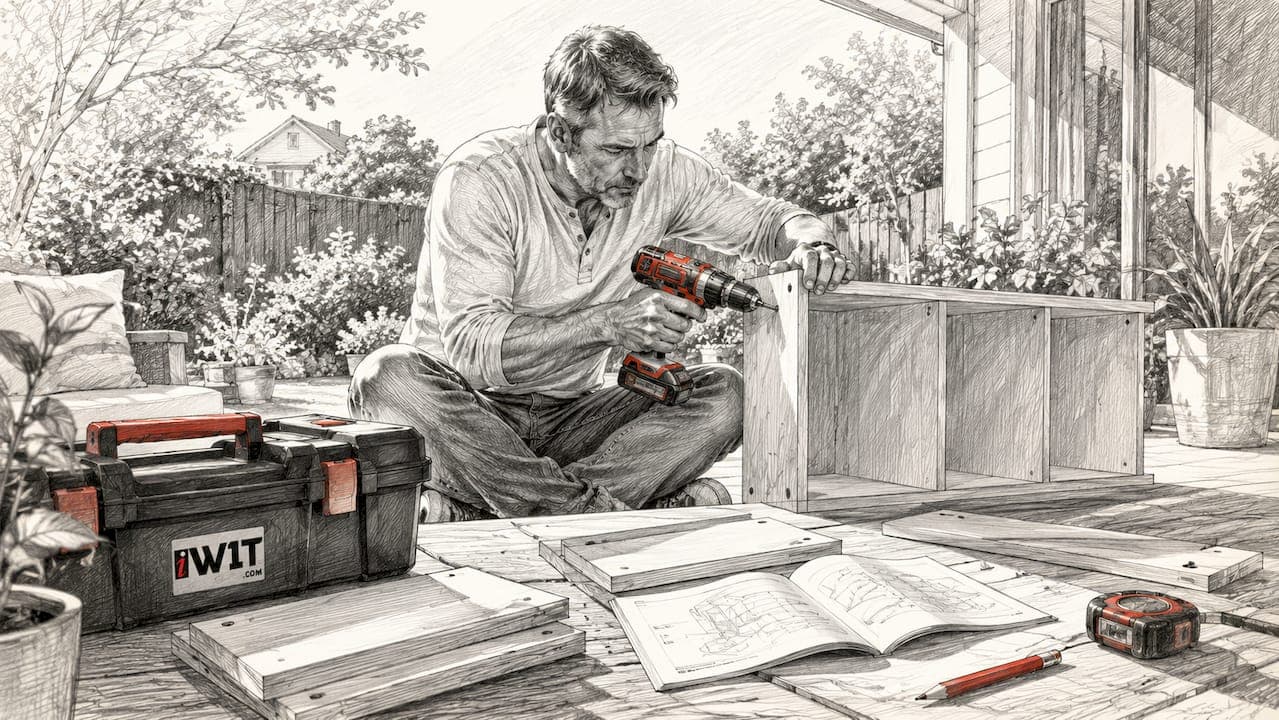
Investing in quality home tools means choosing durability, precision, and long-term savings over short-term cost-cutting. Quality home tools are defined by tight manufacturing tolerances, wear-resistant materials, and consistent performance across hundreds of uses. Brands such as Festool, DeWalt, and Veritas have built reputations on exactly these properties. The core argument for why invest in quality home tools is straightforward: a well-made drill, chisel, or circular saw costs more upfront but delivers fewer failures, less rework, and better results across every project you tackle at home.
Why invest in quality home tools: the real advantages
The most direct benefit of quality tools is that they do not degrade silently. Cheap tools fail gradually, producing misaligned holes and uneven cuts that accumulate into hours of wasted time across a single project. That slow drift is far more damaging than a sudden breakage, because you often do not notice it until a shelf sits crooked or a door frame refuses to close properly.
Precision is where the gap between budget and quality tools becomes most visible. A saw blade with excessive runout leaves a rougher kerf, forcing you to sand or plane the surface afterwards. A quality chisel from Veritas or Two Cherries holds its edge geometry through repeated use, meaning your mortises stay clean and your joints fit without shimming. Tight tolerances and wear-resistant materials translate directly into fewer mistakes and less material waste on every job.
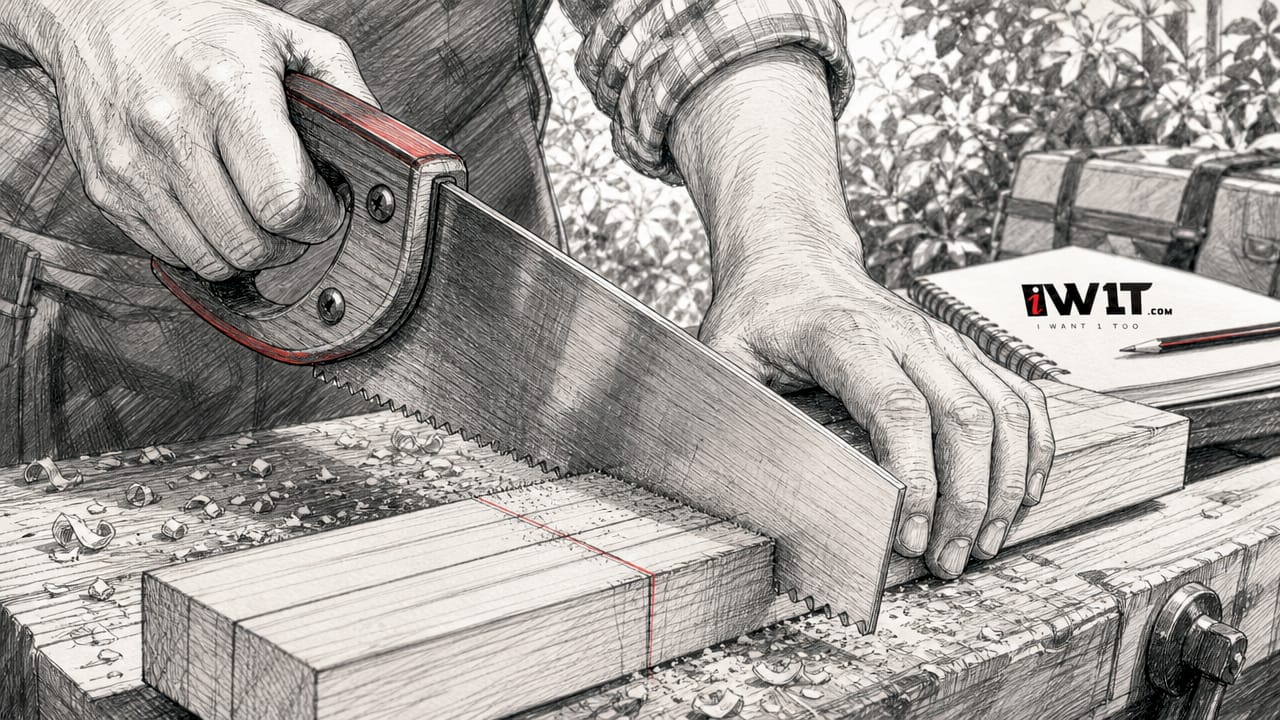
Safety is a less-discussed but equally important advantage. A drill bit that slips under load, or a saw guard that sticks, creates real risk. Professional-grade tools are engineered to perform reliably under stress, which reduces the chance of the tool behaving unpredictably mid-cut. For homeowners working alone without a second pair of hands, that reliability matters enormously.
There is also a cognitive benefit that rarely appears in buying guides. Low-quality tools cause incremental performance drift that demands constant mental correction. You compensate, adjust, and second-guess every cut. Quality tools reduce that mental load, letting you focus on the project rather than fighting the equipment.
Pro Tip: When assessing a tool's quality in a shop, check the fit of moving parts by hand. Loose chuck jaws, wobbly blade guards, or rough gear action are reliable indicators of poor manufacturing tolerances before you even plug it in.
How does total cost of ownership compare for quality vs budget tools?
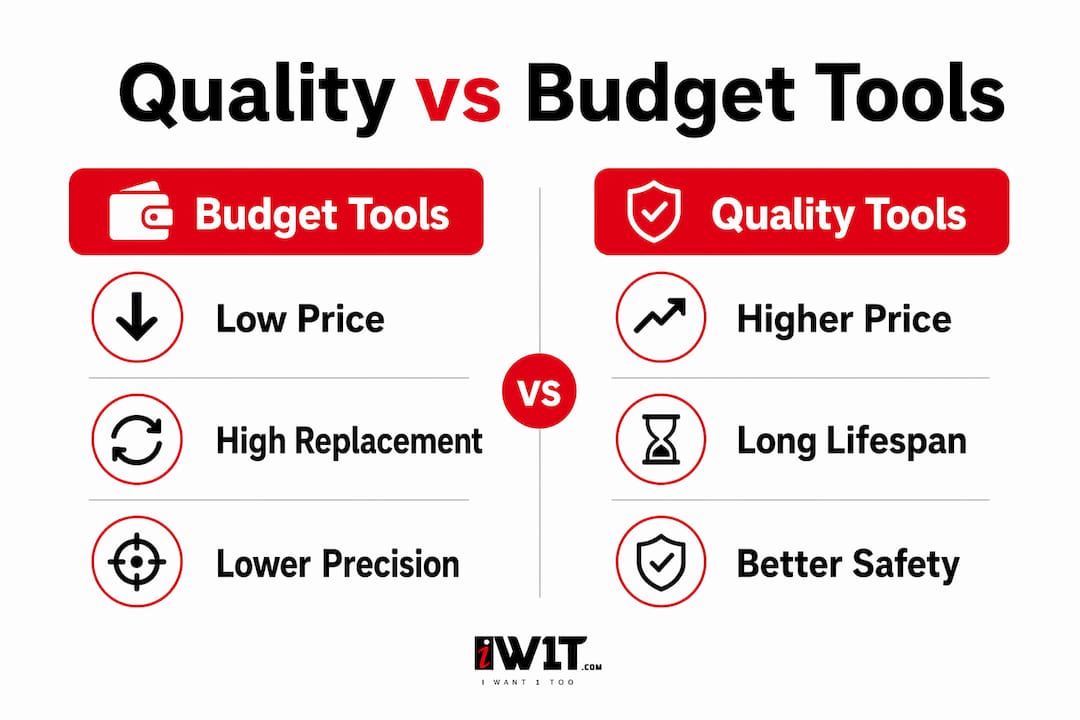
The sticker price is the smallest part of what a tool actually costs you. Total cost of ownership (TCO) includes purchase price, maintenance, replacement parts, wasted materials from poor results, and the time lost to rework. When you account for all of these, a £30 budget drill that needs replacing every two years often costs more over a decade than a £120 quality alternative that lasts ten years with minimal maintenance.
Pro-grade tools are frequently rebuildable, which extends their working life significantly. A DeWalt or Makita drill can have its brushes, chuck, or battery replaced rather than being discarded entirely. Budget tools are typically sealed units with no serviceable parts, meaning the entire tool goes to landfill when one component fails. That disposal cost, both financial and environmental, belongs in your calculation.
The table below compares the lifetime costs of a typical budget cordless drill against a quality alternative over a ten-year period.
| Cost factor | Budget drill (£30 unit) | Quality drill (£120 unit) |
|---|---|---|
| Purchase price | £30 | £120 |
| Replacements over 10 years | 4 units = £120 | 0 replacements = £0 |
| Maintenance and parts | £0 (non-serviceable) | £20 (brushes, chuck) |
| Wasted materials from rework | Est. £60 | Est. £10 |
| Total 10-year cost | £210 | £150 |
The figures above are illustrative, but they reflect the pattern that lifetime expenses dominate the true cost of tool ownership. The quality drill saves roughly £60 over ten years while delivering consistently better results throughout.
Pro Tip: Before buying any power tool, search for its spare parts availability online. If you cannot find replacement brushes, chucks, or batteries within two minutes, treat the tool as disposable and factor that into your budget.
What technical features actually make a tool last longer?
The engineering behind quality tools is not marketing language. It is measurable. Cutting edge preparation techniques such as brushing and polishing reduce surface roughness by 30% and extend drill life by 50% compared to unprepared edges. That single manufacturing step, invisible to the buyer, determines how quickly a drill bit dulls under repeated use.
Wear-resistant materials are the other key variable. High-speed steel (HSS) drill bits from manufacturers such as Bosch or Dormer use specific alloy compositions and heat treatments that maintain hardness at elevated temperatures. Budget bits use softer steel that loses its temper quickly, blunting after a fraction of the use. The difference is not visible until the bit starts wandering or burning the material.
The table below summarises the key technical features that separate quality tools from budget alternatives.
| Technical feature | Quality tools | Budget tools |
|---|---|---|
| Manufacturing tolerance | Tight (±0.01mm) | Loose (±0.1mm or more) |
| Cutting edge preparation | Brushed and polished | As-ground, no preparation |
| Material hardness | High-alloy, heat-treated | Standard steel, minimal treatment |
| Geometry retention | Maintained through repeated use | Degrades rapidly under load |
| Serviceability | Rebuildable with spare parts | Sealed, disposable units |
Precision outcomes depend on geometry retention during repeated use, not just the initial specification. A drill bit that starts sharp but loses its geometry after twenty holes is no better than a blunt bit for the twenty-first. Quality tools maintain their effective geometry far longer, which is why the performance gap widens the more you use them. For homeowners tackling home improvement projects regularly, this compounding advantage is significant.
When should you buy quality tools vs rent or buy cheaper?
Not every tool in your collection warrants a premium investment. The decision framework is straightforward once you apply it consistently.
-
Use frequency is the primary filter. The break-even point for buying versus renting common home tools is approximately two to four uses. If you will reach for a cordless drill every month, buying a quality unit pays for itself quickly. If you need a tile cutter once for a bathroom renovation, renting is almost always the better choice.
-
Project quality requirements matter. A quality circular saw from Festool or Makita produces cleaner, more accurate cuts than a budget equivalent. If your project involves visible joinery, fitted furniture, or precise tiling, the quality tool directly affects the finished result. For rough groundwork or demolition, a budget tool may be entirely adequate.
-
Consider the battery ecosystem. Platform compatibility reduces total ownership costs significantly. Buying a second DeWalt or Makita tool that shares batteries and chargers with tools you already own costs less in practice than its ticket price suggests. Mixing platforms means buying duplicate batteries and chargers, which erodes the savings from choosing a cheaper brand.
-
Assess the consequences of failure. A budget jigsaw that vibrates excessively is an inconvenience on a rough cut. The same tool used to cut a kitchen worktop or a stair tread produces a result you will look at every day. Match the tool quality to the visibility and permanence of the outcome.
-
Think about the DIY tools in your lifestyle as a system, not a collection of individual purchases. Frequency of use is the deciding factor for whether investment pays off. A curated set of five quality tools you use regularly will outperform a drawer full of budget tools you distrust.
The practical conclusion is to invest heavily in the tools you reach for most often, rent the specialist equipment you need occasionally, and resist the urge to fill gaps in your toolkit with cheap substitutes that will underperform from the first use.
Key takeaways
Quality home tools deliver lower lifetime costs, better project outcomes, and less wasted time than budget alternatives, making them the smarter investment for any homeowner who uses tools regularly.
| Point | Details |
|---|---|
| TCO beats sticker price | A £120 quality drill costs less over ten years than four £30 replacements. |
| Precision reduces rework | Tight tolerances and edge preparation prevent the gradual drift that wastes hours per project. |
| Break-even is 2 to 4 uses | Buying quality pays off quickly for tools you use regularly; rent for occasional specialist tasks. |
| Battery ecosystems save money | Sticking to one platform avoids duplicate charger and battery purchases across your toolkit. |
| Technical quality is measurable | Edge preparation alone extends drill life by 50%, validating the premium beyond marketing claims. |
The case for buying fewer, better tools
I have spent years watching homeowners make the same mistake: filling a toolbox with budget purchases and then spending twice as long on every project compensating for tools that do not perform. The frustration is real, but the hidden cost is the time. Hours correcting misaligned cuts, redrilling stripped holes, and sanding rough edges that a quality tool would never have produced in the first place.
The shift in thinking that actually changes results is treating your tool collection as a long-term investment rather than a series of one-off purchases. A quality chisel from Two Cherries, properly maintained, will outlast a dozen budget equivalents and still be sharp enough to pass on. That is not sentimentality. It is economics.
What I find most homeowners underestimate is the mental cost of fighting bad tools. When a drill wanders or a saw binds, you do not just lose time. You lose confidence in the project. Quality tools give you accurate feedback and predictable results, which makes you a better, more ambitious DIYer over time.
My honest recommendation is to start with the three tools you use most often and buy the best versions of those you can afford. A quality cordless drill, a sharp handsaw, and a reliable spirit level will transform the quality of everything you build at home. Add to that foundation deliberately, not impulsively, and your toolkit will serve you for decades.
— Scott
Find quality home tools at Iw1t
Iw1t is a family-run UK online store with a carefully curated range of quality home tools and accessories chosen for practical performance and lasting value. Every product in the home improvement range is selected with the same logic this article outlines: durability, precision, and genuine long-term worth. Whether you are building out your first toolkit or replacing a budget tool that has let you down once too often, Iw1t offers a straightforward, trustworthy shopping experience with discreet delivery. Browse the full range at iw1t.com and invest in tools that will still be performing years from now.
FAQ
Why do quality tools save money in the long run?
Quality tools have a lower total cost of ownership because they require fewer replacements, produce less material waste through rework, and are often rebuildable with spare parts. A quality drill costing £120 typically costs less over ten years than repeatedly replacing a £30 budget equivalent.
How often do you need to use a tool before buying quality is worth it?
The break-even point for buying versus renting is approximately two to four uses for common home tools. If you reach for a tool more than four times a year, investing in a quality version almost always costs less than renting repeatedly.
What technical features should I look for in a quality tool?
Look for tight manufacturing tolerances, wear-resistant alloy steel, and evidence of cutting edge preparation such as brushed or polished edges. These features maintain the tool's geometry through repeated use, which is what separates lasting performance from rapid degradation.
Is it worth sticking to one power tool brand?
Staying within a single platform such as DeWalt or Makita reduces total ownership costs because batteries and chargers are shared across tools. Mixing brands means buying duplicate accessories, which erodes the savings from choosing a more affordable option.
Are professional-grade tools necessary for home DIY projects?
Professional-grade tools are not always necessary, but they are worth the investment for tools you use frequently or for projects where the finish quality is visible and permanent. For occasional specialist tasks, renting is a more cost-effective choice than buying professional-grade equipment outright.