
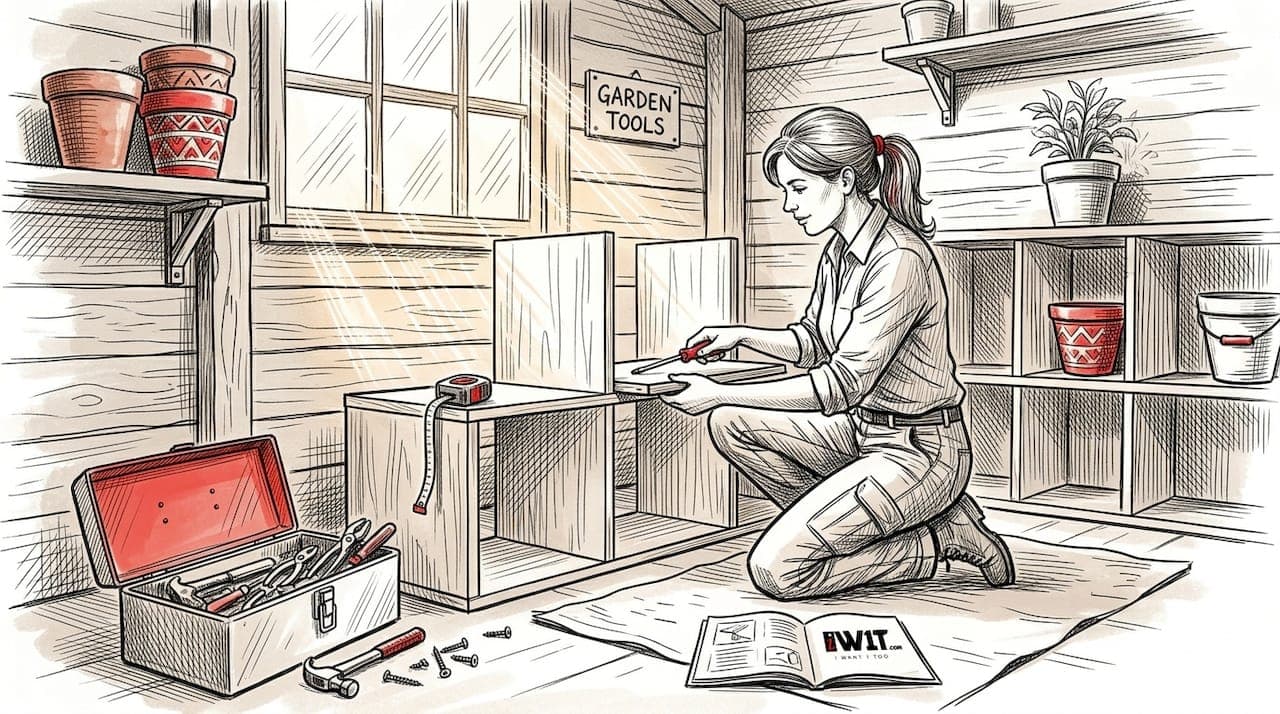
The role of DIY tools in lifestyle has shifted dramatically over the past decade. What was once the territory of tradespeople and weekend warriors with sheds full of inherited equipment is now a mainstream pursuit. The global power tools market was valued at US$36.6 billion in 2026 and is projected to reach US$47.6 billion by 2032, driven largely by a surge in DIY culture and the rise of cordless technology. Tools are more accessible, more user-friendly, and more relevant to everyday life than ever before. Whether you are fixing a leaky shelf bracket, building furniture from scratch, or refreshing your home décor, the right tools make the difference between frustration and genuine satisfaction.
Table of Contents
- Key takeaways
- The role of DIY tools in lifestyle projects
- Why DIY tools build more than shelves
- How digital tools work alongside physical ones
- Choosing, maintaining, and organising your tools
- DIY tools in action: real-life examples
- My honest take on what tools actually change
- Ready to build your toolkit with Iw1t?
- FAQ
Key takeaways
| Point | Details |
|---|---|
| Tools serve more than function | DIY tools build confidence, creativity, and self-reliance alongside practical home improvements. |
| Quality beats cheap every time | Investing in reliable tools from the start prevents costly mistakes and repeated purchases. |
| Build your toolkit gradually | Start with project-specific tools and expand purposefully to avoid unnecessary spending. |
| Digital inspiration drives real results | Visual platforms like Pinterest can boost project motivation by up to 40% when used alongside physical tools. |
| Maintenance extends tool life | Proper storage and care keeps tools performing well and your workspace running efficiently. |
The role of DIY tools in lifestyle projects
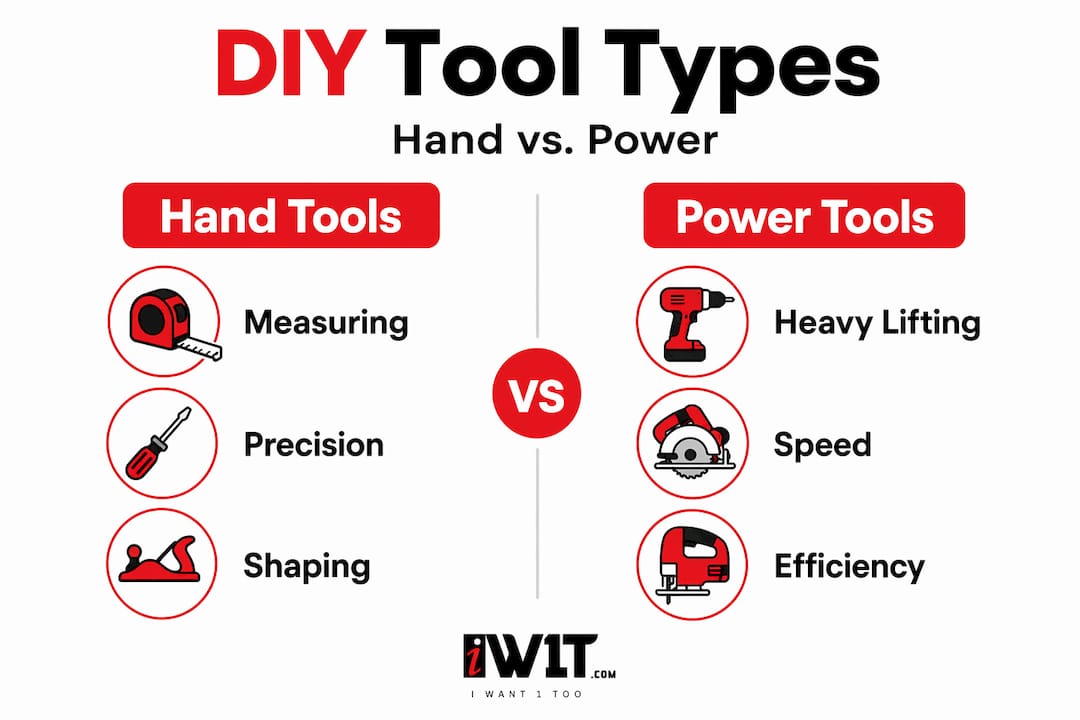
Understanding what is the role of DIY tools starts with recognising the sheer variety available and how each type serves a different purpose. Grouping them broadly into hand tools, power tools, and specialist equipment helps clarify which tool belongs in which situation.
Hand tools are the foundation. Hammers, screwdrivers, chisels, tape measures, and spirit levels are the workhorses of any toolkit. Accurate measuring tools are vital for quality DIY results, saving time by preventing the kind of costly mistakes that come from guesswork. A tape measure and spirit level are not optional extras. They are the difference between a shelf that looks right and one that actually is.
Power tools take on the heavier lifting. Drills, jigsaws, circular saws, and sanders reduce physical effort and dramatically cut project time. 18V cordless tools with brushless motors offer the best balance of runtime and power for most home projects, and their popularity has grown precisely because they remove the need for trailing cables and dedicated workshop space.
Specialist tools serve more focused needs. Tile cutters, router tables, heat guns, and soldering irons open up creative and technical projects that would otherwise require professional help.
| Tool type | Typical uses | Key benefit |
|---|---|---|
| Hand tools | Measuring, fastening, shaping | Precision, control, no power needed |
| Cordless power tools | Drilling, cutting, sanding | Speed, portability, reduced effort |
| Specialist tools | Tiling, routing, electrical work | Expands project scope significantly |
| Measuring and levelling | Marking out, alignment | Accuracy that prevents expensive rework |
Why DIY tools build more than shelves
The advantages of DIY tools extend well beyond the physical objects they help you create. There is a genuine psychological dimension to working with your hands, and it is one that gets overlooked in most tool-buying guides.
DIY projects provide a sense of accomplishment, educational growth, and confidence that goes beyond the financial savings. When you fix something yourself, you learn how it works. That knowledge compounds. The person who replaces a door hinge today is far more likely to tackle a bathroom retile next year.
The practical benefits are just as real:
- Cost savings. A plumber charges call-out fees before they even touch a pipe. Owning a pipe wrench and a basic understanding of how to use it puts that money back in your pocket.
- Time control. You work on your schedule, not a contractor's availability window.
- Skill accumulation. DIY skills save money, time, and provide rewarding learning experiences that build self-reliance over years, not just on one project.
- Problem-solving ability. Every project that does not go to plan teaches you something. That is not failure. That is education with a tangible outcome.
Pro Tip: Before starting any new project, spend ten minutes watching a short tutorial specific to the tool you are using. Technique matters more than strength, and five minutes of preparation prevents an hour of frustration.
The emotional rewards are real too. Completing a piece of furniture you built yourself, or looking at a freshly tiled bathroom floor you laid, creates a satisfaction that buying the same result simply does not replicate.
How digital tools work alongside physical ones
One of the most underappreciated aspects of how DIY tools enhance lifestyle is the role that digital platforms now play in the process. Physical tools do the work, but digital tools shape the vision.
Visual curation platforms like Pinterest have become genuine planning environments for DIY enthusiasts. Using visual inspiration tools like Pinterest boosts DIY goal-setting motivation by up to 40% compared to traditional text-based lists. That is not a trivial number. Motivation is what separates a project that gets started from one that gets finished.
The workflow looks like this in practice:
- You save images of a room style you want to recreate.
- You identify the specific elements: the shelving unit, the paint colour, the light fitting.
- You research which tools and materials are needed to achieve each element.
- You build a project list with a realistic sequence and timeline.
Many beginners benefit from digital inspiration platforms as a pivotal step in translating ideas into real projects with tools. The community features on these platforms, where other users share their results and material lists, add a layer of practical guidance that books simply cannot match.
If you want a structured approach to this, the DIY home décor guide for UK enthusiasts at Iw1t's blog walks through exactly how to move from inspiration to execution without losing momentum.
Choosing, maintaining, and organising your tools
This is where most DIY guides go wrong. They tell you what to buy, but not how to think about buying. The importance of DIY tools lies not just in having them, but in choosing and caring for them well.
1. Prioritise quality over price. The cheapest tool often creates more costly issues than investing in quality from the start. A drill bit that snaps mid-hole, or a spirit level that reads two millimetres off, will cost you more in rework than the saving on the original purchase.
2. Build gradually. Building a toolkit based on immediate project needs helps verify quality and avoids unnecessary expense. Buy the drill when you need to drill. Buy the jigsaw when a project demands curves. This approach also lets you evaluate brand ecosystems before committing to a full set.
3. Maintain what you have. Clean tools after every use. Keep blades sharp. Store batteries at room temperature and avoid leaving them fully discharged. Proper tool storage and maintenance significantly increases tool lifespan and keeps your workspace efficient.
4. Organise for access. Modular storage systems, pegboards, and portable toolboxes all serve the same purpose: putting the right tool in your hand within seconds, not minutes. When a tool is hard to find, projects stall.
5. Check before you buy secondhand. Used tools can be excellent value, but check for wear on moving parts, corrosion on metal surfaces, and damage to power tool casings before purchasing.
Pro Tip: If you are building your first toolkit, start with a quality cordless drill, a set of screwdrivers, a hammer, a tape measure, and a spirit level. Those five items cover the majority of common household tasks and give you a reliable foundation to build from.
| Maintenance task | Frequency | Why it matters |
|---|---|---|
| Clean blades and bits | After each use | Prevents build-up that reduces cutting accuracy |
| Check power tool cords | Monthly | Identifies wear before it becomes a safety risk |
| Sharpen chisels and planes | As needed | Blunt tools require more force and cause more accidents |
| Inspect storage for moisture | Seasonally | Rust is the fastest way to ruin quality steel tools |
DIY tools in action: real-life examples
The DIY tools impact on life becomes clearest when you look at specific situations rather than abstract benefits. Here are scenarios that most homeowners and creative enthusiasts will recognise.
- Hanging shelving and storage. A cordless drill, wall plugs, and a spirit level turn a bare wall into functional storage in under an hour. The same job quoted to a handyman costs between £80 and £150 in most UK cities.
- Furniture building. Flat-pack assembly is the entry point, but a jigsaw and a sander open up bespoke furniture from reclaimed wood. A coffee table built from scaffold boards costs roughly £30 in materials and produces something genuinely unique.
- Decorating and finishing. A quality paintbrush and roller, combined with proper masking tape and a sanding block, produce results that rival professional decorators when technique is applied carefully.
- Creative crafting. Heat guns, craft knives, and small rotary tools are staples for makers working on everything from leather goods to model-making. These tools are the reason creative DIY projects for families have become a genuine lifestyle category in their own right.
- Phone and device repairs. Precision screwdriver sets and suction tools make small electronics repairs achievable at home. DIY phone repairs can save up to 70% compared to professional repair services, which is a compelling argument for having the right tools available.
- Garden and outdoor projects. Decking, raised beds, and garden furniture all benefit from the same core toolkit used indoors. The investment in tools pays for itself across multiple projects over time.
For more ideas on how tools translate into real home transformation, the lifestyle inspiration ideas at Iw1t's blog covers a wide range of practical starting points.
My honest take on what tools actually change
I will be straightforward about this. When I started taking DIY seriously, I made every classic mistake. I bought the cheapest drill I could find, stripped three screw heads in the first hour, and spent a Saturday afternoon achieving almost nothing. The tool was not fit for purpose, and I blamed myself for being bad at DIY.
The reality is that poor tools create poor results regardless of your skill level. Once I invested in a mid-range cordless drill from a reputable brand, the difference was immediate. Projects that had felt laborious became genuinely enjoyable. That shift in experience is what I think people miss when they ask why use DIY tools. It is not just about saving money or fixing things. It is about changing your relationship with your home and your own capability.
The myth I encounter most often is that DIY is for people who are naturally practical. In my experience, that is completely backwards. DIY tools teach you to be practical. The skill comes from the doing, not the other way around. Start with one small project, use decent tools, and the confidence follows naturally.
The other thing I would say is that organisation matters more than people expect. A well-organised toolkit is one you actually use. When tools are buried in a box under the stairs, projects do not happen. When they are visible, accessible, and ready, you find yourself fixing things before they become problems.
— Scott
Ready to build your toolkit with Iw1t?
If this article has prompted you to think more seriously about your own toolkit, Iw1t is a good place to start looking. As a family-run UK store, Iw1t curates practical, quality products for home improvement and everyday lifestyle projects, with the kind of care that larger retailers rarely apply to their selections.
Whether you are putting together your first toolkit or adding specialist items to an existing collection, the Iw1t online store brings together tools and lifestyle products chosen for genuine usefulness rather than shelf appeal. The range covers home improvement, creative projects, and everyday practical needs, all delivered with the discretion and personal touch that sets a family business apart. Browse the catalogue and find the tools that match your next project.
FAQ
What is the role of DIY tools in everyday life?
DIY tools enable homeowners and enthusiasts to complete home repairs, creative projects, and improvements independently, building practical skills and confidence alongside tangible results.
Why choose DIY tools over hiring a professional?
Using your own tools saves money on labour costs, gives you full control over timing, and builds skills that compound across future projects. For most routine home tasks, the investment in tools pays back quickly.
How do I start building a DIY toolkit on a budget?
Building a toolkit gradually based on immediate project needs is the most cost-effective approach. Begin with a cordless drill, screwdrivers, a hammer, a tape measure, and a spirit level before expanding.
Do DIY tools really improve your lifestyle beyond home repairs?
Yes. DIY projects build confidence and educational growth that extend well beyond the practical task at hand, improving problem-solving ability and self-reliance over time.
How often should I maintain my DIY tools?
Clean blades and bits after every use, inspect power tool cables monthly, and check storage conditions seasonally for moisture. Proper maintenance significantly extends tool lifespan and keeps results accurate.