
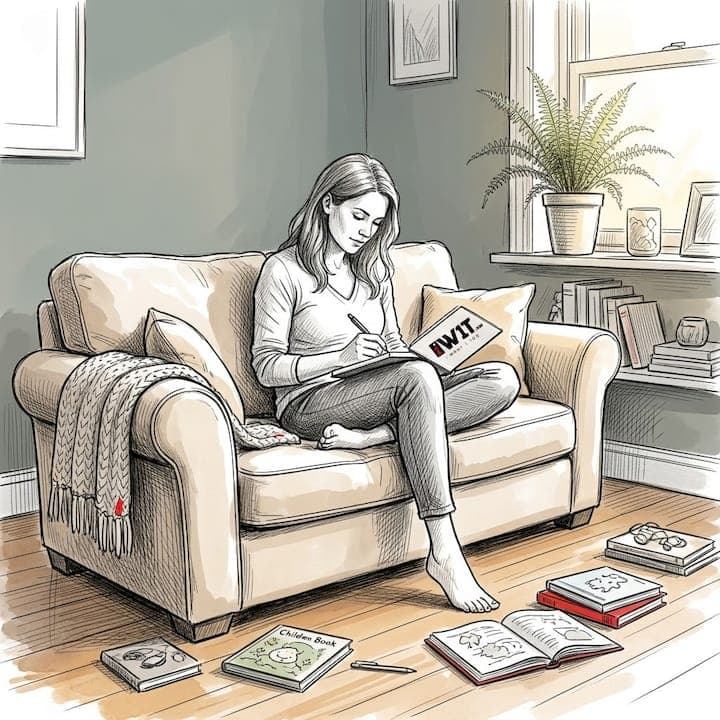
Most people searching for lifestyle inspiration ideas end up drowning in aspirational images that look beautiful but offer nothing you can actually use. Real inspiration is not a mood board. It is a practical shift in how you approach your environment, your habits, and your relationship with daily routines. The ideas below are grounded in research on habit formation, biophilic design, and creative psychology. Whether you want to refresh your home, build better daily rituals, or simply feel more energised by your surroundings, this curated listicle gives you a starting point that connects to who you actually are.
Table of Contents
- Key takeaways
- 1. What lifestyle inspiration actually means
- 2. Build a foundation with small, consistent habits
- 3. Bring natural elements into your home
- 4. Redesign your workspace or study area
- 5. Build creative rituals into your daily routine
- 6. Use seasonal home refreshes to sustain inspiration
- 7. Align your environment with your personal energy rhythms
- 8. Overcome the common obstacles to lasting lifestyle change
- My perspective on finding genuine lifestyle inspiration
- Discover curated products to support your lifestyle
- FAQ
Key takeaways
| Point | Details |
|---|---|
| Anchor inspiration to values | Lifestyle changes stick when they reflect your personal values, not someone else's aesthetic. |
| Small habits build momentum | Healthy habits take 59 to 66 days to form, but you can feel benefits within a week of one small change. |
| Biophilic design works measurably | Natural elements in your home can reduce cortisol by up to 42%, directly improving mood and focus. |
| Edit before you add | Removing clutter before introducing new decor amplifies the impact of any refresh. |
| Consistency beats willpower | Reliable context cues and environmental design outperform motivation alone in sustaining lifestyle changes. |
1. What lifestyle inspiration actually means
Before picking up a paintbrush or buying a new plant, it helps to understand what you are actually chasing. Lifestyle inspiration is not passive admiration. It is a mental picture of possibility that moves you from observation to action. The difference between scrolling Pinterest for an hour and genuinely changing how you live comes down to whether what you see connects to your own values and circumstances.
Ask yourself what you actually want your daily life to feel like, not what looks good in a photograph. Do you want more calm? More creative energy? A home that feels restorative after work? Your answers are the filter through which every idea below should pass.
Pro Tip: Write three words that describe how you want your home and daily life to feel. Every change you make should serve at least one of those words.
2. Build a foundation with small, consistent habits
The science on habit formation is clear and often ignored. Habits form over a median of 59 to 66 days, which means most people quit before the behaviour becomes automatic. What the research also shows is that you can begin feeling the difference within seven days of one small, consistent change. That is the real opportunity.
The most effective approach is to start with a version of the habit so small it feels almost trivial. Two-minute habit versions practiced for seven days build genuine momentum without triggering the resistance that derails most good intentions. Making your bed every morning, opening your blinds at the same time, or placing a glass of water on your desk before you sit down: these micro-actions create context cues that signal the behaviours you want to follow.
- Start with one habit rather than overhauling your entire routine at once.
- Attach new habits to existing ones. If you already make coffee each morning, that is your anchor.
- Track your streak visually. A simple tick on a wall calendar is surprisingly effective.
- Give yourself a two-week grace period before assessing whether something is working.
Pro Tip: Pick the one habit that, if you did it consistently, would make all your other goals easier. Start only there.
3. Bring natural elements into your home
Biophilic design is one of the most evidence-backed lifestyle change strategies available, and it requires no major renovation. Homes incorporating natural elements reduce cortisol levels by 18% to 42%, with measurable improvements in mood and focus. Indoor plants in particular reduce stress markers by 60% and improve overall wellbeing scores by 15%.
You do not need to turn your flat into a jungle. The principle is to introduce materials and textures that your senses recognise as natural: wood, stone, linen, terracotta, and living plants. Even one well-placed plant on a shelf, or a wooden cutting board left out as a display item, shifts the sensory quality of a room. Read more about how decor shapes wellbeing to understand why these shifts affect you at a physiological level.
- Easy-care plants to start with: pothos, snake plants, and ZZ plants thrive on neglect and look considered in any interior.
- Natural materials to layer in: jute rugs, linen cushion covers, ceramic or stoneware vessels, unfinished wood frames.
- Fresh stems in a simple vase cost little but add life and scent to any room immediately.
- Maximise light by keeping windowsills clear and using sheer curtains rather than heavy blackout fabric during daytime.
Pro Tip: Choose one plant variety and learn everything about its care before adding more. Confidence with one will encourage the rest.
4. Redesign your workspace or study area
Your environment does not just reflect your life. It actively shapes your concentration, creativity, and sense of self. Personalised study and workspace design that balances function with aesthetics genuinely increases productivity and motivation. This is not about buying expensive furniture. It is about intentional curation.
Here is a practical sequence for redesigning a workspace without spending a great deal:
- Clear the surface completely. Start from zero and only return items you use every day.
- Add one object that has personal meaning. A photograph, a book you love, a small ceramic piece. This signals to your brain that this space belongs to you.
- Sort your lighting. Natural light reduces headaches and eye strain by 84% compared to artificial alternatives. If natural light is limited, choose a warm-toned LED bulb at desk level rather than an overhead fluorescent.
- Introduce a plant or natural texture. Even a small succulent on the corner of a desk shifts the sensory quality of the space.
- Manage your cables and clutter. Visual noise competes with focus. A simple cable box or drawer insert removes the distraction.
- Add a scent anchor. A candle, a diffuser, or a linen spray used only when you sit down to work trains your brain to associate that scent with focus.
5. Build creative rituals into your daily routine
Creativity thrives as a process rooted in curiosity and a growth mindset, not in waiting for inspiration to arrive. Creative performance correlates with self-efficacy and intrinsic motivation far more than with raw talent or dramatic lifestyle overhauls. That means the daily rituals you build matter enormously.
A journaling practice does not need to be lengthy. Three sentences written in the morning about what you want from the day, and three written in the evening about what actually happened, creates a feedback loop that most people underestimate. Over time, this builds self-awareness and a clearer sense of what genuinely inspires you rather than what you think should inspire you.
Movement also belongs in your creative routine. A ten-minute walk without your phone, taken at a consistent time each day, reliably generates new ideas and reduces mental fatigue. The rhythm of walking has a measurable effect on divergent thinking, the kind of thinking that produces original ideas.

6. Use seasonal home refreshes to sustain inspiration
One of the best-kept creative lifestyle tips is that you do not need to redecorate to feel renewed. You need to edit. Removing winter clutter before adding anything new has more impact on how a space feels than buying new pieces ever will. The eye needs space to rest before it can appreciate what is there.
Here is a seasonal refresh strategy that costs very little but changes everything:
| Season | What to remove | What to add |
|---|---|---|
| Spring | Heavy throws, dark cushions, winter candles | Fresh stems, linen covers, lighter scents |
| Summer | Layered rugs, extra blankets, dark artwork | Natural textures, coastal tones, open shelving display |
| Autumn | Light sheers, pale accessories, summery plants | Warm textiles, earth tones, amber lighting |
| Winter | Clutter from surfaces, faded cushions | Candles, soft layering, seasonal foliage |
Swapping textiles and rearranging a single shelf can shift the entire atmosphere of a room. Paint used on one wall rather than four delivers high impact for low investment. Stylish décor ideas for UK living spaces can help if you need guidance on which directions suit your existing colour scheme.
7. Align your environment with your personal energy rhythms
Not all hours are equal. Most people have a two to three hour window of peak cognitive energy each day, typically in the morning for early risers and mid-morning for others. Knowing yours and designing your environment to support that time is one of the most underused personal growth concepts available.
This means organising your space so that your most demanding tasks, creative work, or highest-priority habits are set up and ready during your peak window. Keep your journal on your desk, not in a drawer. Have your workout kit visible the night before. Remove the friction between intention and action.
Dedicated wellness or reflection corners are worth creating even in small homes. A single armchair by a window with a lamp, a small plant, and a book you want to read signals a clear behavioural cue. When you sit there, your brain learns what to expect.
- Identify your peak energy time through three days of honest observation.
- Schedule your most important habit or creative work within that window.
- Use visual cues (a specific mug, a candle, a particular notebook) to signal different modes of activity throughout the day.
- Protect your peak hours from reactive tasks like emails and social media.
8. Overcome the common obstacles to lasting lifestyle change
The biggest misconception about lifestyle change strategies is that motivation needs to be high before you begin. It does not. Motivation typically follows action, not the other way around. Habit formation depends on consistent context rather than willpower, which means the environment you design matters more than how inspired you feel on any given morning.
The second obstacle is comparison. Social media presents a curated version of other people's lifestyles, which makes genuine personal change feel inadequate by comparison. Authentic lifestyle inspiration, as research consistently shows, comes from understanding your own values and building a mental picture of what a better version of your own life looks like, not someone else's.
Give yourself permission to experiment without the pressure of perfection. Try one thing for two weeks. If it does not serve you, drop it without guilt and try something else. That cycle of experimentation and honest reflection is what how to live inspired actually looks like in practice.
My perspective on finding genuine lifestyle inspiration
I've worked with enough lifestyle content to know that the people who actually change their lives are not the ones who collect the most ideas. They are the ones who pick one thing and do it consistently until it becomes part of who they are.
In my experience, the biggest mistake is trying to overhaul everything at once. I've seen it repeatedly: someone redesigns their morning routine, starts a new fitness habit, redecorates two rooms, and begins journaling, all in the same week. Three weeks later, nothing has stuck and they feel worse than before.
What I've found actually works is choosing one small environmental change and one small habit change, and holding those for thirty days before adding anything else. The early wins matter enormously. They tell you that change is possible, which is the fuel that sustains everything else.
My honest take is this: the most inspiring spaces and routines are not the most elaborate ones. They are the most intentional. A shelf with three meaningful objects you genuinely love will motivate you more than an Instagram-perfect shelfie you recreated without thinking. Own your personal narrative. Build a life that looks like you.
— Scott
Discover curated products to support your lifestyle
Whether you are refreshing a room, building a new daily ritual, or investing in your wellbeing, having the right products to hand makes a real difference to follow-through. Iw1t is a family-run UK online store that curates quality, practical products across home, wellness, and lifestyle categories, chosen specifically to support the kind of intentional living this article describes.

From home accessories and décor pieces to wellness tools and personal care items, everything at Iw1t is selected with comfort, function, and style in mind. Deliveries arrive in discreet packaging, and the range is updated regularly to stay relevant to how people actually live. If you are ready to put any of these ideas into practice, browse Iw1t's curated selection and find the pieces that fit your lifestyle, not someone else's.
FAQ
What is lifestyle inspiration and why does it matter?
Lifestyle inspiration is the process of forming a personal vision of how you want to live and using that vision to guide meaningful change. It matters because changes rooted in personal values are far more sustainable than those based on trends.
How long does it take to build new lifestyle habits?
Habits take a median of 59 to 66 days to form fully, though many people notice positive differences within the first seven days of a small, consistent change.
What are the easiest daily inspiration ideas to start with?
The simplest daily inspiration ideas include opening your blinds at a consistent time, placing one plant in your most-used room, and writing three sentences in a journal each morning. Small, repeated actions build more momentum than occasional grand gestures.
How does biophilic design support a wellness lifestyle?
Biophilic design incorporates natural materials, plants, and light into your home to reduce stress and improve focus. Research shows it can lower cortisol by up to 42%, making your environment actively supportive of your wellbeing goals.
Can lifestyle change strategies work without a big budget?
Yes. The most impactful lifestyle changes, editing your space, adjusting your lighting, building a morning ritual, and adding one plant, cost very little. Intentionality produces more lasting results than expenditure.