

Buying personal care items online is the practice of purchasing health, wellness, and grooming products through e-commerce platforms rather than visiting a physical shop. The core appeal is straightforward: you get 24/7 access to a broader product range, complete privacy, and the ability to research ingredients and compare prices without leaving your home. Retailers like Amazon, Boots, and specialist stores such as Iw1t have made buying personal care online faster and more discreet than ever. Whether you are managing a daily skincare routine, sourcing wellness supplements, or purchasing sensitive personal items, online shopping removes the friction that physical retail cannot.
Why buy personal care items online: the core benefits
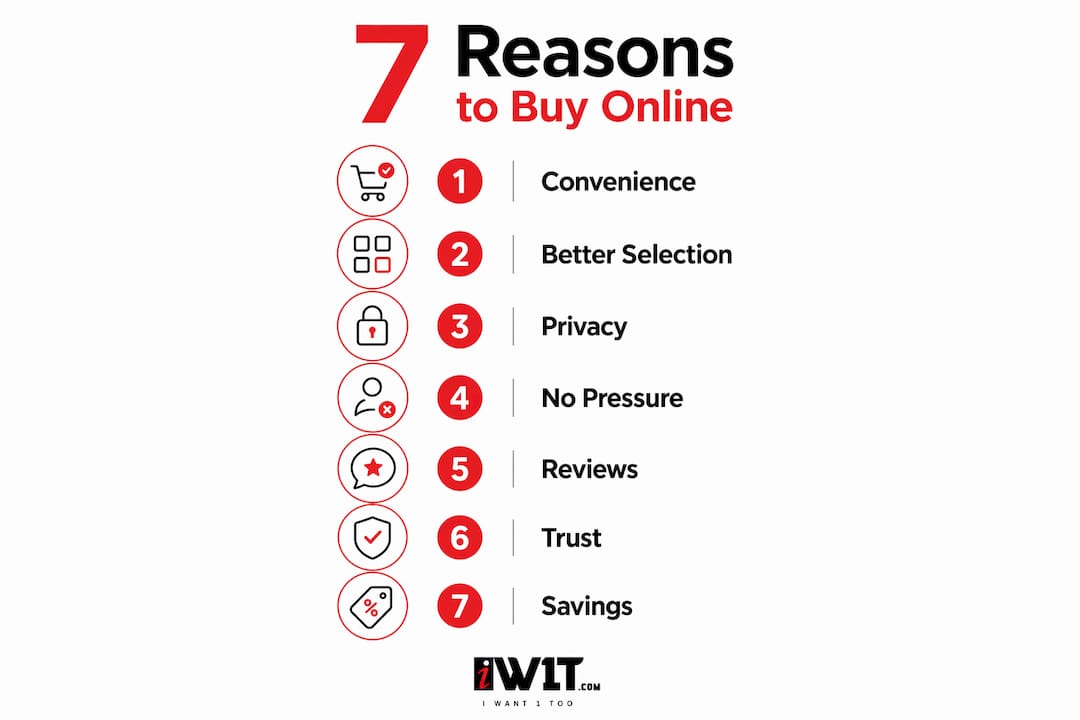
The primary reason people choose to shop for personal care products online is convenience. 24/7 access and no travel means you can place an order at midnight in your pyjamas and have it arrive at your door within days. No queues, no parking, no rushed decisions under fluorescent lighting.
Beyond convenience, the selection available online far exceeds what any physical shop can stock. Physical retailers are constrained by shelf space and regional distribution deals. Online stores carry wider product ranges including niche brands, specialist formulations, and international products that simply do not appear on high street shelves. If you need a fragrance-free moisturiser with a specific SPF rating, or a shampoo formulated for a particular hair type, online search finds it in seconds.

Privacy is the third major driver, and it is more significant than most people admit openly. Purchasing sensitive personal care items, whether that is incontinence products, intimate hygiene items, or treatments for skin conditions, can feel uncomfortable in a physical shop. Online buying enhances privacy and dignity by removing the need for face-to-face interaction entirely. You choose what you buy, when you buy it, and nobody else needs to know.
The fourth benefit is the absence of sales pressure. In a physical shop, a sales assistant's presence can push you towards a purchase you are not ready to make. Online shopping eliminates that pressure, giving you a calmer environment to weigh your options. This matters especially for personal care, where the right product depends on individual skin type, health needs, or personal preference rather than a salesperson's commission target.
Pro Tip: Before adding a personal care product to your basket, filter reviews by your skin type or specific concern. Most major platforms allow this, and it cuts through generic five-star ratings to find genuinely relevant feedback.
How does online shopping build trust for personal care decisions?
Trust is the currency of personal care e-commerce, and the best online retailers earn it through information rather than marketing. Detailed ingredient lists, usage guidance, and FAQs available on product pages give shoppers answers that a physical shelf label never could. You can read the full INCI ingredient list, watch an application tutorial, and check whether a product is suitable for sensitive skin, all before committing to a purchase.
Specialist online retailers go further by curating products around specific needs. A store focused on wellness and lifestyle enhancement will group products by skin concern, hair type, or wellness goal, reducing the cognitive load of searching. This curation is a form of trust signal: it tells you the retailer understands your needs rather than simply listing every product available.
Subscription and repeat-order models also build loyalty in a way that physical retail struggles to match. Subscriptions and recurrent deliveries reduce the mental effort of managing personal care routines and eliminate the risk of running out of a product you rely on. Once you find a moisturiser or supplement that works, a subscription locks in the price and removes the need to reorder manually each month.
Operational quality matters too. Reliable shipping and easy returns reduce the perceived risk of buying a product you cannot physically test. Clear delivery windows and damage-resistant packaging signal that a retailer takes your purchase seriously. Research from PDQ Checkout Benchmarks confirms that checkout trust and transparency are the primary drivers of conversion in health and wellness e-commerce, more so than discounts or traffic volume.
Pro Tip: Always check a retailer's returns policy before purchasing a new personal care product. A straightforward, no-quibble return process is one of the clearest indicators that a seller stands behind what they sell.
| Trust factor | What to look for |
|---|---|
| Ingredient transparency | Full INCI list visible on the product page, not just marketing claims |
| Customer reviews | Verified purchase reviews with photos or detailed descriptions |
| Delivery clarity | Stated delivery windows and tracked shipping as standard |
| Returns policy | Clear, easy process for returns or exchanges without excessive conditions |
| Seller credibility | Established brand presence, contact details, and visible customer service |
Online vs in-store: which is better for personal care?
The honest answer is that both have genuine strengths, and the best choice depends on what you are buying and why. Understanding the differences helps you make smarter decisions rather than defaulting to habit.
Where physical shops win:
- Immediate access: you leave with the product in hand, which matters for urgent needs
- Tactile experience: you can test textures, smell fragrances, and assess packaging quality
- Instant returns: if something is wrong, you resolve it on the spot
- Personal advice: a knowledgeable shop assistant can be genuinely useful for complex skin concerns
Where online shopping wins:
- Broader range: no shelf-space limits mean access to thousands more products
- Better information: full ingredient lists, video tutorials, and verified customer reviews
- Price comparison: comparing products and costs across multiple vendors takes seconds
- Privacy: no social interaction required for sensitive purchases
- Transparent pricing removes the discomfort of asking about cost in person
- Flexible browsing: e-commerce excels for thorough research before committing
The practical reality is that most personal care purchases do not require a tactile test. Shampoo, body wash, supplements, dental care, and intimate hygiene products are all repeat purchases where you already know what you want. For these, online shopping is objectively more efficient. The in-store advantage applies most strongly to first-time fragrance purchases or colour-matched cosmetics, where physical testing genuinely changes the outcome.
Return policies online have also improved significantly. Most reputable UK retailers now offer free returns on personal care items that are unopened and unused, which removes the main practical objection to buying online.
How to get the most from buying personal care products online
Getting the benefits of online personal care shopping consistently requires a small amount of upfront effort. These steps make the difference between a frustrating experience and a genuinely convenient one.
-
Verify the seller's credibility. Check for a physical address, clear contact details, and a visible returns policy. Read recent reviews on independent platforms rather than relying solely on on-site testimonials. Established UK retailers and family-run stores with a clear brand identity are lower risk than anonymous marketplace sellers.
-
Read ingredient lists, not just marketing copy. A product labelled "natural" or "gentle" means nothing without checking the actual formulation. Use resources like the Environmental Working Group's Skin Deep database or INCI decoder tools to understand what you are applying to your skin.
-
Clarify shipping costs before checkout. Unexpected delivery fees are the single most common reason shoppers abandon personal care purchases online. Confirm total costs including postage before you reach the payment page. Many UK retailers offer free delivery above a minimum spend threshold.
-
Use subscriptions for habitual products. If you use the same cleanser, moisturiser, or supplement every month, a subscription saves both money and mental effort. Most subscription models offer a 10 to 15 per cent discount and allow you to pause or cancel without penalty.
-
Check payment security. Look for HTTPS in the URL and recognised payment options such as PayPal, Klarna, or major card providers. Reputable retailers also comply with relevant data protection standards, which matters when you are sharing personal health-related purchasing data.
-
Bookmark your go-to stores. Once you find a retailer whose curation, delivery, and customer service meet your standards, save them. Consistency reduces the research burden for future purchases and builds a purchasing history that makes returns and queries easier to resolve.
Key takeaways
Buying personal care items online delivers the greatest value when you choose credible retailers, use subscriptions for routine products, and prioritise ingredient transparency over marketing claims.
| Point | Details |
|---|---|
| Convenience is the primary driver | 24/7 access and no travel saves time and removes friction for routine purchases. |
| Privacy changes purchasing behaviour | Sensitive personal care items are easier to buy without social discomfort online. |
| Information builds better decisions | Full ingredient lists, reviews, and FAQs online outperform physical shelf labels. |
| Operational quality signals trust | Clear delivery windows and easy returns reduce the risk of buying untested products. |
| Subscriptions reduce effort | Repeat-order models lock in price and eliminate the risk of running out of essentials. |
What I have learned from years of shopping for personal care online
I will be direct: the biggest shift I noticed was not about price or range. It was about confidence. When I started buying personal care products online regularly, I stopped making impulse purchases driven by a persuasive shop assistant or attractive packaging. I started reading ingredient lists. I started comparing. I made better choices.
The privacy angle is real and underappreciated. There are products I buy online that I would find genuinely uncomfortable purchasing in a physical shop, not because of shame, but because the social performance of standing at a till with certain items is unnecessary friction. Removing that friction is not trivial. It changes what people are willing to try, which in turn changes how they care for themselves.
The one thing I would caution against is treating all online retailers as equivalent. The difference between a well-curated store with clear ingredient information and a generic marketplace listing is enormous. I have found that home comfort and wellbeing are genuinely supported by the right personal care products, but only when you can trust what you are buying. That trust comes from the retailer's transparency, not from the platform they sell on.
Subscription models changed my routine maintenance entirely. I no longer think about reordering my daily essentials. They arrive, I use them, they arrive again. That reduction in cognitive load is a genuine quality-of-life improvement that physical retail simply cannot replicate.
— Scott
Shop personal care with confidence at Iw1t
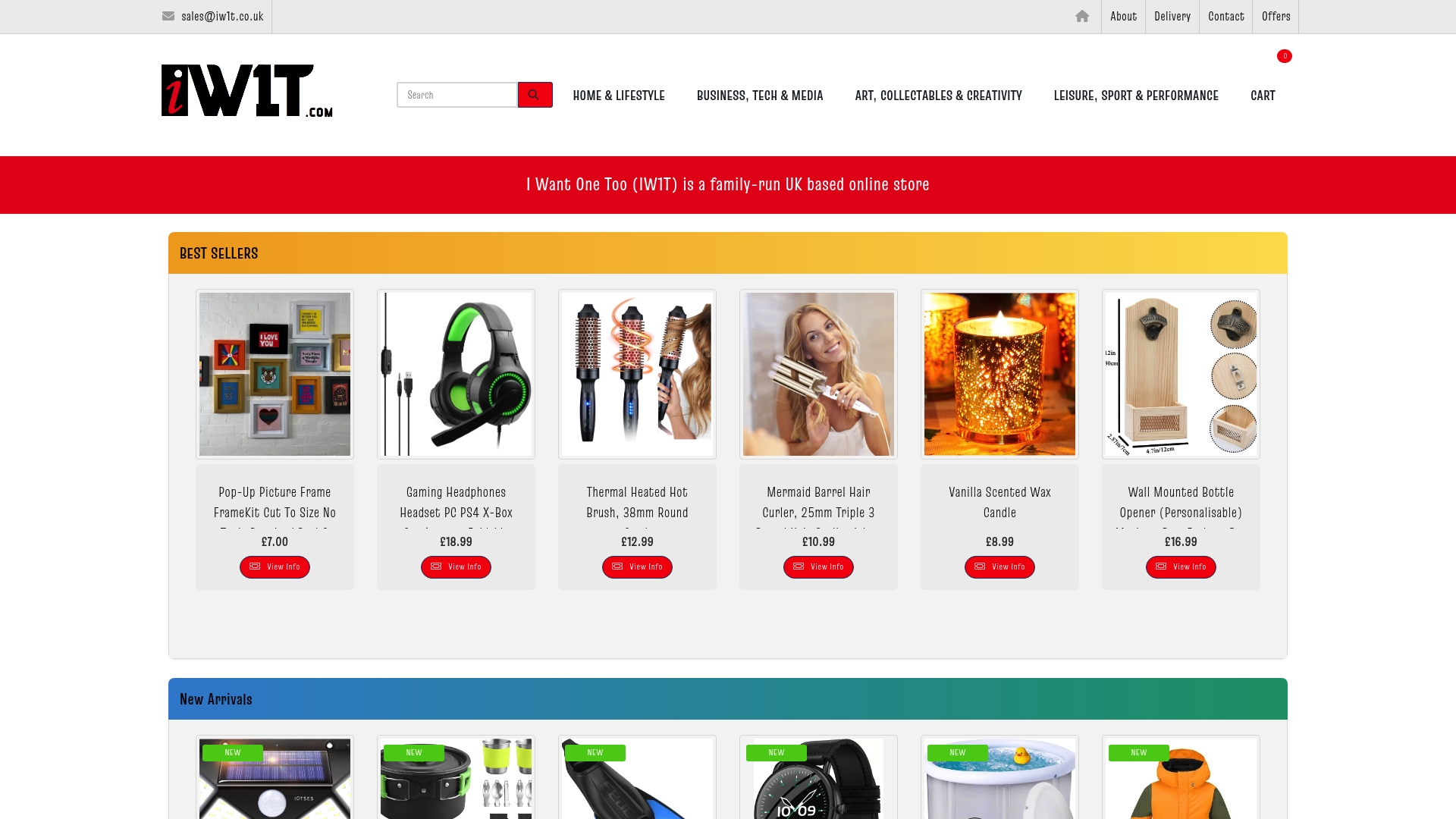
Iw1t is a UK-based, family-run online store offering a carefully curated range of personal care, wellness, and lifestyle products, all delivered in discreet, unobtrusive packaging. Every product in the range is selected for quality, practicality, and genuine usefulness rather than trend-chasing. The ordering process is straightforward, delivery is tracked, and the team prioritises customer satisfaction at every step. If you are looking for a trustworthy destination for personal care essentials, wellness accessories, and everyday lifestyle products, visit Iw1t and browse a range built around your comfort and privacy.
FAQ
Why do people prefer buying personal care items online?
The main reasons are convenience, privacy, and access to better product information. Online shopping provides 24/7 access and removes the social discomfort of purchasing sensitive items in person.
Is it safe to buy personal care products from online stores?
Yes, provided you choose reputable retailers with clear contact details, verified reviews, and secure payment options. Look for HTTPS in the URL and a transparent returns policy before purchasing.
How do I know if an online personal care product is right for my skin?
Read the full ingredient list on the product page and cross-reference it with your known sensitivities. Verified customer reviews filtered by skin type are a reliable secondary source of guidance.
Are online personal care prices better than in-store?
Online platforms allow you to compare prices across vendors instantly, and subscription models typically offer 10 to 15 per cent savings on repeat purchases. Physical shops rarely match this level of price transparency.
What should I check before buying personal care items online for the first time?
Verify the seller's credibility, confirm total costs including delivery before checkout, and read the returns policy. Clear shipping information and a straightforward return process are the two strongest indicators of a trustworthy retailer.