
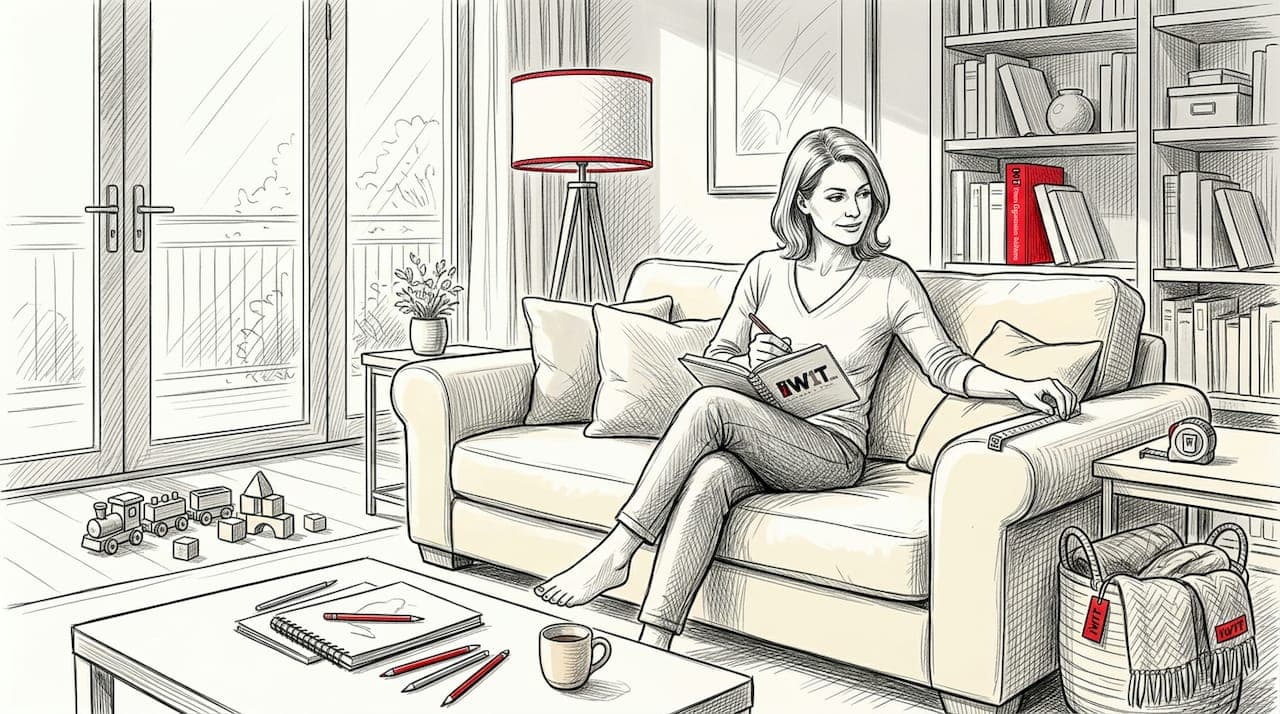
Your living space should work for you, not against you. Whether you rent a flat or own a house, knowing how to upgrade your living space without spending a fortune is one of the most satisfying skills you can develop. Most rooms feel tired not because they are beyond saving, but because they have grown stale through habit. A few deliberate changes to layout, light, colour, and clutter can transform how a room looks and, more importantly, how it feels to be in it. This guide walks you through every step.
Table of Contents
- Key takeaways
- How to upgrade your living space: start with an honest assessment
- Rearrange, declutter, and create a focal point
- Colour, texture, lighting, and accessories
- Maximising small and rented spaces
- Budgeting for maximum impact
- My honest take on upgrading a living space
- Find the right pieces at Iw1t
- FAQ
Key takeaways
| Point | Details |
|---|---|
| Assess before you buy | Identify what is actually wrong with your space before spending a penny on new items. |
| Rearrange first, replace second | Better placement and balance refresh a room more effectively than buying new things. |
| Paint delivers the best return | A fresh coat of paint is one of the highest-impact, lowest-cost changes you can make to any room. |
| Invest in anchor pieces | Spend your budget on two or three quality furniture pieces rather than spreading it thinly across many cheap items. |
| Renters have plenty of options | Temporary, non-damaging upgrades like mirrors, lighting, and removable wallpaper work brilliantly without breaking tenancy agreements. |
How to upgrade your living space: start with an honest assessment
Before you move a single cushion or click "add to basket", stop and look at the room properly. Most people skip this step and end up buying things they do not need, or worse, things that make the problem harder to diagnose later.
Walk into the room as if you are seeing it for the first time. Ask yourself what catches your eye first and whether it is something you actually want to look at. Notice where the natural light falls and which corners feel perpetually dark. Consider whether the furniture arrangement invites conversation or blocks it. Think about whether the room serves the way you actually live in it now, not how you lived three years ago.
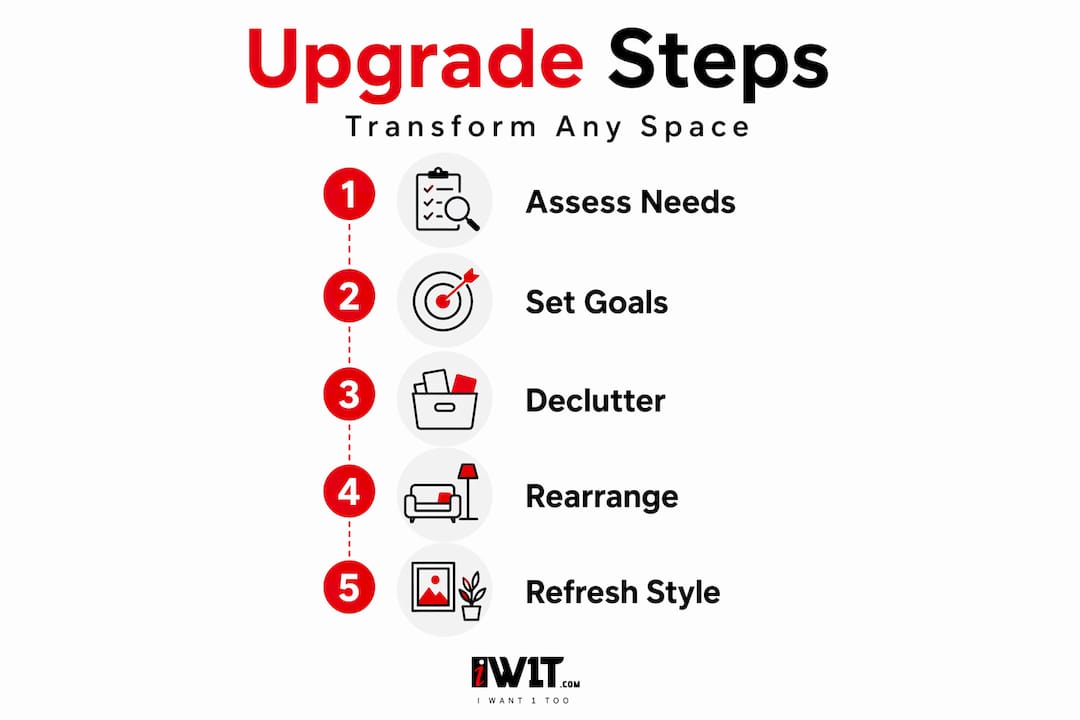
Here is a simple framework to guide your assessment:
- Clutter audit: Identify anything that has no clear function or home in the room
- Light check: Note which areas feel dim and whether window treatments are blocking daylight unnecessarily
- Flow test: Walk the main paths through the room. Are they obstructed?
- Focal point: Identify what the room is currently "pointing at." If there is no answer, that is the problem
- Colour and style coherence: Do the pieces in the room feel like they belong together, even loosely?
Once you have a clear picture, write down your goals. Are you after more comfort, better style, improved functionality, or all three? Setting this intention stops you from making random purchases that do not add up to anything.
Pro Tip: Accurate measurements are non-negotiable before buying any furniture or fittings. A tape measure takes thirty seconds to use and saves you from returning items that simply do not fit.
| Area to assess | What to look for | Priority |
|---|---|---|
| Natural light | Blocked windows, dark corners | High |
| Furniture placement | Poor flow, walls hugging | High |
| Clutter | Surfaces overloaded, items without purpose | Medium |
| Colour palette | Clashing tones, dated finishes | Medium |
| Storage | Visible mess from lack of storage | Low to medium |
Rearrange, declutter, and create a focal point
Here is the truth about ways to enhance interiors that most decorating content glosses over: the biggest improvements are usually free. Rearranging furniture, removing clutter, and establishing a clear focal point cost nothing and regularly produce dramatic results.
Follow this sequence rather than tackling everything at once:
- Remove everything non-essential from the room. Temporarily clear surfaces, shelves, and floor space so you can see the bones of the room. You will make better decisions from a clean slate.
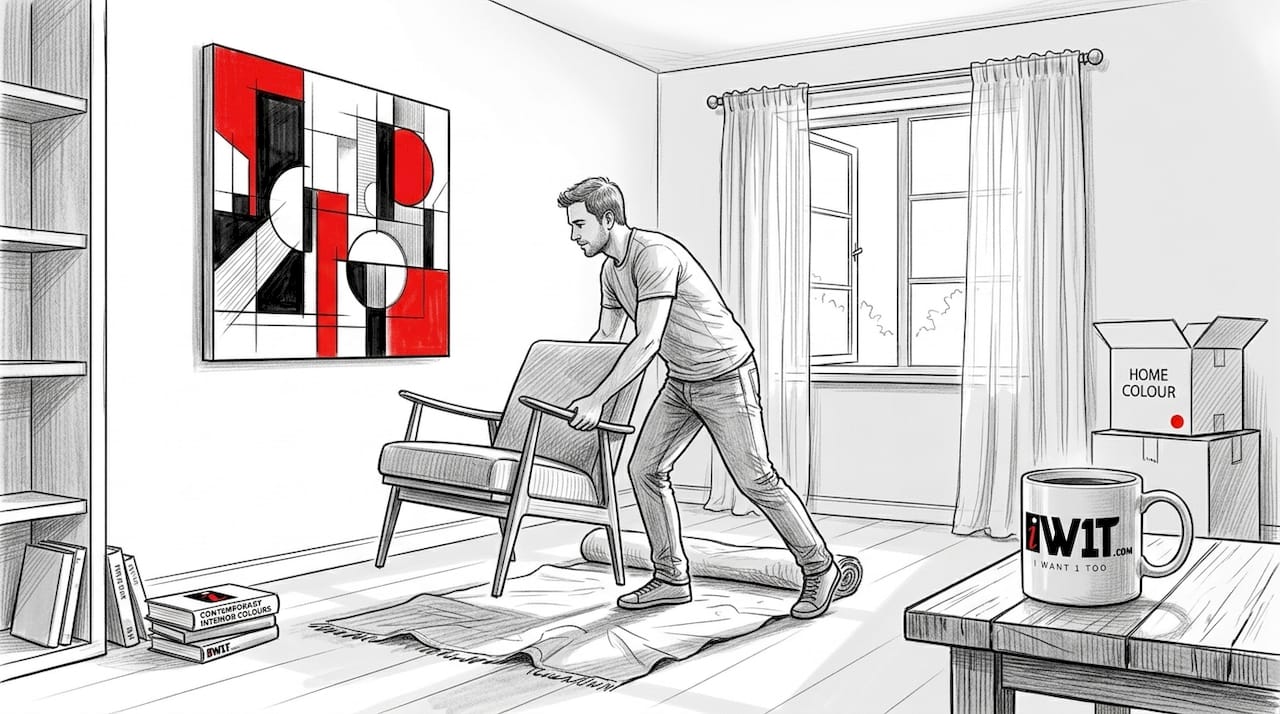
- Pull furniture away from the walls. Furniture pulled from walls and grouped into conversation arrangements makes rooms feel larger and far more intentional. This is one of the most counterintuitive but effective tricks in interior design.
- Identify or create your focal point. Every well-designed room has one. It might be a fireplace, a large window, a piece of artwork, or even a statement sofa. Arrange everything else to support and frame it.
- Only bring items back that earn their place. For each item you return to the room, ask whether it adds visual interest, function, or warmth. If the answer is no to all three, leave it out.
- Shop your home before shopping online. Walk through other rooms and look for pieces that might work better in the space you are upgrading. A lamp from the hallway, a rug from the bedroom, or a plant from the kitchen can change a room for nothing.
Clearing clutter and rearranging furniture with a clear focal point in mind is consistently cited as the most impactful starting point for refreshing any tired room. The sequence matters. Do not buy anything until you have done this first.
Pro Tip: When rearranging, photograph the room from the doorway before and after each change. The camera flattens space and reveals imbalances your eye normalises when you are standing in the room.
Colour, texture, lighting, and accessories
Once the layout and clutter are sorted, you are ready to look at what to change in your home from a style and atmosphere perspective. This is where budget living room upgrades can make the most dramatic visual difference.
Paint and colour
A fresh coat of paint is consistently the highest return-on-investment change in any room. It shifts the largest visual surface and can completely alter a room's character. Materials for an average room cost as little as £50 to £100, and a single accent wall can be done for even less. If you are nervous about committing to a full repaint, an accent wall behind a sofa or bed is a low-risk way to introduce bold colour.
Lighting
Most British homes are chronically under-lit, relying on a single ceiling fixture that flattens everything it touches. Swapping an outdated ceiling fitting for a statement pendant or semi-flush mount costs between £50 and £130 and genuinely changes how a room feels after dark. Layer your lighting with floor lamps, table lamps, and under-shelf strips to create warmth and depth. Warm-toned bulbs (around 2700K) make a room feel inviting in a way that cool white light never does.
Textiles and accessories
This is where improve home decor advice often gets generic, so here is a more specific take. The most effective textiles are not the most decorative ones. They are the ones that add contrast in texture. A chunky knit throw on a smooth leather sofa, a jute rug on timber flooring, or velvet cushions on a linen sofa. Contrast is what your eye reads as "interesting."
- Use rugs to define zones and ground furniture groupings
- Layer two or three cushion sizes on a sofa rather than a matching set
- Add at least one living plant per room for colour and life that no accessory can replicate
- Mix furniture styles rather than buying matching sets. Designers consistently recommend combining periods and styles for a curated, current look
Planning with a cohesive design intention leads to three times higher satisfaction than making piecemeal updates. Decide on your room's overall mood before you buy anything in this category.
Maximising small and rented spaces
Renovating small spaces and working within rental restrictions calls for a different toolkit. The good news is that the constraints often push you towards smarter, more considered decisions. The best small home renovations prioritise functionality, light, ventilation, and storage rather than simply trying to create more floor area.
| Challenge | Renter-friendly solution | Homeowner option |
|---|---|---|
| Dark room | Sheer curtains, mirrors opposite windows | Larger windows, skylights |
| Limited storage | Ottomans, under-bed boxes, wall hooks | Built-in shelving, fitted wardrobes |
| Small living area | Multifunctional furniture, vertical shelving | Knock through walls, loft conversion |
| Dated walls | Removable wallpaper, large artwork | Full repaint or retile |
| Poor lighting | Floor and table lamps, LED strip lights | Rewire for multiple circuits |
Here are the most effective non-permanent upgrades for anyone renting:
- Mirrors: A large mirror opposite a window doubles the perceived light in a room. It is one of the most impactful changes you can make without touching a wall
- Freestanding shelving: Adds storage and display space without a single screw in the wall
- Multifunctional furniture: A storage ottoman, a sofa bed, or a dining table that folds away transforms how a small room functions across the day
- Removable wallpaper: Modern peel-and-stick options are convincing and completely reversible
- Curtains hung high: Fixing curtain poles close to the ceiling (using Command strips if drilling is restricted) makes windows look taller and rooms feel larger
Improvements that enhance functionality and natural light have far higher impact in smaller homes than cosmetic changes alone. Always prioritise these first.
Budgeting for maximum impact
Knowing how to budget for home upgrades is where most people make expensive mistakes. The most common one is buying accent pieces before you have sorted the anchor furniture. Anchor with your largest pieces first, then layer accessories around them. Doing it the other way around leads to mismatched rooms and wasted money.
| Upgrade type | Approximate cost | Impact level |
|---|---|---|
| Fresh paint (full room) | £50 to £100 materials | Very high |
| New lighting fixture | £50 to £130 | High |
| Rug | £40 to £200 | High |
| Throw pillows and textiles | £20 to £80 | Medium to high |
| Anchor sofa or armchair | £300 to £800+ | Very high (long term) |
| Plants and accessories | £10 to £50 | Medium |
Spending on two or three excellent anchor pieces yields better results than spreading your budget thinly across many mediocre items. A good sofa bought once beats three cheap sofas bought over a decade. Save on accessories and spend where it counts.
Pro Tip: If you are in the UK, check whether new windows or doors qualify for the ENERGY STAR tax credit scheme relevant in your region. Energy-efficient upgrades sometimes carry financial incentives that offset upfront costs.
If you are working with a genuinely tight budget, the priority order is: paint, lighting, rug, and then textiles. These four categories give you the most visual return per pound spent and can transform a room entirely before you touch the furniture.
My honest take on upgrading a living space
I have worked with enough rooms and budgets over the years to say this with confidence: the biggest obstacle to a better living space is almost never money. It is patience.
I see it constantly. Someone gets the urge to refresh their home, buys a basket of accessories from the first shop they find, and ends up with a room that looks busier but feels no better. The problem was not solved because it was never properly diagnosed. The room needed editing, not more stuff.
What I have learned is that restraint is a design skill. A room with five things removed almost always looks better than the same room with five things added. Start by taking away. Then layer back in slowly, only adding what genuinely improves the whole.
The other thing worth saying is that mixing function with style is where lasting satisfaction lives. A beautifully styled room that does not support how you actually live in it will frustrate you within weeks. Your sofa needs to be comfortable, not just photogenic. Your storage needs to actually hold your things, not just look tidy.
The rooms I have seen people love the most are not the most decorated ones. They are the ones that feel considered. Every element has a reason to be there, and nothing is fighting for your attention unnecessarily. That is the standard worth aiming for.
— Scott
Find the right pieces at Iw1t

Once you have a clear vision for your space, having the right products to bring it to life makes all the difference. Iw1t is a UK-based, family-run store that takes the guesswork out of finding practical home décor pieces that actually deliver. From statement lighting and stylish accessories through to smart storage and DIY tools, everything is selected with comfort, style, and real-life living in mind. Whether you are working with a tight budget or ready to invest in a few quality anchor pieces, the curated range at Iw1t is worth exploring. Discover home décor for stylish UK living that complements the upgrades you are already planning.
FAQ
What is the easiest way to upgrade a living room on a budget?
Paint, lighting, and a new rug are the three highest-impact, lowest-cost changes you can make. Together they can transform a room for well under £250.
Can renters upgrade their living space without losing their deposit?
Yes. Removable wallpaper, freestanding shelving, floor lamps, mirrors, and multifunctional furniture all improve a rented space without permanent changes or damage.
Should I rearrange furniture before buying anything new?
Always. Rearranging furniture and removing clutter costs nothing and frequently solves the problem entirely, saving you from buying items you do not need.
How do I make a small room feel larger without knocking down walls?
Hang curtains close to the ceiling, place a large mirror opposite a window, use light paint colours, and choose furniture with legs rather than floor-hugging pieces. These techniques visually expand any room.
What should I spend most of my budget on when upgrading interiors?
Invest in one or two quality anchor pieces such as a sofa or dining table, then spend modestly on paint, lighting, and textiles. Spreading budget thinly across many cheap items rarely produces a satisfying result.